
Tucker, GA Professional Lice Removal
Professional Head Lice Removal in Tucker, GA: Safe and Effective Mobile Treatment

Professional mobile head lice removal brings trained technicians into your home to remove live lice and nits using non-chemical, manual methods that prioritize safety and privacy. This article explains how professional in-home lice treatment works, why families in Tucker choose mobile services, the standard six-step removal workflow, signs to watch for, and typical pricing and appointment details. Parents reading this will learn how manual comb-out plus pesticide-free supportive products reduce lice and resistant nits, what to expect during a mobile visit, and practical prevention steps to limit outbreaks at school. The guide also compares service components, lists common symptoms, and provides clear checklists families can use during an active infestation. Throughout, keywords like lice removal Tucker, mobile lice Tucker, safe lice removal Tucker, and Tucker lice treatment are woven into actionable advice so you can quickly decide whether a professional in-home approach fits your family’s needs. Recent practice trends emphasize non-toxic, RN-founded methods and same-day mobile availability for urgent cases in the Atlanta metro area.
Why Choose Professional Mobile Lice Removal Services in Tucker, GA?
Professional mobile lice removal delivers discreet, on-site treatment that reduces household disruption by bringing trained removal specialists to your door. Mobile technicians use systematic manual combing and structured protocols to physically remove lice and nits, which works safely for children and sensitive individuals while avoiding pesticide exposure. Families choose professional services to shorten treatment time, reduce re-exposure risk from travel, and get hands-on prevention training for caregivers. For example, some RN-founded mobile providers in the Atlanta metro area advertise non-toxic, in-home treatments, education for families, and a reported 90 to 95 percent first-visit success rate as evidence of effectiveness and convenience.
What Are the Benefits of In-Home Lice Treatment in Tucker?
In-home lice treatment keeps privacy and comfort at the center of care while minimizing community exposure and scheduling hassles. Technicians work in familiar surroundings so children stay calm and routines need minimal interruption, which reduces stress for both kids and caregivers. The controlled environment also lowers the chance of re-exposure that can occur during clinic visits or crowded waiting rooms, improving the odds of a complete treatment. Together, privacy, convenience, and reduced transmission explain why many families prefer mobile services during an active outbreak.
How Does Non-Toxic, Chemical-Free Treatment Protect Your Family?

Non-toxic, chemical-free approaches focus on mechanical removal and supportive products to avoid pesticide-related side effects in children and sensitive household members. Manual comb-out breaks the life cycle by extracting live lice and removing nits near the scalp, while pesticide-free lotions and detanglers help loosen debris and make combing more effective. These methods are especially useful against resistant strains that tolerate conventional insecticides, and they let caregivers avoid repeated chemical exposure. For families with allergies or concerns about topical chemicals, this approach reduces risk while still targeting lice control.
Research supports the effectiveness of non-pesticide treatments, highlighting their physical mechanism of action which makes resistance unlikely.
Non-Pesticide Head Lice Treatment Efficacy
to the resistance of the head lice population to this treatment. In contrast, the non–pesticide-based shampoo works by a physical mechanism to which resistance is unlikely to occur.27
Safety and efficacy of a non–pesticide‐based head lice treatment: Results of a randomised comparative trial in children, 2012
What Is the Step-by-Step Process for Professional Head Lice Removal?
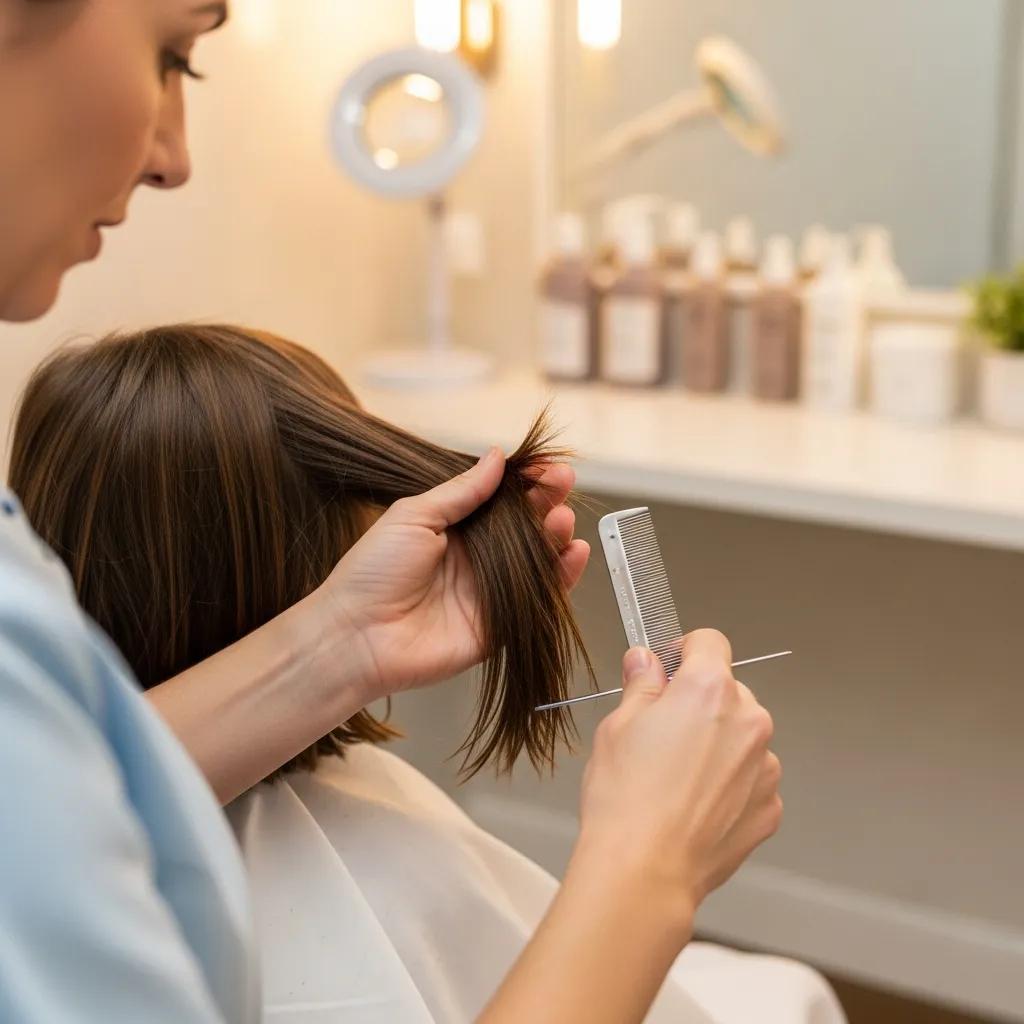
A structured, repeatable process improves removal success by combining inspection, manual removal, and re-checks to interrupt the lice life cycle. The typical workflow uses focused soaking and detangling to separate hair, targeted combing to remove adults and nymphs, and systematic re-checks to catch any missed nits. Qualified technicians document progress, provide caregiver education on home follow-up, and schedule re-checks as needed to ensure lasting results. The sequence prioritizes completeness: careful prep and thorough combing reduce the chance of requiring repeat visits.
Soak and detangle hair to loosen debris and make combing efficient.
De-bulk hair by removing loose debris and hair that impedes combing.
Sub-section hair for organized, consistent combing and full coverage.
Cross-section combing to systematically remove lice and nits from each area.
Re-comb to verify removal and clear remaining nits near the scalp.
Nymph re-check after initial removal and provide caregiver education on aftercare.
This numbered summary outlines why the 6-step method lowers live-lice counts quickly and supports a successful first-visit outcome.
StepActionOutcome / Time EstimateSoakApply detangler/pesticide-free lotionLoosened hair, easier combing (10–15 min)De-BulkRemove tangles/debrisReduced combing resistance (5–10 min)Sub-SectionDivide hair into zonesFull coverage, systematic combing (5 min)Cross SectionFine-tooth comb techniqueRemoves adults and nits (20–40 min)Re-CombSecondary pass over scalpVerify removal (10–15 min)Nymph Re-CheckShort follow-up inspectionCatch missed nymphs; plan follow-up (10 min)
This table clarifies each step’s action and typical time to help families know what to expect during a professional session.
Some professional providers use this same six-step manual comb-out approach combined with pesticide-free products as their core protocol; this neutral description reflects common industry practice and aligns with non-chemical strategies recommended for resistant lice.
How Does the 6-Step Lice Removal Method Ensure Success?
The 6-step sequence ensures technicians address hair prep, systematic removal, and verification to reduce remaining live lice and viable nits. Each step builds on the previous one: soaking and de-bulking simplify combing, sub-sectioning prevents missed spots, and repeated cross-section combing extracts lice at the root. Re-checks and education for caregivers close the loop by identifying missed nymphs and advising on follow-up checks at home. This methodical approach is why many trained teams report high first-visit success when applied consistently.
What Makes Manual Combing and Pesticide-Free Products Effective?
Manual combing mechanically removes both adult lice and eggs when done with fine-tooth combs and proper technique, directly interrupting reproduction. Pesticide-free supportive products reduce static and detangle hair, improving combing efficiency and lowering discomfort for the child. Because mechanical removal does not rely on chemical susceptibility, it remains effective against resistant or "super lice" strains that evade insecticides. Combined, these approaches reduce side-effect risk while providing a reliable path to full removal when executed carefully.
How Can Tucker Families Recognize and Prevent Head Lice Infestations?
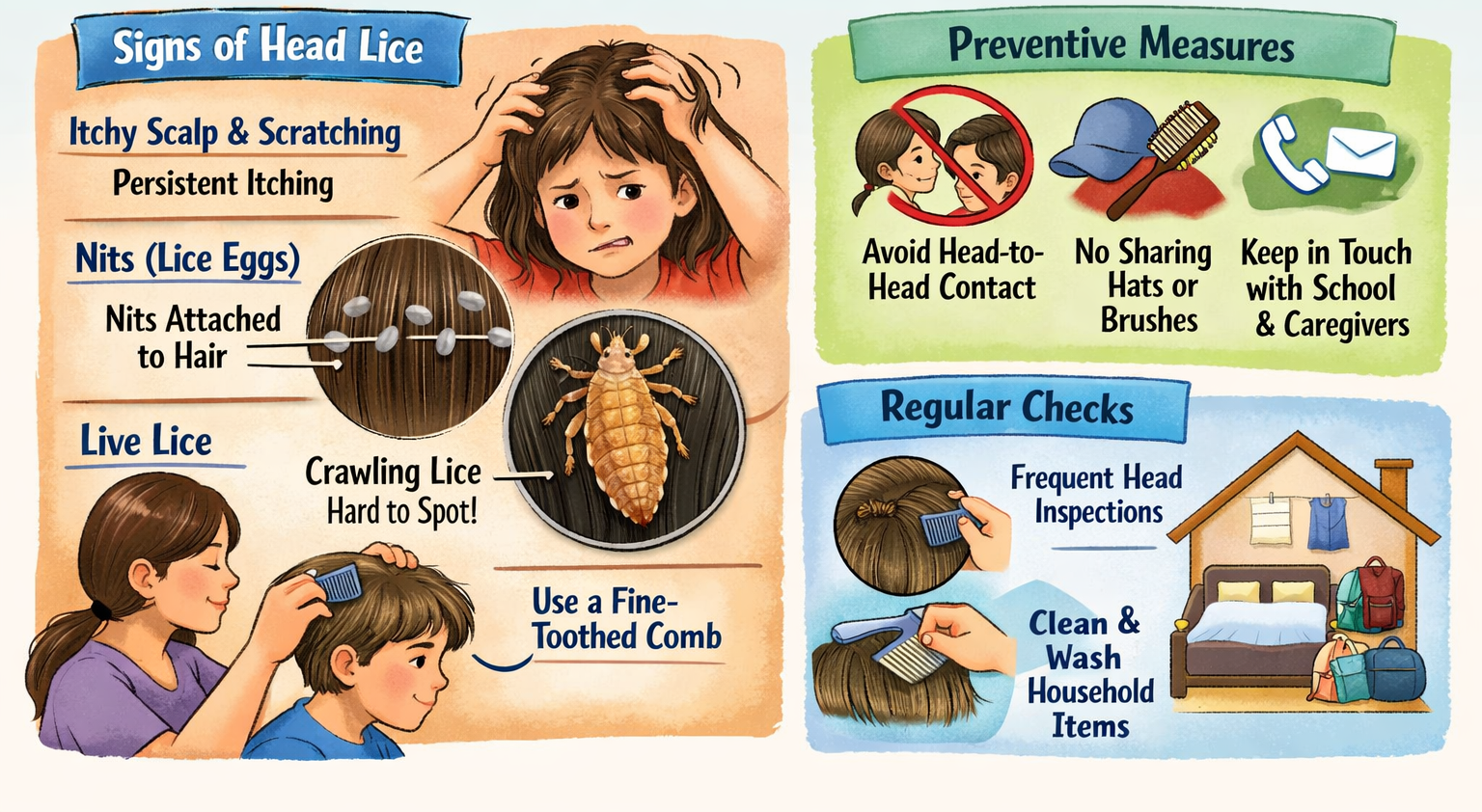
Early recognition and prompt action are key to limiting spread; common signs include persistent itching, visible nits, and occasional live lice spotted on the scalp. Quick head checks and targeted combing during suspected outbreaks help catch infestations before they spread widely in households or classrooms. Prevention focuses on reducing head-to-head contact, limiting shared personal items, and maintaining communication with schools and caregivers during outbreaks. Practical household steps and regular checks during known exposures form the backbone of effective prevention and control.
Itching and scalp irritation: Persistent scratching may indicate an active infestation.
Nits near the scalp: Small, pearly eggs attached close to the hair shaft are a common sign.
Visible live lice: Seeing crawling lice is definitive, though they may be hard to spot.
These detection points guide immediate action: perform a wet-combing check, separate personal items, and notify school or daycare if infestation is confirmed.
Sign / TipWhen / Who it Applies ToRecommended ActionItchingAny child with persistent scalp scratchingPerform wet-comb check and inspect behind earsVisible NitsClose to scalp on hair shaftsManually remove nits; schedule professional check if numerousRecent ExposureHousehold or classroom with confirmed caseStart daily checks and limit shared headwearShared ItemsHats, brushes, headphonesAvoid sharing and sanitize common items
What Are the Common Signs and Symptoms of Head Lice?
Recognizing lice early reduces spread and simplifies treatment, with itching and skin irritation as the most common early symptom. Nits (eggs) are often visible within a quarter-inch of the scalp, especially behind ears and at the nape of the neck, and their presence suggests recent or ongoing infestation. Finding live, moving lice confirms infestation but may require focused combing to reveal them due to their small size. When these signs appear, prompt wet-combing checks and consideration of professional mobile treatment can prevent transmission to other household members.
Which Prevention Tips Help Avoid Lice Outbreaks in Schools and Homes?
Avoid head-to-head contact: Teach children to limit close play that touches heads.
Store personal items separately: Use cubbies or individual hooks for backpacks and coats.
Regularly check hair during outbreaks: Weekly wet-comb checks catch infestations early.
These prevention steps lower transmission risk and support faster containment if an infestation appears.
What Are the Pricing and Appointment Details for Tucker, GA Lice Treatment?
Professional mobile lice services typically use clear, itemized pricing that separates head checks, per-head treatments, and travel fees so families can compare costs. Many providers list a flat family rate option alongside per-head fees and may offer same-day mobile appointments for urgent cases. Understanding what each line item covers—inspection time, full comb-out, caregiver education, and follow-up checks—helps set expectations before booking. Compare included services, travel costs, and any guarantees when evaluating providers.
ServiceWhat’s IncludedTypical Price / NoteHead CheckQuick inspection and diagnosis$30–$40 (example benchmark)Single-Head TreatmentFull comb-out and education$125–$175 per head (example range)Family RateTreatment for whole family, flatFrom $150–$200 per family (example benchmark)Travel FeeTechnician travel within service areaVaries; may apply to mobile visits
How Much Does Professional Lice Removal Cost in Tucker?
Sample pricing benchmarks help families budget before contacting providers: head checks are often listed around $30 to $40, individual treatments commonly range $125–$175 per head, and some services offer family pricing starting near $150 to $200. Travel fees may apply for mobile visits depending on distance, and same-day appointment availability is sometimes offered for urgent needs. Confirm exact pricing and what is included—timing, education, and follow-up—when scheduling to avoid surprises.
What Should Families Expect During a Mobile Lice Treatment Appointment?
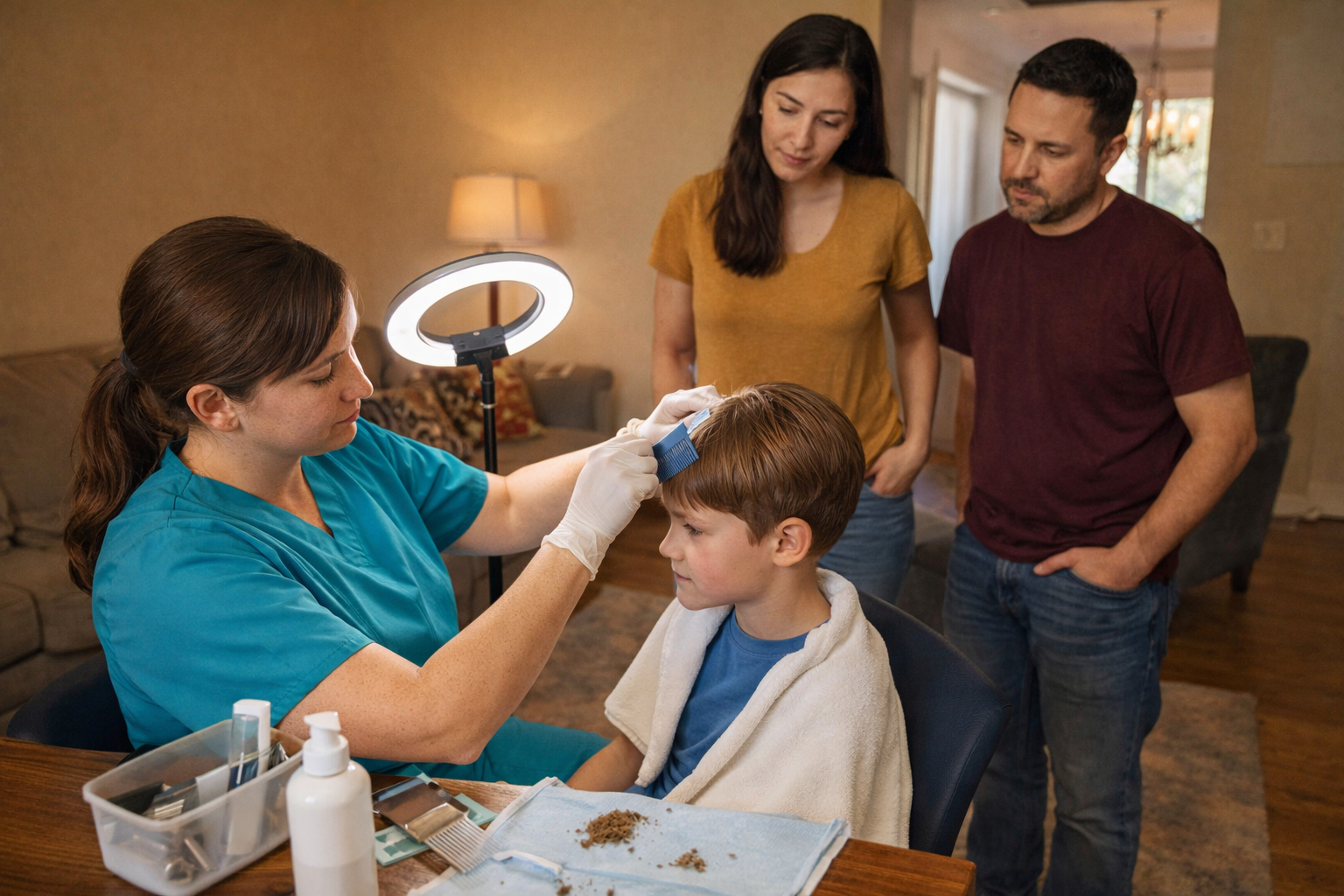
A typical mobile appointment begins with a focused head check and brief history, followed by setup in a well-lit area and the six-step removal process performed at the home. The technician will comb methodically, remove nits and live lice, and provide clear aftercare instructions and prevention training for caregivers. Sessions vary by hair length and infestation severity but generally include cleanup and recommended re-check timing. Prepare a comfortable seat, good lighting, and a calm space to help the visit proceed smoothly.
For urgent situations, consider contacting a local professional about same-day mobile, non-toxic treatment options and availability for in-home visits.


Facebook
LinkedIn
Instagram
TikTok