How to Choose the Best Lice Treatment Center Near Me: A Comprehensive Guide
How to Choose the Best Lice Treatment Center Near Me: Your Guide to Effective Professional Lice Removal

Head lice infestations are a common, treatable condition caused by Pediculus humanus capitis that cling to the scalp, cause itching, and create social and emotional stress for families. This guide explains how professional lice treatment centers diagnose and remove lice and nits, why nit removal matters for success, and how choosing the right local provider saves time and reduces reinfestation risk. You will learn to recognize symptoms, compare treatment methods (manual comb-out, heated air, chemical and non-toxic approaches), evaluate clinic versus in-home services, and understand typical payment and follow-up expectations. The article maps practical checklists and evidence-based prevention steps so you can confidently search for "lice treatment center near me" and select a provider whose methods, guarantees, and follow-up fit your family’s needs. Throughout, the focus is on clear decision criteria, actionable steps, and sensible questions to ask each potential provider while briefly illustrating common service models noted in the field.
What Are Head Lice and Nits? Understanding the Basics
Head lice are tiny, wingless parasites that live on the human scalp and lay eggs (nits) attached to hair shafts; they transmit primarily through direct head-to-head contact, making school-aged children most at risk. This parasite → colonizes → hair close to the scalp to feed and reproduce, which explains why inspection and timely removal are essential for breaking the life cycle. Accurate identification distinguishes live lice from empty shells or debris, and understanding the life cycle clarifies why nit removal is an active part of effective treatment. Recognizing these basics helps you decide when to perform a home check and when to seek professional nit removal services. The next sections explain how to spot signs and perform an effective inspection before choosing a treatment path.
What Are Head Lice and How Do They Affect You?
Head lice are small insects that live on the scalp and feed on blood, causing itching, irritation, and sometimes secondary skin inflammation from scratching. Children and caregivers often experience social stress and disruption to routines when infestations occur, and early detection reduces spread within households and schools.
Transmission is most common with direct scalp-to-scalp contact, which makes group activities and close play a frequent vector for spread. Understanding the emotional and physical impacts leads naturally to learning how to spot nits and perform a targeted inspection to confirm an active infestation.
How to Identify Nits and Recognize Symptoms of Infestation

Nits appear as tiny, oval, usually yellow-white specks firmly glued to the hair shaft within about 1/4 inch (6 mm) of the scalp, while dandruff or debris will wipe away easily. To check, use a bright light and a fine-toothed nit comb, dividing hair into sections and combing from scalp to ends while working systematically around the head.
Common symptoms include persistent itching, visible crawling lice, red bumps, and difficulty sleeping because lice are more active in the dark; consider a professional consultation if you see live lice or find many nits.
Learning to distinguish nits from debris prepares you for selecting an appropriate treatment method and knowing when to seek trained technician help.
Indeed, effective diagnosis, often involving methods like wet combing, is paramount for successful treatment outcomes, especially considering evolving challenges like drug resistance.
Head Lice Diagnosis: Wet Combing, Drug Resistance, and Dimethicone Efficacy
Wet combing is the most sensitive method of establishing the diagnosis and monitoring treatment. Resistance to neurotoxic pediculocidal drugs is increasing around the world. Dimethicones are the treatment of choice, with 97% efficacy.
Head lice: Epidemiology, biology, diagnosis, and treatment, 2016
Further studies have reinforced the superior efficacy of dimethicone, particularly when compared to other chemical and botanical treatments, in addressing persistent infestations.
Efficacy of Dimethicone vs. Chemical & Botanical Lice Treatments
Head louse infestations remain a global public-health concern due to increased resistance of lice to artificial pediculicides. In this study, we explored the status of botanical and toxic synthetic pediculicides with that of 4% dimeticone liquid gel for treating head lice. We found that exposure to 4% dimeticone liquid gel following the manufacturer’s instructions completely killed 100% of head lice in 15 min, whereas other pediculicide products failed to kill the great majority of head lice.
Comparative efficacy of chemical and botanical pediculicides in Thailand and 4% dimeticone against head louse,
Pediculus humanus capitis, M Yingklang, 2023
What Are the Most Effective Lice Treatment Options Available?

Professional and DIY lice treatments fall into several distinct types—manual comb-out, heated air devices, chemical pediculicides, and non-toxic/natural approaches—each with different strengths against live lice and nits. Manual comb-out service targets both live lice and nits by removing them mechanically, heated air treatment (AirAllé-style) dehydrates lice and eggs, chemical treatments aim to kill live lice and sometimes nits depending on the product, and non-toxic methods focus on suffocating or detaching eggs and lice without pesticides. Evaluating effectiveness revolves around nit-killing capability, technician skill, session length, and child-safety profiles, which determine likely outcomes and re-treatment needs. The following table compares key attributes across these common methods to help you weigh options before contacting a local center.
Research has specifically explored the efficacy of such heated air devices, like the LouseBuster™, in eradicating head lice.
LouseBuster™: Effective Hot Air Treatment for Head Lice
hot air can effectively kill body lice, the investigators have tested six different methods of using hot air to eradicate head lice -built high-volume, hot-air blower named the LouseBuster™
Hot air is an effective treatment for head lice, 2007
Expert sources further elaborate on these distinct treatment approaches, highlighting the mechanisms behind manual, heated, and chemical methods.
Manual, Heated, and Chemical Lice Treatment Methods
Removing lice by hand or with a lice comb, heating infested effectiveness of other drugs alone or in combination on lice
Management and treatment of human lice, 2016
Treatment Approach Effectiveness vs Lice Kills Nits? Session Length Child-Safety / Notes Manual comb-out service High when done by trained technicianRemoves nits mechanically60–120+ minutes Very safe; technician skill-dependent Heated air treatment (AirAllé-style)High for lice; variable for nitsCan dehydrate many nits60–90 minutes Non-chemical; generally child-safe Chemical OTC/prescription pediculicidesModerate to high (resistance possible)Some products affect nitsMultiple applications over daysPesticide exposure considerationsNatural/non-toxic productsVariable; often require repeated sessionsOften limited unless combined with combingVaries; may require several treatmentsLower toxicity; time-intensive
This comparison highlights why trained technician protocols and follow-up matter: method choice affects nit-killing ability, session time, and safety considerations. The next subsection compares professional delivery models and real-world trade-offs between methods.
How Do Professional Lice Removal Methods Compare?
Professional options typically combine technician-led manual comb-out with targeted use of heated air devices or selective non-toxic products, and those combinations generally yield faster clearance than isolated DIY attempts. Trained technicians apply systematic scalp inspection, methodical combing, and follow-up checks, improving single-visit success rates and reducing the need for repeated home treatments. Guarantees and recheck policies vary by provider and can influence value; for example, some clinics or in-home services offer rechecks or retreatments within a defined window. Understanding these protocol differences helps you prioritize providers that emphasize nit removal, technician training, and documented follow-up to minimize reinfestation risk.
What Are the Pros and Cons of DIY vs. Professional Treatments?
DIY treatments may be lower-cost upfront and convenient for mild cases, but they often require repeated applications, extensive time investment, and risk of incomplete nit removal leading to recurrence. Professional treatment typically costs more but delivers systematic nit removal, trained technician oversight, and often guarantees or follow-up inspections that improve overall effectiveness.
Hidden DIY costs include lost work or school time and repeat product purchases, while professional services can consolidate treatment and reassurance in a single appointment. When infestation is widespread, involves multiple family members, or past DIY attempts failed, professional removal is generally the more efficient and reliable option.
How to Evaluate and Choose a Reliable Lice Treatment Center Near You
A reliable lice treatment center combines trained technicians, transparent methods, clear guarantees, and hygienic procedures—these factors determine both immediate success and long-term value. Start by asking specific questions about technician training, the methods used for nit removal, what the guarantee covers, and whether follow-up rechecks are included. Reviews and testimonials that describe outcomes and follow-up experiences are more informative than star-only ratings, and look for providers who explain their process clearly and answer protocol questions.
Use this checklist when evaluating local providers:
Ask how technicians are trained and whether they follow a written protocol for nit removal.
Ask which treatment methods are used (manual comb-out, heated air, non-toxic products) and why.
Clarify guarantee length and what rechecks or retreatments are included.
Request information on hygiene, infection control, and how the center handles multiple family members.
Read recent, detailed reviews that mention outcomes and follow-up experiences.
These questions focus attention on outcomes, not marketing claims, and help you compare centers objectively. Next, learn how guarantee language and follow-up policies actually affect long-term success and value.
(Short provider note: common service models in the market include clinic-based centers and in-home technicians, and some well-known providers emphasize heated air technology, non-toxic products, or technician-led comb-out protocols. Use those distinctions to match a provider’s approach to your priorities without assuming one model is universally best.)
What Key Factors Should You Consider?
Prioritize technician credentials, transparent explanation of methods, guarantee specifics, and cleanliness to evaluate centers effectively; each factor directly impacts the likelihood of complete lice and nit removal. Technician training ensures a methodical comb-out and accurate detection, while transparency about product ingredients and device use informs safety decisions for children. Meaningful guarantees specify timeframe and coverage for rechecks or free retreatments; ambiguous or vague guarantees are a red flag. Considering these factors together creates a balanced decision framework that emphasizes outcomes, safety, and post-treatment support.
How Do Treatment Processes, Guarantees, and Follow-Up Care Affect Your Choice?
A strong guarantee (for example, a documented recheck or retreatment window) reduces the risk of hidden costs and signals confidence in a provider’s protocol, while scheduled follow-ups or rechecks help catch late-hatching nits before they reestablish an infestation. Follow-up care commonly includes an inspection at a defined interval and, if needed, a retreatment at no additional cost for a set period, which improves long-term success. When guarantee language excludes specific outcomes or places undue burden on the client for proof, treat it cautiously and prefer providers with clear, written follow-up policies. Clear follow-up expectations translate directly into greater value and peace of mind.
What Are the Differences Between Clinic-Based and In-Home Lice Removal Services?
Clinic-based and in-home/mobile services offer distinct trade-offs in privacy, convenience, cost, throughput, and infection control; your choice depends on family size, mobility, and scheduling needs. Clinics provide a controlled environment with specialized equipment and may treat multiple family members efficiently, while in-home services add privacy and convenience and reduce logistical stress when multiple household members need treatment. Cost patterns often reflect travel and time factors, and infection-control practices vary by setting; prioritize documented hygiene protocols and technician procedures regardless of model.
The table below summarizes major differences to help you weigh which model aligns with your priorities.
Service ModelPrivacyConvenienceTypical Cost RangeTime per AppointmentInfection ControlClinic-based lice removalModerate privacy in a clinical settingRequires travel and schedulingOften lower per-person for walk-in or clinic visitsEfficient for multiple clients, 60–120 minutesControlled environment; centralized sanitationIn-home / mobile serviceHigh privacy, home-basedAppointments at home; minimal disruptionMay be higher due to travel and individualized serviceAppointment time can be similar but includes setupTechnician brings sanitation protocols; home variabilityHybrid / Mobile clinicVariable privacyFlexible locations such as pop-upsVariable pricing depending on setupCan handle multiple family members with moderate efficiencySanitation depends on setup capabilities
This comparison makes clear that clinics suit families who can travel and want centralized control, while in-home services fit those needing privacy and convenience; both require clear sanitation and training protocols.
Next, practical benefits and drawbacks for each model are considered to help you decide.
What Are the Benefits and Drawbacks of Clinic-Based Treatment?
Clinic-based treatment offers a controlled environment with specialized equipment and trained staff, enabling efficient throughput for siblings and standardized sanitation practices. Clinics may be more cost-effective per person when multiple family members attend and can often schedule structured rechecks, which benefits families managing several affected individuals. Drawbacks include travel time, potential waiting, and less privacy than an at-home visit, which may be inconvenient for busy households or those seeking discretion. Evaluating these trade-offs helps you decide if a clinic’s efficiencies outweigh the convenience of a home visit for your situation.
How Do In-Home and Mobile Services Offer Convenience and Privacy?
In-home and mobile services bring technicians to your residence, minimizing disruptions to daily routines and providing higher privacy for sensitive situations; this is especially helpful when multiple household members require coordinated treatment. Typical in-home appointments include a technician-led inspection, targeted comb-out, and guidance for follow-up care and home preparation; providers may request a clear area to work and limit access to pets or bedding during the visit. Fees can include travel or minimum appointment charges, so confirm pricing and appointment windows in advance to avoid surprises. Choosing in-home services trades some cost for convenience and privacy and is often preferred when discretion and household-wide treatment are priorities.
How Much Does Professional Head Lice Removal Cost and Is It Covered by Insurance?
Professional head lice removal costs vary by service model, regional market, treatment method, and the number of people treated; clinics often have lower per-person costs than individualized in-home visits, while mobile services may include travel fees. Payment options commonly accept HSA/FSA cards and provide itemized receipts for potential reimbursement, but insurance coverage for lice treatment is inconsistent and typically depends on plan specifics and medical necessity. Consider cost drivers such as session length, technology used (heated air devices may add to fees), and whether follow-up rechecks or family-member pricing are included. The table below outlines common payment and coverage patterns to help you prepare for conversations with providers and payers.
Before contacting a provider, review typical payment considerations and reimbursement steps.
Payment Option / Provider TypeHSA/FSA EligibleTypical Price IndicatorInsurance Likelihood / Documentation NeededClinic-based professional serviceOften eligible with itemized receiptModerate (lower per-person indicator)Variable; may require invoice and provider statementIn-home / mobile technicianOften eligible with itemized receiptHigher (travel/individual service indicator)Less likely covered; need detailed documentationFollow-up / recheck visitsOften eligible if charged separatelyTypically lower incremental costDocumentation helpful for reimbursement claims
This table emphasizes that while HSA/FSA use and itemized receipts are commonly accepted for reimbursement, insurance coverage varies and usually requires checking plan details and obtaining provider statements. Next, specific cost drivers and reimbursement steps are explained.What Are the Typical Costs of Professional Lice Treatment?
Typical costs depend on region, service model, and method: clinics generally show lower per-person indicators because of centralized operations, while in-home visits reflect individualized time and travel. Cost drivers include how many family members are treated in one session, whether heated air or specialized devices are used, and whether a guarantee with rechecks is included.
Ask providers for a clear written estimate that lists per-person rates, travel or setup fees, and what follow-up services are included to compare total value rather than price alone. Understanding these components helps you assess which provider offers a transparent value proposition.
How Can HSA/FSA and Insurance Help Cover Treatment Expenses?
Many professional lice services accept HSA/FSA payments or will provide itemized invoices that allow clients to request reimbursement, but acceptance and insurance coverage depend on employer plans and medical necessity criteria. To maximize reimbursement likelihood, request an itemized receipt that details the service, dates, and provider name, and ask whether the provider will supply a statement of medical necessity if required by your insurer. Check your plan’s documentation and contact customer service before treatment to confirm whether lice removal qualifies under your benefits; planning ahead reduces surprises and helps you choose a payment approach that minimizes out-of-pocket expense.
What Are the Best Strategies for Lice Prevention and Post-Treatment Care?
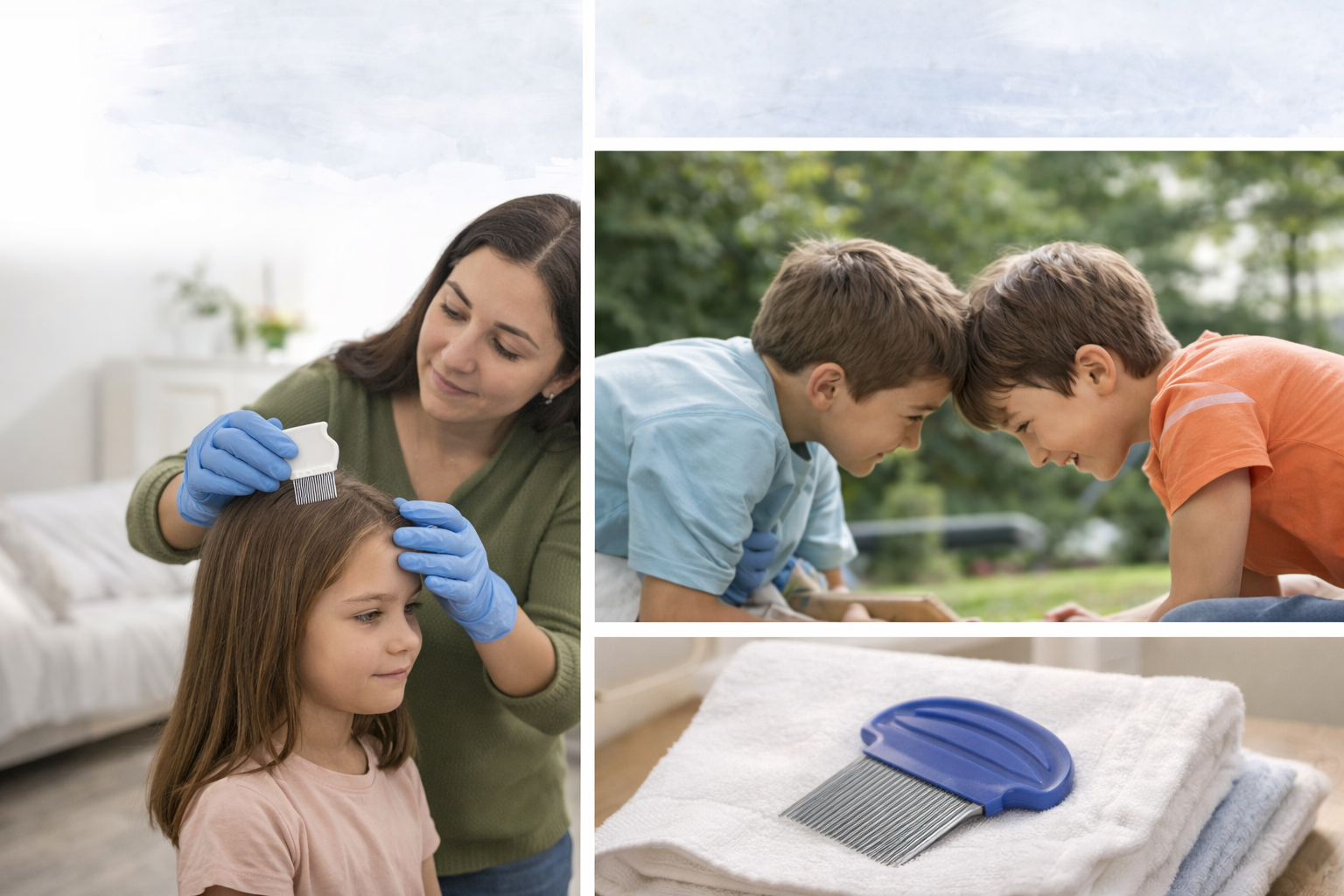
Effective prevention and post-treatment care focus on early detection, routine checks, avoiding head-to-head contact, and targeted home cleaning—measures that reduce reinfestation risk without unnecessary effort. Immediately after treatment, scheduled rechecks and consistent use of a fine-toothed nit comb for follow-up sessions help catch any late-hatching nits. Home cleaning should emphasize washing recently worn clothing and bedding and sealing non-washable items temporarily, while routine behaviors—like not sharing hats, brushes, and close-contact head activities—reduce transmission. The following lists and checklist summarize prevention tactics and post-treatment steps to make reinfestation unlikely when combined with professional removal.
Here are practical prevention steps families can adopt right away:
Conduct regular head checks for children, especially after sleepovers or group events.
Avoid head-to-head contact during play and encourage not sharing combs, hats, or headphones.
Use fine-toothed checking combs weekly during peak seasons or after known exposures.
These actions focus on early detection and behavior change to reduce new introductions; the next section covers targeted home-cleaning steps and school/work return guidance.
Which Prevention Methods Effectively Reduce Reinfestation Risk?
Prevention centers on consistent head checks, reducing direct head-to-head contact, and avoiding sharing personal items that touch the hair or scalp; these steps interrupt common transmission pathways. Routine combing with a nit comb after bathing and periodic inspections for family members provide early detection and limit spread. Myth-busting is important: extensive home fumigation or aggressive housecleaning beyond washing recently worn fabrics is unnecessary; instead, concentrate on items in direct contact with the head in the prior 48–72 hours. Applying these practical tactics lowers reinfestation chances and complements professional treatment protocols.
How Should You Manage Home Cleaning and Returning to School or Work?
Focus cleaning on machine-washable items used within 48–72 hours—wash in hot water and dry on high—or seal non-washable items in a plastic bag for two weeks to ensure any stray lice expire. Vacuum furniture and floors where close contact occurred, but avoid over-sanitizing the home or treating the house with pesticides; lice survive only briefly off the human head. Schools and workplaces commonly follow return-to-school guidance that emphasizes treatment completion and, in many cases, allows return after appropriate treatment or inspection; communicate with schools using concise documentation or the provider’s recheck notes if available. Clear, calm communication with schools and employers prevents unnecessary exclusion and helps manage social stigma while ensuring public health.
This guidance often intersects with school policies regarding the presence of nits, which have been a subject of debate among experts.
Understanding the "No Nit" Policy in Head Lice Treatment
all head lice, eggs and nits have been removed. The “no nit” policy assumes that all nits It is our professional opinion that the “no nit” policy is imprudent and unjust, as it is based on
Head louse infestations: the “no nit” policy and its consequences, KY Mumcuoglu, 2006
The following checklist summarizes targeted cleaning and communication steps:
Targeted cleaning minimizes disruption: wash or bag items used recently rather than deep-cleaning the entire home.
Return-to-school steps often require proof of treatment or inspection: request an itemized recheck note from the provider if needed.
Document and communicate: a factual, brief note to schools or employers reduces stigma and clarifies the return timeline.
These practical cleaning and communication steps close the loop on treatment and prevention, helping families resume normal routines with confidence and reduced reinfestation risk.

Facebook
LinkedIn
Instagram
TikTok