
Is It True That Only Girls or Long Hair Get Head Lice?
It’s one of the most common lice myths we hear:
“Only girls with long hair get lice.”
In reality, head lice don’t care about gender, hair length, or cleanliness they care about access to a warm scalp and steady blood supply. At Lice Happens Atlanta, we’ve treated just as many boys as girls, and just as many short haircuts as long ones. Let’s clear up the confusion using facts, modern science, and trusted head lice guide information used in schools and clinics across Georgia.
👦 Boys Get Lice Too

Long hair does not cause lice close contact does.
We often get calls from parents asking why their sons need family lice treatment if “only girls get lice.”
The truth? Boys are frequently exposed through:
Shared team sports helmets
PE and camp headgear
Group photos and close selfies
Contact during rough play
These situations are some of the most common examples of how kids get lice.
Whether your child goes to school in Buckhead, Alpharetta, or anywhere in Georgia, boys and girls face equal risk especially during peak Georgia lice season, when transmission rates rise.
💇♀️ Does Hair Length Matter?
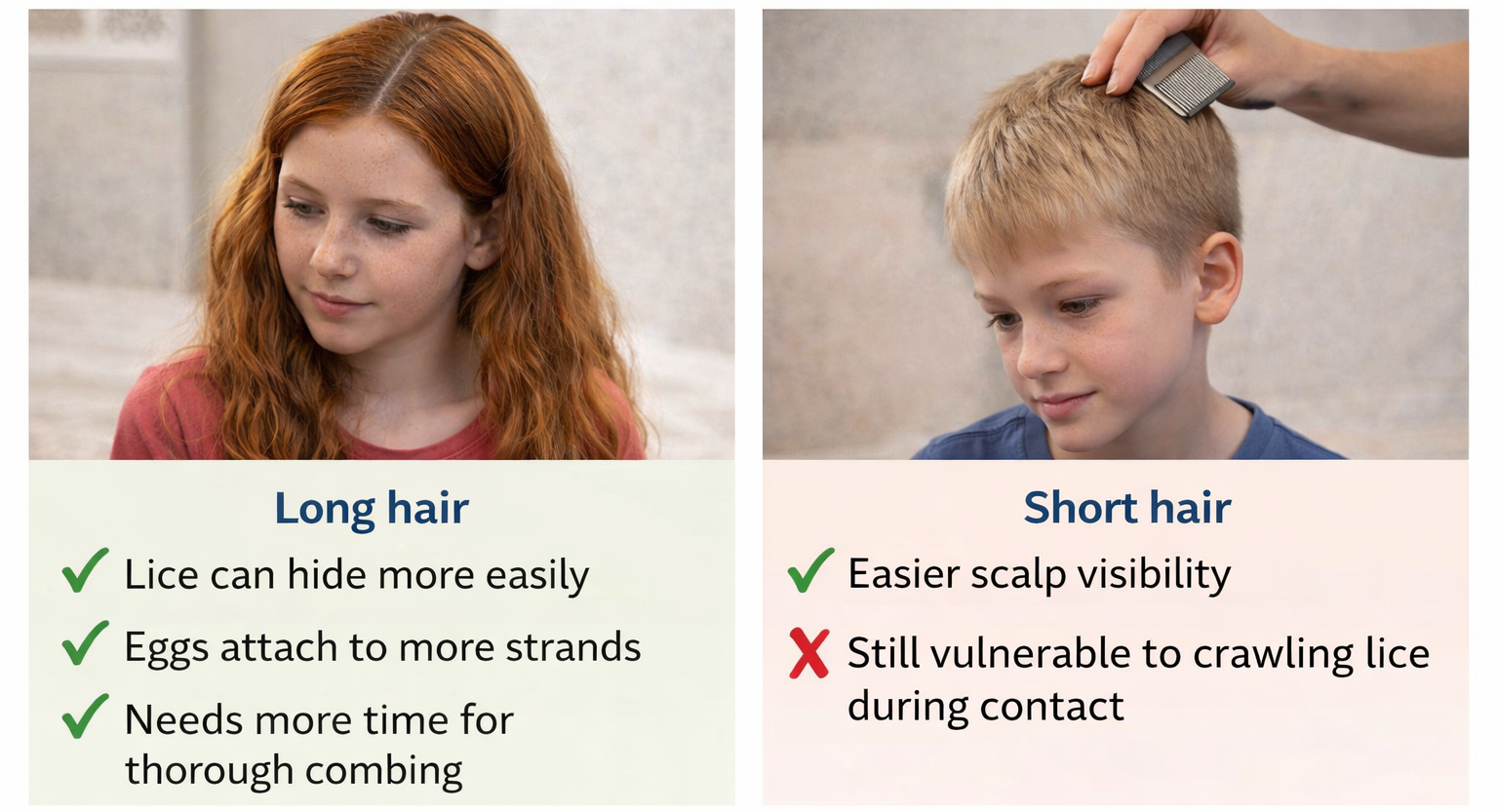
Hair length may change how visible lice are, but not whether they spread.
Long hair
✔ Lice can hide more easily
✔ Eggs attach to more strands
✔ Needs more time for thorough combing
Short hair
✔ Easier scalp visibility
❌ Still vulnerable to crawling lice during contact
Short hair doesn’t prevent lice it just makes the signs of head lice a little easier to spot.
💬 Common Myths Busted
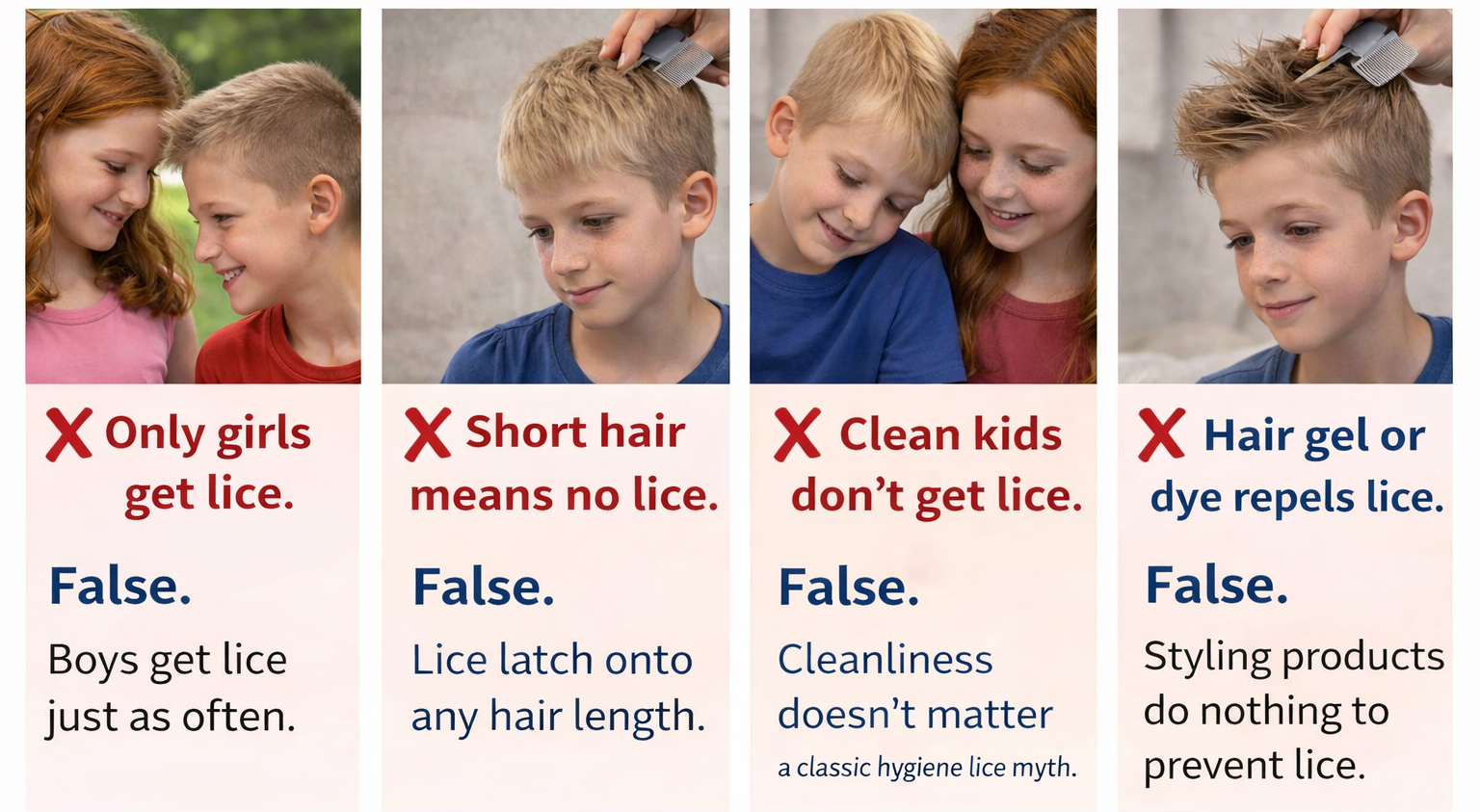
Let’s debunk the biggest misconceptions, including a common hair products lice myth that almost every family has heard:
❌ “Only girls get lice.”
→ False. Boys get lice just as often.
❌ “Short hair means no lice.”
→ False. Lice latch onto any hair length.
❌ “Clean kids don’t get lice.”
→ False. Cleanliness doesn’t matter a classic hygiene lice myth.
❌ “Hair gel or dye repels lice.”
→ False. Styling products do nothing to prevent lice.
These myths often cause families to overlook early symptoms and delay treatment, leading to bigger infestations and higher lice treatment cost Atlanta families experience.
🧬 The Science Behind It: Lice Life Cycle & Resistance
Understanding the lice life cycle helps families see why early detection is so important:
Eggs (nits) hatch in 7–10 days
Nymphs mature in another 7–10 days
Adults begin laying eggs again
This cycle repeats quickly especially with resistant lice Georgia families see more often due to overuse of OTC pesticides.
This is also why many parents now search Nix vs Rid comparison, only to discover that many over-the-counter treatments don’t kill resistant strains.
🏫 Why Schools Still See Lice Outbreaks
Even with better awareness, lice spread rapidly among students.
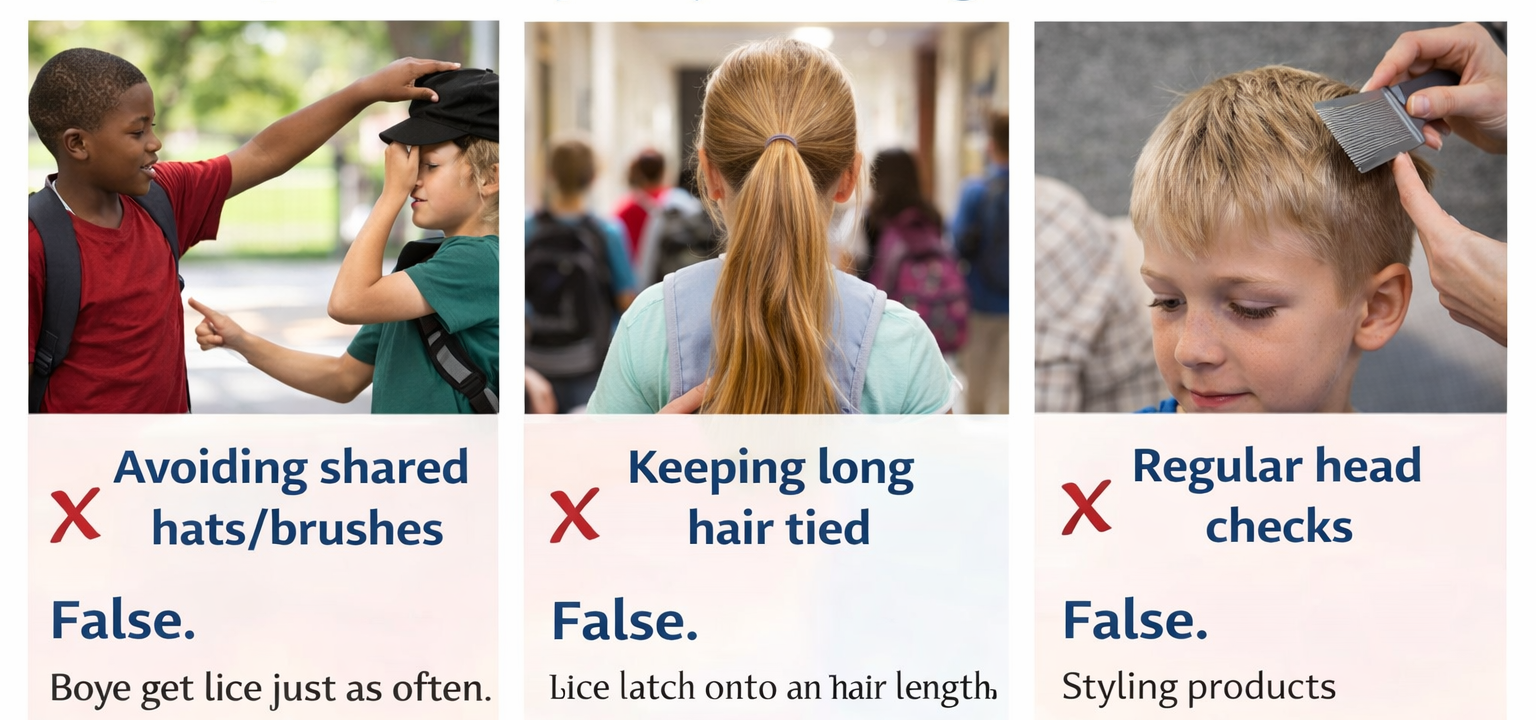
Many outbreaks occur despite following lice prevention schools recommend, which usually include:
Avoiding shared hats/brushes
Keeping long hair tied
Regular head checks
Schools follow updated guidelines, and modern Atlanta school lice policy no longer removes kids from class for nits. However, many send home a lice checklist 2025 or similar reminders to help parents catch problems early.
🕵️♀️ What Families Should Do
To protect your entire household:
Check every family member during an outbreak
Avoid sharing hats, helmets, and headphones
Tie long hair back during school and sports
Schedule regular back-to-school lice checks or screenings after exposure
At Lice Happens Atlanta, our technicians show parents exactly how to spot lice early no guessing, no stigma.
❤️ The Bottom Line
Head lice are equal-opportunity pests.
Boys, girls, long hair, short hair it makes no difference.
The only thing that matters is how often your child’s head touches someone else’s.
When in doubt, a professional screening ensures you treat only who needs it while preventing needless stress and overspending.
👉 Book a Whole-Family Screening fast, discreet, and judgment-free.
📞 Call 770-776-7913 or visit licehappensga.com to schedule.


Facebook
LinkedIn
Instagram
TikTok