
Does Hygiene or Hair Length Affect the Chance of Getting Lice?
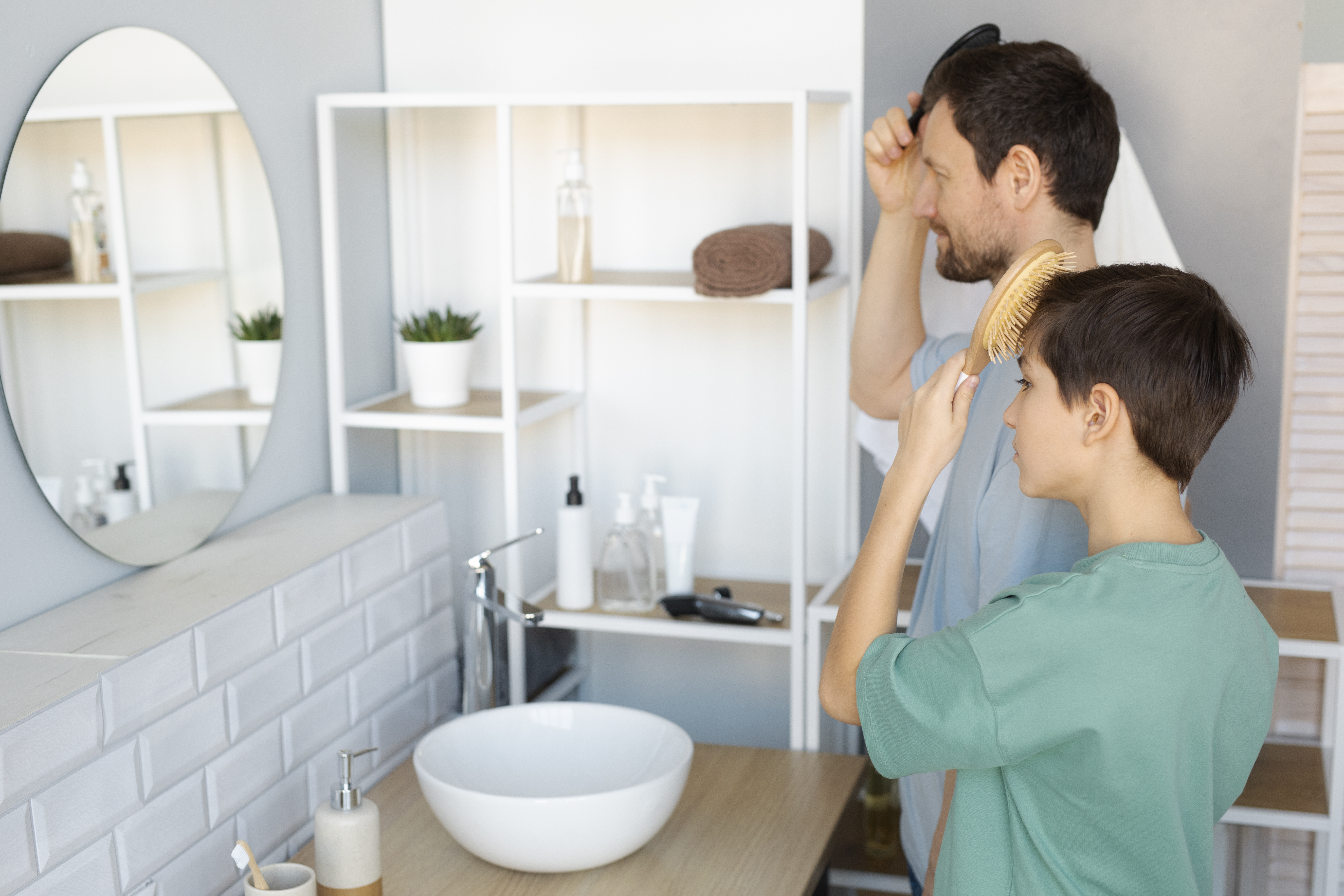
Parents often whisper, “We keep everything clean… how did this happen?”
The truth is simple and backed by science: cleanliness has nothing to do with lice.
This misconception is one of the most common lice myths and a major hygiene lice myth that creates unnecessary stress for families. Lice don’t care how often your child showers, how well you maintain hair care routines, or what products you use. They care only about one thing: access to a warm scalp and blood meals.
Lice can grip any type of hair clean or dirty, long or short which is why even families who follow every cleanliness rule still deal with lice, especially during school months when how kids get lice is mostly related to social behavior, not hygiene.
🧒 How Kids Really Get Lice
Lice spread almost entirely through head-to-head contact.
This happens during:
Hugs
Playing sports
Taking selfies
Sharing beds during sleepovers
Sitting closely in classrooms
Group photos or TikTok videos
Camps and school events
Not through poor hygiene, not through pets, and rarely through objects.
Many parents also believe in pets and head lice myths, but pets cannot get or spread human lice. Similarly, concerns about lice on furniture or house cleaning lice routines are often exaggerated lice survive less than 24 hours off the scalp and rarely cause lice reinfestation through household items.
🪮 What Actually Helps Prevent Lice
Here are proven strategies aligned with Atlanta school lice policy recommendations and our expert-backed lice checklist 2025:
✔️ Braid or Tie Back Long Hair
This reduces surface area for contact during school or sports.
✔️ Avoid Sharing Hair Items
Never share hats, helmets, combs, brushes, hair ties, or headphones.
✔️ Use a Mint-Based Repellent
Many families use mint, rosemary, or tea tree sprays as part of their daily routine. (Just don’t mistake this for a cure avoiding the hair products lice myth is key.)
✔️ Do Weekly Head Checks
Use a fine-tooth lice comb under bright light.
Catch early signs of head lice, such as:
Tiny white nits stuck to hair
Itching around the nape or behind ears
Red spots or scratch marks
A tickling sensation
Early detection prevents school outbreaks and reduces school lice attendance disruptions.
✔️ Educate Kids
Teach them that how kids get lice is through contact, not being dirty.
🧴 Do I Need to Wash My Hair Before a Lice Treatment?
Surprisingly… no.
In fact, most professionals recommend NOT washing your hair for 24 hours before treatment.
Here’s why:
Natural scalp oils help treatment solutions stick to hair
Freshly washed hair can make products slide off
Conditioner creates a protective coating that blocks treatments entirely
✔ Expert Recommendations:
Avoid shampooing for 24 hours before treatment
Skip conditioner
After treatment, wait 24–48 hours or follow technician instructions
This applies to all professional-grade methods, including family lice treatment services that rely on high-precision techniques.
🏡 Focus on Heads, Not Cleaning the House
Because of persistent lice myths, many parents panic-clean the entire home.
But research shows lice do not infest furniture, pets, bedding, or carpet.
Here’s what you actually need to do:
Wash pillowcases, hats, and hair accessories from the last 24 hours
Vacuum sofas and car seats once
No deep cleaning, fogging, or disinfecting needed
No treating pets (they cannot carry human lice)
This simple routine prevents wasting time on unnecessary house cleaning lice tasks.
At Lice Happens Atlanta, we focus on facts and prevention not stigma.
Clean kids get lice too, and it’s no one’s fault. The good news? With early detection and expert help, lice are easy to eliminate and prevent from spreading.
🪄 Download our free Lice Prevention Guide for Georgia Families at LiceHappensga.com

Facebook
LinkedIn
Instagram
TikTok