
Can My Child Get Lice Again After Treatment? | Atlanta
It’s frustrating to find lice again after treatment, but it doesn’t always mean the treatment failed or that your home is still infested. In many cases, what looks like a “new” infestation is either reinfestation where a child picks up lice again through close head-to-head contact or missed nits that survived the initial treatment and later hatched.
Reinfestation happens when someone is exposed to another person with active head lice after treatment. Missed nits, on the other hand, are eggs that were not removed during the first treatment. Because most lice eggs hatch within about a week, even a few remaining viable nits can lead to live lice appearing days later. This is why thorough nit removal and proper follow-up are just as important as the initial treatment.
If you're unsure whether you're dealing with reinfestation or missed nits, a professional lice check can provide clarity and help you choose the most effective next step with confidence.
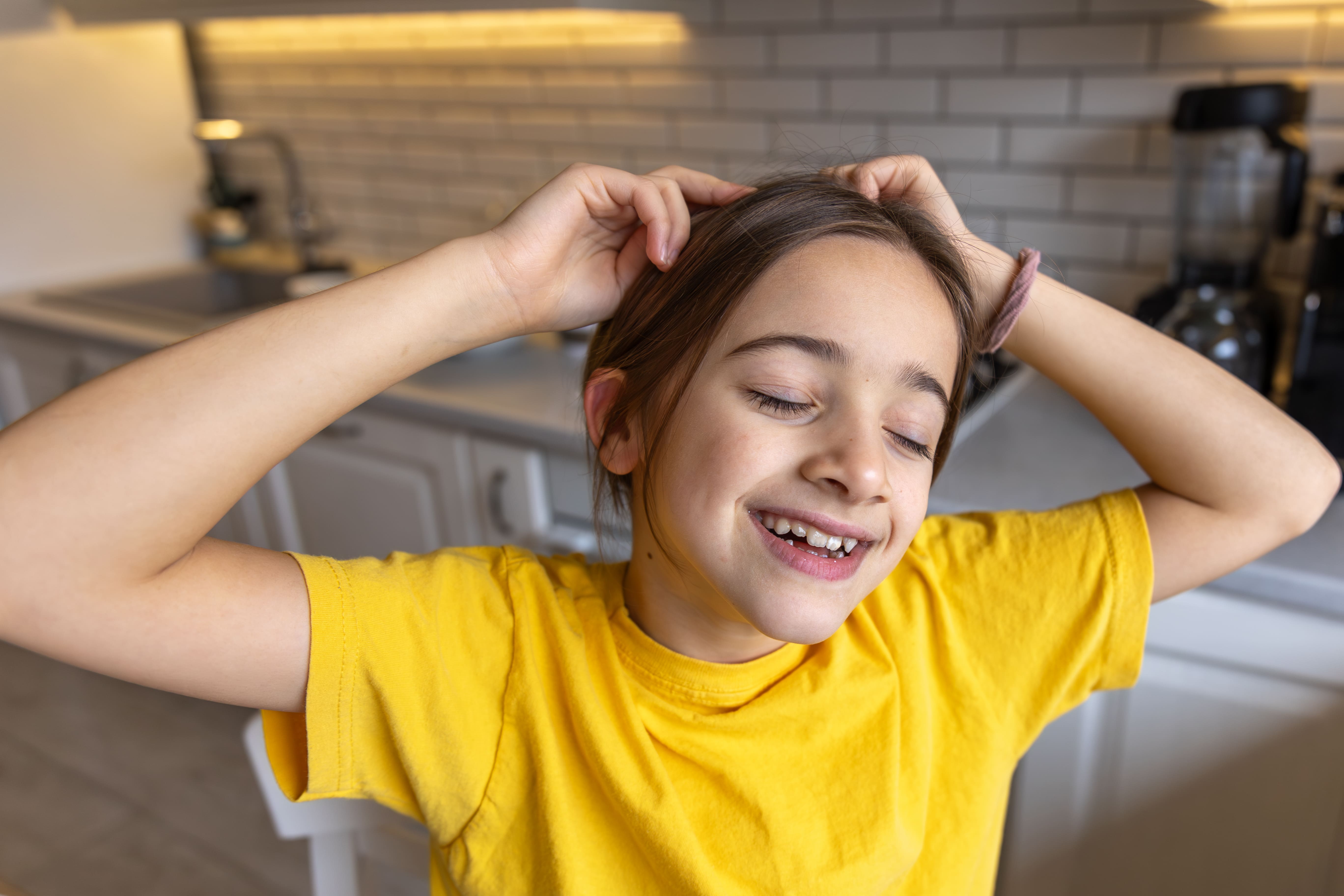
You’ve just finished a lice treatment, washed the sheets, and breathed a sigh of relief only to spot another nit a few days later. Frustrating? Absolutely. But it’s also common, preventable, and well-studied in Atlanta lice research. Many parents wonder how kids get lice and whether their home, pets, or hygiene had anything to do with it. The truth: head lice don’t discriminate. Even pets and head lice myths don’t hold up lice spread primarily through close hair-to-hair contact, not from animals.
🧬 Understanding the Lice Life Cycle
Head lice follow a three-part lice life cycle: egg (nit), nymph, and adult.
Nits (eggs) take about 7–10 days to hatch.
Nymphs mature into adults within another 7–10 days.
Adults live around 30 days, laying up to 8 eggs per day.
Even if you finish a treatment, resistant lice Georgia strains or missed eggs can start a new generation in just two weeks making it look like the lice “came back,” when in fact, they never fully left.
⚠️ Why Lice Come Back After Treatment
Common reasons for recurrence include:
Missed eggs or resistant lice: Many OTC treatments fail against super lice Georgia.
Improper application: Too little product or not left on long enough.
Untreated family members or friends: Following a family lice treatment plan is essential.
Re-infestation from belongings: Lice on furniture, pillows, hats, or car seats can survive briefly although lice on furniture is rarely the main source.
🧴 What Is the Best Over-the-Counter Head Lice Treatment?
When choosing an OTC lice treatment, look for safe, pesticide-free options. Some include:
Pyrethrin or Permethrin shampoos: Traditional treatments, but may require a second application within 7–10 days.
Silicone-based treatments (like dimethicone): Smother lice instead of poisoning them, often effective against resistant lice Georgia.
💡 Tip: No OTC product removes every nit, which is why manual combing is critical. Combining a quality shampoo with thorough combing addresses the lice life cycle effectively.
If lice keep coming back despite OTC products, consider professional lice removal services, such as mobile lice treatment Atlanta, Alpharetta lice treatment, or Buckhead lice removal. These services ensure complete elimination in a single visit and are ideal for families facing Nix vs Rid comparison confusion.
🔍 What to Watch For Post-Treatment
After treatment, comb daily for 7–10 days. Check for:
Fresh nits near the scalp (signs of head lice)
New itching after a week
Live bugs visible during combing
If these appear, a second treatment or professional check is needed to prevent lice reinfestation.
The Best Way to Prevent Recurrence
Professional lice removal ensures all eggs and lice are eliminated. At Lice Happens GA specialists use magnified combing and chemical-free methods that stop lice for good. Following Atlanta school lice policy, parents should also implement lice prevention schools tips, including:
Back-to-school checks (back to school lice check)
Avoiding shared hats and hair accessories (hair products lice myth)
Keeping hair tied back and checking frequently (lice prevention tips)
Implementing a lice checklist 2025 for holidays, camps, and sports seasons (Georgia lice season)
Following these steps, along with proper house cleaning lice methods, will drastically reduce future outbreaks.
✅ Key Takeaways
Head lice spread fast, often before kids show symptoms.
Early detection is critical supported by Atlanta lice research.
Professional treatment is the safest, most reliable solution (mobile lice treatment Atlanta, Alpharetta lice treatment, Buckhead lice removal).
Understanding the lice life cycle, debunking lice myths, and following family lice treatment plans prevents reinfestation.
Shared belongings or pets and head lice are rarely the cause, but proper hygiene and monitoring help.
💙 The Best Way to Prevent Recurrence
Professional lice removal ensures every egg is found and eliminated. At Lice Happens GA, our specialists use magnified combing and safe, chemical-free methods that stop lice for good.
👉 Book a follow-up check with Lice Happens GA to make sure no hidden eggs remain and your family stays lice-free.

Facebook
LinkedIn
Instagram
TikTok