How Long Does Lice Treatment Take: Professional vs DIY Timeline
How Long Does Lice Treatment Take: Comparing Professional vs DIY Timelines for Effective Removal

Understanding the duration of lice treatment is crucial for families facing an infestation. The timeline can significantly impact the effectiveness of the treatment and the overall experience for those involved. This article will explore the differences between professional and DIY lice treatment timelines, providing insights into what families can expect. We will delve into the life cycle of head lice, the challenges of DIY treatments, and the efficiency of professional services like Lice Happens Atlanta. By the end, readers will have a clear understanding of how long lice treatment takes and the best options available.
What Is the Head Lice Life Cycle and How Does It Affect Treatment Duration?

The head lice life cycle consists of three main stages: eggs, nymphs, and adults. Understanding these stages is essential for effective treatment, as each stage has different characteristics and timelines. Lice eggs, also known as nits, hatch into nymphs within about 7-10 days, and these nymphs mature into adult lice in about 7-10 days. This rapid development means that timely intervention is critical to prevent reinfestation and further spread.
What Are the Stages of Head Lice: Eggs, Nymphs, and Adults?
Head lice undergo incomplete metamorphosis, which includes three distinct stages: eggs (nits), nymphs, and adults. Nits are laid by adult female lice and are typically found close to the scalp. They take about 7-10 days to hatch into nymphs, which are immature lice that resemble adults but are smaller. Nymphs mature into adult lice within 7-10 days, capable of laying more eggs. Understanding these stages helps in determining the appropriate timing for treatment, as addressing lice at any stage can prevent further infestation.
How Long Do Lice Eggs Take to Hatch and Why Is This Important?
Lice eggs typically take about 7-10 days to hatch. This hatching period is crucial because it directly impacts the timing of treatment. If treatment is applied before the eggs hatch, it can significantly reduce the number of adult lice and prevent a larger infestation. Therefore, understanding the hatching timeline is essential for effective lice management and ensuring that families can take timely action to eliminate lice.
Further research highlights the critical role of understanding the lice life cycle in treatment efficacy and the challenges posed by evolving resistance to common pediculicides.
Head Lice Life Cycle, Diagnosis & Dimethicone Efficacy
Nymphs hatch from eggs after an average of 8 days and become sexually mature lice over the ensuing 9 days. The main route of transmission is direct head-to-head contact; transmission via inanimate objects is of no relevance. Wet combing is the most sensitive method of establishing the diagnosis and monitoring treatment. Resistance to neurotoxic pediculocidal drugs is increasing around the world. Dimethicones are the treatment of choice, with 97% efficacy.
Head lice: Epidemiology, biology, diagnosis, and treatment, 2016
How Long Does DIY Lice Treatment Take and What Challenges Are Involved?
DIY lice treatment can often be a lengthy process, requiring multiple attempts and significant time investment. Families may find themselves frustrated by the challenges associated with these methods, which can lead to prolonged infestations.
What Are Common DIY Lice Treatment Methods and Their Time Requirements?
Common DIY lice treatment methods include over-the-counter shampoos, home remedies, and manual combing. Each method varies in time requirements:
Over-the-Counter Shampoos: Typically require application time of 10-15 minutes, followed by a thorough combing session that can take an additional 30-60 minutes.
Home Remedies: Methods such as using mayonnaise or olive oil can take several hours to overnight for effectiveness, plus additional combing time.
Manual Combing: This can take 1-2 hours, depending on hair length and thickness, and may need to be repeated multiple times over several days.
These methods can lead to a total time investment of several hours spread over days or weeks, depending on the severity of the infestation.
Why Do DIY Treatments Often Require Weeks and Multiple Attempts?
DIY treatments often require weeks and multiple attempts due to several factors. First, many over-the-counter products may not effectively kill all lice and nits, leading to reinfestation. Second, the life cycle of lice means that new nymphs can emerge if eggs are not completely eradicated. Lastly, the manual combing process can be tedious and time-consuming, often requiring several sessions to ensure all lice and nits are removed. This cumulative time can lead to frustration and a sense of helplessness for families trying to manage the situation on their own.
Studies confirm that families frequently encounter significant difficulties and frustration when attempting to eradicate head lice on their own.
Family Challenges in Head Lice Eradication & DIY Treatment
This study investigated the experience of those treating head lice infections focusing on control difficulties. Respondents identified constraints for effective treatment that encompass technological, biological and social issues. Product concerns, treating children and blaming others for re-infection were among the main themes. Available treatment technologies are incompatible with the lifestyles of families in developed market economies.
Uncovering family experiences with head lice: the difficulties of eradication, R Speare, 2008
How Fast and Effective Is Professional Lice Removal with Lice Happens Atlanta?

Professional lice removal services, such as those offered by Lice Happens Atlanta, provide a fast and effective solution for families dealing with lice infestations. With a reported first-visit success rate of approximately 95%, these services are designed to eliminate lice quickly and efficiently, allowing families to return to their normal routines without prolonged stress.
What Is the Timeline of Lice Happens Atlanta’s 6-Step Chemical-Free Treatment Process?
Lice Happens Atlanta employs a 6-step chemical-free treatment process that typically takes about 1-2 hours. The steps include:
Initial Assessment: A thorough examination of the scalp and hair to identify the extent of the infestation.
Application of Treatment: A chemical-free solution is applied to kill lice and loosen nits.
Manual Removal: Technicians use specialized combs to remove lice and nits from the hair.
Follow-Up Care Instructions: Families receive guidance on post-treatment care to prevent reinfestation.
Post-Treatment Check: A follow-up check is scheduled to ensure all lice and nits have been eliminated.
Ongoing Support: Families can access support and advice as needed.
This structured approach not only ensures effective treatment but also provides peace of mind for families.
What Are the Success Rates and Guarantees of Professional In-Home Lice Removal?
The success rate of professional in-home lice removal services, specifically from Lice Happens Atlanta, is approximately 95% for first visits. This high success rate is attributed to the expertise of trained technicians and the use of effective, chemical-free methods. While there are no publicly stated formal guarantees, the company emphasizes customer satisfaction and offers ongoing support to ensure families feel confident in their treatment.
How Do Professional and DIY Lice Treatments Compare in Time, Cost, and Success?
When comparing professional and DIY lice treatments, several factors come into play, including time investment, cost, and success rates. Understanding these differences can help families make informed decisions about the best approach for their situation.
Comprehensive studies are essential to objectively compare the effectiveness, safety, and overall utility of various head lice treatment interventions.
Comparing Head Lice Treatment Effectiveness & Methods
to compare the effectiveness of interventions for the treatment of pediculosis capitis;to compare the effectiveness of different formulations (of lotion, shampoo, creme rinse, mousse or systemic treatments) of the same insecticide against pediculosis capitis;to determine the safety and tolerability of topical chemical or herbal applications, physical methods or oral treatment agents used for treating pediculosis capitis; andto determine the relative effectiveness of topical pediculicides, physical methods and oral treatments.
Interventions for treating head lice, JC van der Wouden, 2018
What Are the Total Time Investments and Success Rates of Professional vs DIY Treatments?
Treatment TypeAverage Time InvestmentSuccess RateDIY TreatmentsSeveral hours over weeksVariable (often 30-50%)Professional Treatments1-2 hoursApproximately 95% for first visits
How Do Costs and Convenience Differ Between Professional and DIY Lice Removal?
Cost is another significant factor when considering lice treatment options. DIY treatments may seem less expensive initially, with over-the-counter products typically ranging from $10 to $30. However, the cumulative costs of multiple treatments, time spent, and potential loss of productivity can add up. In contrast, professional services like Lice Happens Atlanta may have a higher upfront cost, often ranging from $150 to $300 depending on the severity and number of treatments, but the efficiency and effectiveness often justify the expense, especially when considering the time saved and the high success rate.
What Should Families Expect After Lice Treatment to Prevent Reinfestation?
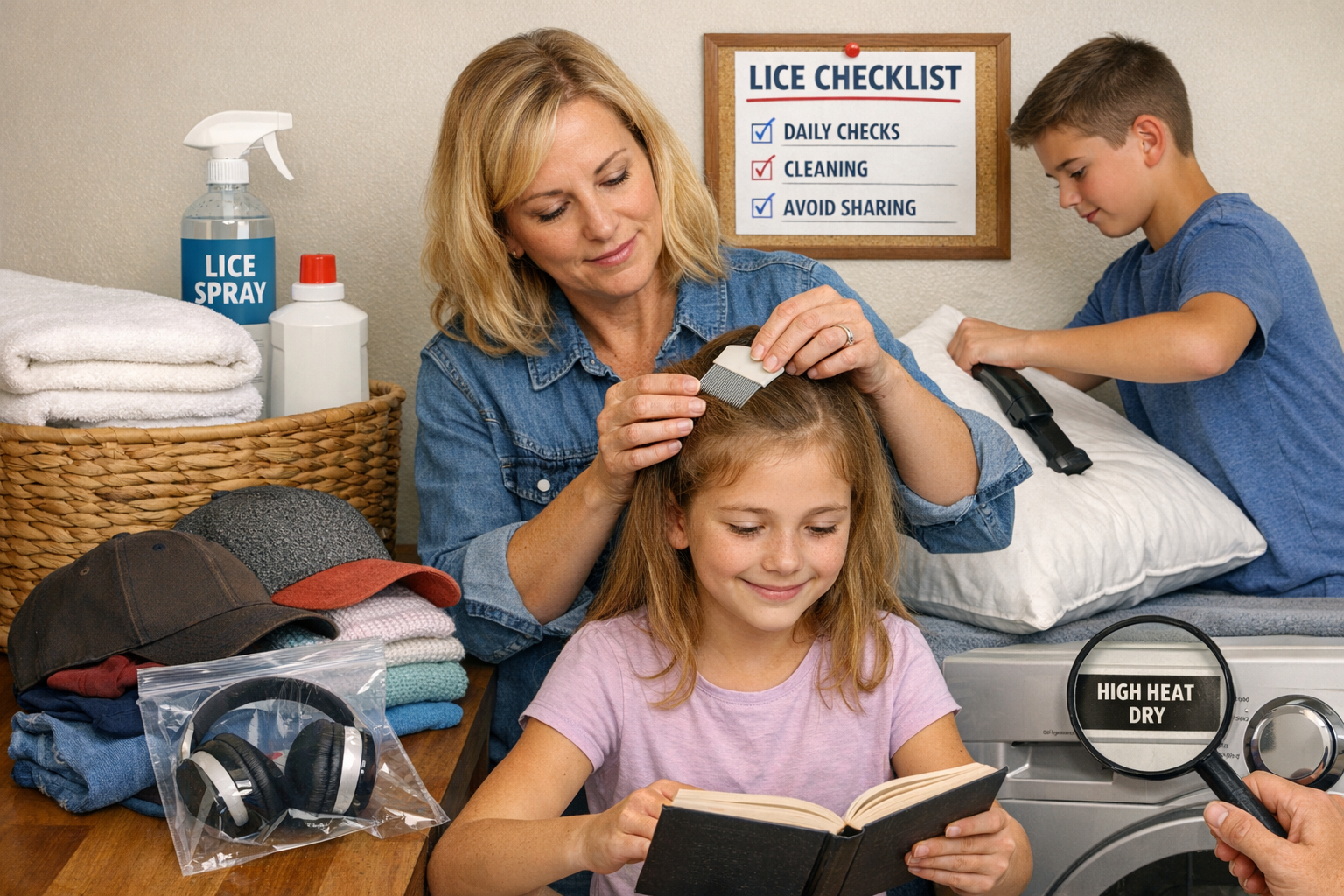
After treatment, families should be proactive in preventing reinfestation to ensure the effectiveness of the lice removal process. This involves understanding post-treatment care and implementing effective strategies.
What Are Effective Post-Treatment Care and Combing Plans?
Effective post-treatment care includes:
Regular Combing: Continue to comb hair every 2-3 days for at least two weeks to catch any remaining nits or newly hatched lice.
Cleaning Bedding and Clothing: Wash all bedding, clothing, and personal items in hot water (at least 130°F/54°C) and dry on high heat to eliminate any lingering lice or nits.
Monitoring for Symptoms: Keep an eye out for any signs of lice reappearance, such as itching or visible lice.
These steps are crucial for ensuring that the treatment remains effective and that families can avoid future infestations.
How Can Families and Schools in Atlanta Prevent Future Lice Outbreaks?
Preventing future lice outbreaks requires a community effort. Families and schools can implement several strategies:
Education: Informing children and parents about lice prevention and the importance of not sharing personal items.
Regular Checks: Conducting regular head checks in schools to catch infestations early.
Community Resources: Utilizing local resources, such as Lice Happens Atlanta, for education and support in managing lice.
By working together, families and schools can create a supportive environment that minimizes the risk of lice outbreaks and promotes effective management strategies.

Facebook
LinkedIn
Instagram
TikTok