Lice vs Dandruff: How To Tell The Difference
Lice vs Dandruff: How To Tell The Difference for Accurate Identification and Treatment

Understanding the difference between lice and dandruff is crucial for effective treatment and management. Many people often confuse these two scalp conditions, leading to misdiagnosis and inappropriate treatments. This article will provide a comprehensive overview of lice and dandruff, including their definitions, symptoms, and treatment options. By accurately identifying these conditions, individuals can take the necessary steps to address their specific needs. We will explore the characteristics of head lice and dandruff, how to identify them, their symptoms and causes, self-check methods, effective treatment options, and prevention strategies.
What Are Head Lice and Dandruff? Understanding the Basics
Head lice and dandruff are common scalp conditions that can cause discomfort and concern.
What Are Head Lice? Tiny Parasites Causing Itching and Contagion
Head lice, scientifically known as Pediculus humanus capitis, are tiny parasitic insects that infest the scalp and hair. They feed on human blood, leading to intense itching and irritation. Lice are highly contagious and can spread through direct head-to-head contact or by sharing personal items like hats and hairbrushes. The life cycle of head lice includes three stages: eggs (nits), nymphs, and adult lice. Nits are often mistaken for dandruff but are firmly attached to the hair shaft, making them distinguishable.
What Is Dandruff? Common Scalp Condition with Flaky Skin
Dandruff, on the other hand, is a common scalp condition characterized by the shedding of dead skin cells. It can be caused by various factors, including dry skin, seborrheic dermatitis, or sensitivity to hair products. Dandruff typically presents as white or yellow flakes that can be seen on the scalp and shoulders. Unlike lice, dandruff is not contagious and is often accompanied by itching and irritation. Understanding these basic definitions is essential for differentiating between the two conditions.
How To Identify Head Lice vs Dandruff: Key Differences Explained
What Are the Appearance Differences Between Nits and Dandruff Flakes?

The appearance of nits and dandruff flakes varies significantly. Nits are oval-shaped, usually yellow or white, and are firmly attached to the hair shaft, making them difficult to remove. In contrast, dandruff flakes are larger, irregularly shaped, and can easily fall off the scalp. While nits are often found close to the scalp, dandruff flakes can be scattered throughout the hair and on clothing. This visual distinction is key in identifying the correct condition.
Where Are Lice Eggs and Dandruff Typically Found on the Scalp and Hair?
Lice eggs, or nits, are typically found near the scalp, particularly behind the ears and at the nape of the neck. They are glued to the hair shaft, making them hard to remove. Dandruff, however, can be found all over the scalp and may also fall onto the shoulders. Understanding these locations can help in accurately diagnosing the issue.
What Are the Symptoms and Causes of Lice vs Dandruff?

How Do Lice Symptoms Like Intense Itching and Crawling Sensation Present?
The primary symptom of a lice infestation is intense itching, which occurs due to an allergic reaction to lice bites. Individuals may also experience a crawling sensation on the scalp, which can be quite distressing. Other symptoms may include red or irritated skin on the scalp and the presence of nits. Recognizing these symptoms early can help in seeking appropriate treatment.
What Causes Dandruff and Its Typical Symptoms Compared to Lice?
Dandruff is often caused by dry skin, seborrheic dermatitis, or an overgrowth of a yeast-like fungus called Malassezia on the scalp. Symptoms include flaky skin, itching, and sometimes redness or irritation. Unlike lice, dandruff does not cause a crawling sensation. Understanding these differences in symptoms and causes is essential for effective management.
How To Perform a Self-Check for Head Lice and When To Seek Professional Help
What Is the Step-by-Step Guide to Checking for Lice and Nits at Home?
To check for lice at home, follow these steps:
Gather Supplies: Use a fine-toothed comb, a bright light, and a magnifying glass if necessary.
Section the Hair: Divide the hair into small sections for thorough examination.
Inspect the Scalp: Look closely at the scalp, especially behind the ears and at the nape of the neck, for nits or adult lice.
Use the Comb: Comb through each section of hair to catch any lice or nits.
This method can help identify an infestation early, allowing for prompt treatment.
Indeed, expert sources emphasize the effectiveness of these diagnostic methods for identifying active infestations.
Head Lice Diagnosis: Visual Inspection & Wet Combing
The diagnosis of head lice infestation is made through visual inspection of the hair and the scalp or by dry/wet combing. The choice of the method essentially depends whether the examiner aims at the detection of active infestation – presence of trophic stages and/or viable eggs 7ndash; or wants to identify a historical infestation (presence only of nits/dead eggs). For the latter purpose, visual inspection of the hair at five predilection sites (temples, behind the ears, neck) is the method of choice (sensitivity 80% - 90%). The optimal method for the diagnosis of active head lice infestation is wet combing with a sensitivity ≥ 90%, even in children with a low infestation intensity. In resource-pour settings, where pediculosis capitis is very common and infestation intensity is high, self-diagnosis by affected individuals or their caretakers is an accurate alternative.
Diagnosis of head lice infestations: an evidence-based review, 2010
When Should You Contact a Professional Lice Removal Service in Atlanta?
If you find lice or nits during your self-check, it may be time to contact a professional lice removal service. Signs that indicate professional help is needed include a severe infestation, difficulty in removing nits, or if the infestation persists despite home treatment. Professional services, like Lice Happens Atlanta, offer effective, non-toxic treatments with a high success rate, ensuring peace of mind for families.
What Are Effective Treatment Options for Lice and Dandruff?
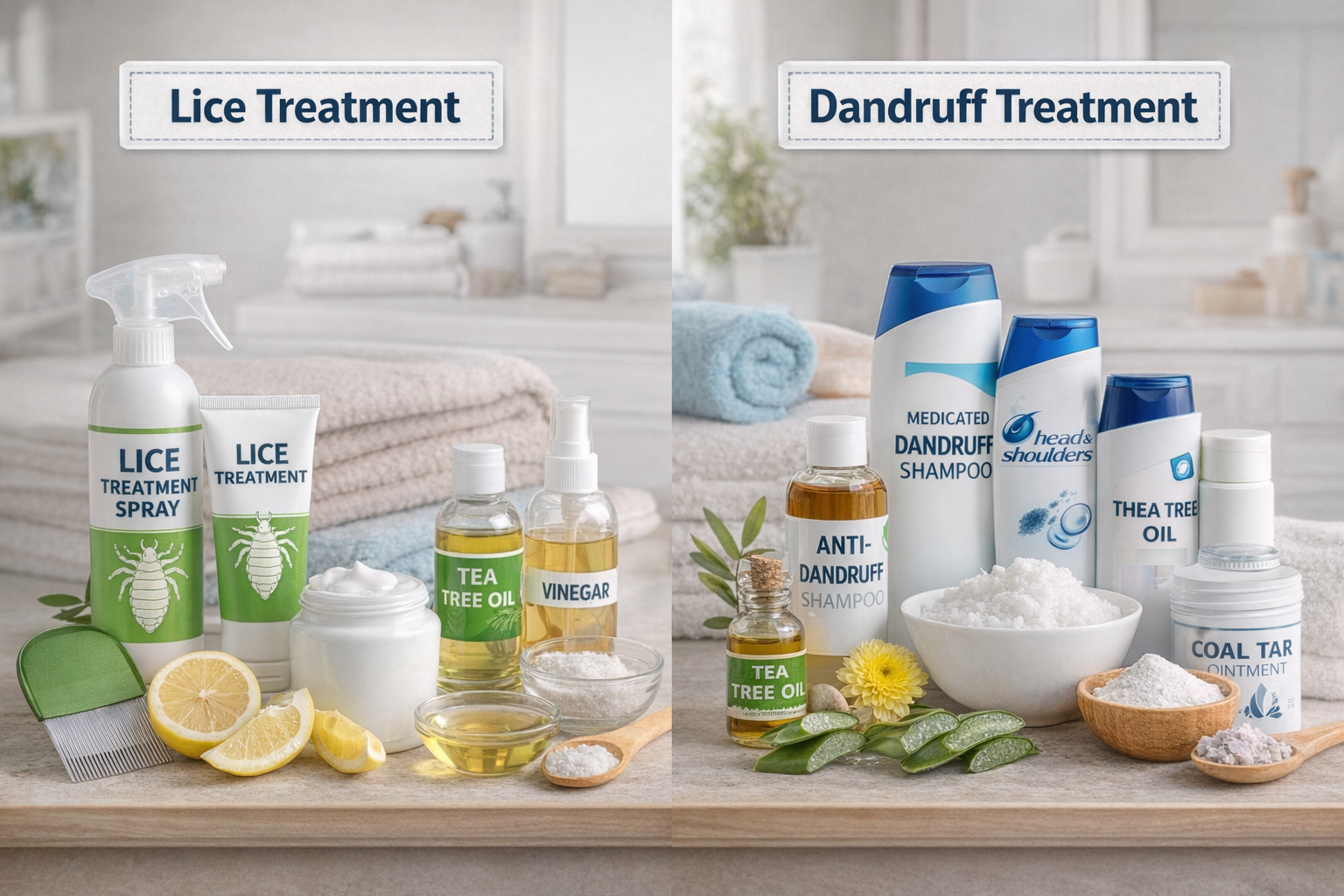
How Do Over-the-Counter and Home Remedies Differ for Treating Dandruff?
Over-the-counter treatments for dandruff often include medicated shampoos containing ingredients like zinc pyrithione, ketoconazole, selenium sulfide, or salicylic acid. Home remedies, such as tea tree oil or apple cider vinegar, may also provide relief. However, the effectiveness of these remedies can vary, and it may take time to see results.
Why Is Professional In-Home Lice Removal Often the Best Solution for Atlanta Families?
Professional in-home lice removal is often the best solution for Atlanta families because it offers convenience, a high success rate, and is provided by trained professionals. Lice Happens, for example, has a reported 95% first-visit success rate and has served over 10,000 families since 2015. Additionally, they are a BBB Accredited Business with an A+ rating, ensuring trust and reliability. Same-day and evening appointments are also available, making it easier for families to address lice infestations promptly.
Further research supports the efficacy of targeted treatments and proper diagnostic techniques for managing head lice infestations.
Head Lice Symptoms, Diagnosis & Effective Treatments
Symptoms arise 4–6 weeks after an initial infestation; many affected persons have no symptoms at all. Wet combing is the most sensitive method of establishing the diagnosis and monitoring treatment. Resistance to neurotoxic pediculocidal drugs is increasing around the world. Dimethicones are the treatment of choice, with 97% efficacy.
Head lice: Epidemiology, biology, diagnosis, and treatment, 2016
Treatment OptionTypeEffectivenessNotesOver-the-Counter ShampoosDandruffModerateContains active ingredients for scalp healthHome RemediesDandruffVariableNatural options like tea tree oilProfessional Lice RemovalLiceHighNon-toxic, effective, and convenient
How To Prevent Future Lice Infestations and Maintain a Healthy Scalp
What Are Practical Tips for Preventing Head Lice in Atlanta Families and Schools?
To prevent head lice, families and schools can implement the following strategies:
Education: Teach children about lice and how they spread.
Avoid Sharing Personal Items: Discourage sharing hats, hairbrushes, and other personal items.
Regular Checks: Conduct regular checks for lice, especially after known outbreaks.
These preventive measures can significantly reduce the risk of lice infestations in schools and homes.
How Can Regular Scalp Care Help Manage Dandruff and Avoid Misdiagnosis?
Regular scalp care is essential for managing dandruff. This includes:
Using Medicated or Moisturizing Shampoos: Choose shampoos that hydrate the scalp and contain active ingredients to control flaking.
Avoiding Harsh Products: Limit the use of hair products that can irritate the scalp.
Maintaining a Healthy Diet: A balanced diet can support overall scalp health.
By following these tips, individuals can maintain a healthy scalp and reduce the likelihood of misdiagnosing dandruff as lice.

Facebook
LinkedIn
Instagram
TikTok