Lice Removal Services in Atlanta, Georgia Metro Area

Professional Lice Removal Services in Atlanta Georgia Metro Area: Safe, Mobile, and Effective Treatment Solutions
Professional, in-home lice removal offers Atlanta families a safe, non-toxic alternative to over-the-counter pesticides by combining manual removal techniques with follow-up education to stop reinfestation. This article explains how mobile lice removal works across the Atlanta, Georgia metro area, why chemical-free approaches are preferred for children and sensitive households, and how structured comb-out protocols and follow-up plans deliver reliable results. Many caregivers struggle with ineffective OTC treatments, unpredictable "super lice" resistance, and the logistics of clinic visits; professional mobile services address these problems by bringing trained technicians into the home and using proven comb-out strategies. Readers will learn the benefits of mobile treatment, the safety rationale for non-toxic methods, what guarantees and protocols reputable providers use, and practical prevention and school re-entry guidance for Atlanta families. The following sections cover benefits of mobile care, reasons to choose non-toxic lice removal, how guarantees and procedural standards work, and actionable prevention and school-policy information for local caregivers.
What Are the Benefits of Mobile Lice Removal Services in Atlanta?
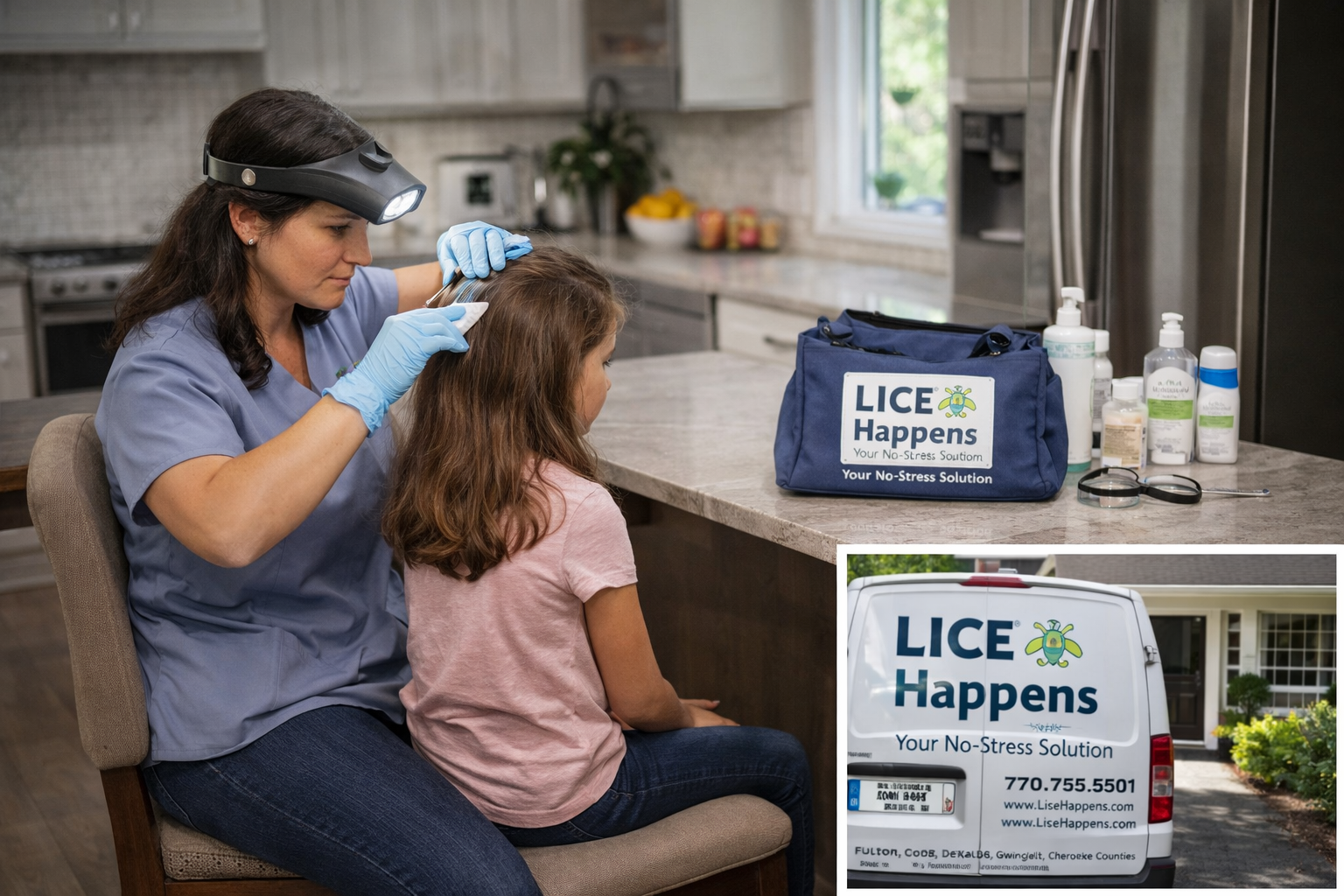
Mobile lice removal services bring trained technicians to your home to provide targeted head lice treatment that minimizes household disruption and reduces spread during transport. The mechanism is simple: a trained specialist performs a systematic manual comb-out to remove live lice and nits, which directly reduces infestation load and shortens overall treatment time. Key benefits include convenience, privacy, higher first-visit effectiveness, and lower re-treatment rates compared with unsupervised DIY attempts. These practical advantages matter during school weeks and work schedules, and they naturally lead to questions about appointment flow and clinical effectiveness in comparison to OTC options.
Mobile/in-home services also make scheduling easier and prevent public exposure during transit. Lice Happens operates a mobile, RN-founded service across Fulton, Cobb, DeKalb, Gwinnett, and Cherokee counties, using flat-rate pricing and discreet, in-home appointments to deliver professional comb-out care while preserving family privacy.
This list highlights primary benefits for quick reference.
Convenience: A specialist arrives at home so families avoid travel and waiting rooms.
Privacy: In-home treatment protects family discretion and reduces stigma.
Effectiveness: Manual comb-out removes live lice and nits for higher success.
Time-savings: Appointments are efficient and limit days missed from school or work.
Reduced spread: No transport of lice between households, lowering community transmission.
These benefits emphasize why many caregivers prefer mobile removal and set up the next topic: what to expect during an in-home appointment.
How Does In-Home Lice Treatment Provide Convenience and Privacy?
In-home lice treatment typically begins with a brief assessment, followed by sectioning the hair and a methodical comb-out using fine-tooth combs under bright light. The process usually takes under three hours depending on hair length and infestation severity, allowing treatment without multiple clinic visits and fitting into a family’s day. Families should prepare a clean seating area and provide good lighting; technicians bring specialized combs and education materials. This in-home workflow preserves privacy and moves naturally into why manual combing outperforms many OTC solutions.
What Makes Mobile Lice Removal More Effective Than OTC Treatments?
Manual, professional comb-out directly removes live lice and attached nits, addressing the infestation at its physical source rather than relying on chemical lethality alone. Super lice have developed resistance to common pesticide-based OTC products, so relying on chemicals often leads to treatment failure and repeated applications. Professional technicians pair comb-out skills with a scheduled follow-up plan, which interrupts the life cycle and reduces reinfestation risk. Understanding resistance dynamics explains why many families choose technician-led comb-out protocols over repeated OTC use.
Why Choose Non-Toxic and Chemical-Free Lice Treatment in Atlanta?
Non-toxic, chemical-free lice treatment eliminates pesticide exposure while achieving effective physical removal, making it the preferred approach for young children, nursing caregivers, and households with sensitivities. The mechanism relies on mechanical removal and, when used, gentle enzyme-based adjuncts that do not depend on neurotoxic pesticides, so treatment remains effective against pesticide-resistant "super lice." Choosing non-toxic care reduces scalp irritation and allows safe repeated use during outbreaks, and it naturally raises questions about comparative effectiveness and safety profiles.
Research further supports the need for non-toxic alternatives due to the growing issue of pesticide resistance in head lice.
Non-Toxic Alternatives for Lice Treatment & Resistance
Pediculosis capitis has been treated by methods that include the physical remotion of lice, various domestic treatments and conventional insecticides. None of these methods render complete protection, and there is clear evidence for the evolution of resistance and cross-resistance to conventional insecticides. Non-toxic alternative options are hence needed for head lice treatment and/or prevention,
Plant extracts and their components as potential control agents against human head lice, C Rossini, 2008

This table shows that manual, non-toxic methods offer the best balance of safety and efficacy for pediatric lice removal, which leads to practical safety considerations in homes.
How Does Non-Toxic Treatment Ensure Safety for Children and Families?
Non-toxic approaches prevent chemical absorption through the scalp and reduce allergic or irritant reactions, which is particularly important for infants, children with asthma, or families with chemical sensitivities. Mechanical removal avoids repeated pesticide applications that can accumulate and cause discomfort, and adjunct enzyme products when used are selected for low irritation. Families concerned about safety should prioritize providers who emphasize non-toxic protocols and caregiver education, which naturally brings up the impact of 'super lice' on treatment selection.
What Is the Impact of 'Super Lice' on Treatment Choices?
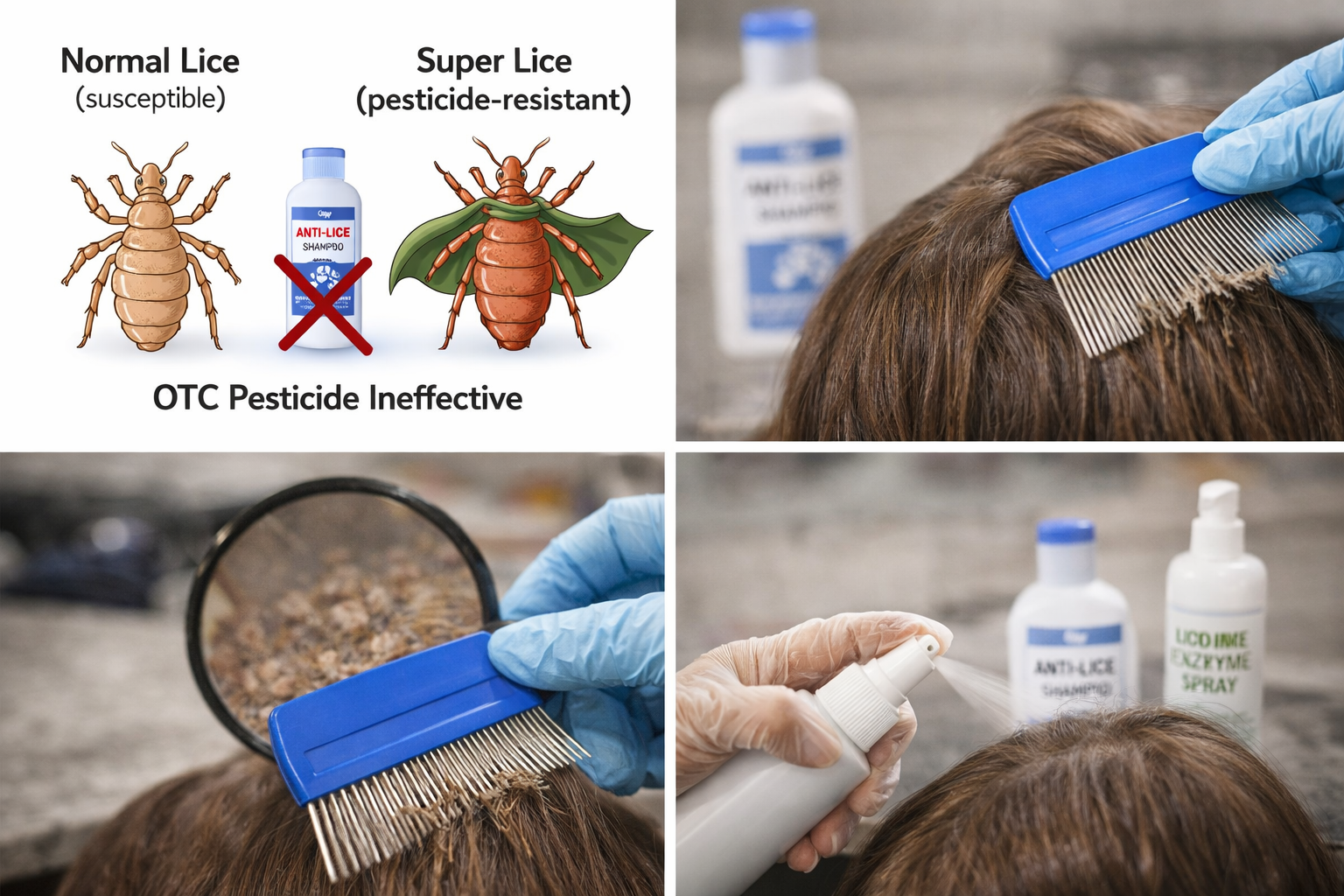
“Super lice” are lice populations with genetic resistance to common pesticide treatments, and recent surveillance has shown increasing prevalence that undermines many OTC product outcomes. Because resistance affects chemical efficacy, physical removal strategies like manual comb-out or enzyme-assisted treatments bypass biochemical resistance entirely. This resistance pattern is a major reason families and practitioners favor non-toxic, hands-on removal rather than repeated chemical regimens, and it frames why structured follow-up is essential for eradication.
How Does Lice Happens Guarantee Successful Lice Removal in Atlanta?
A clear guarantee rests on three proof points: a trained, manual 6-step comb-out performed during visits, a structured 14-day combing plan for follow-up, and documented high first-visit success rates reported by providers. Such guarantees typically require family compliance with follow-up combing and household checks to maintain the outcome, and they combine protocol, education, and verification to deliver results. The credibility of a guarantee improves when paired with professional oversight and transparent expectations for families.

This table summarizes how a structured process and family cooperation underpin guarantees and leads into a brief stepwise outline of the comb-out.
Initial Assessment: Technician inspects hair and documents infestation severity.
Sectioning: Hair is divided into manageable segments for thorough access.
Systematic Combing: Fine-tooth combs remove live lice and nits from each section.
Verification: Re-checks confirm removal and identify any missed areas.
Removal & Disposal: Captured lice and nits are removed from the environment.
Education: Caregivers receive instructions for the 14-day combing plan and household checks.
These steps explain the on-site process and transition to why the 14-day schedule matters for life-cycle interruption.
What Is the 6-Step Manual Comb-Out Process Used by Specialists?
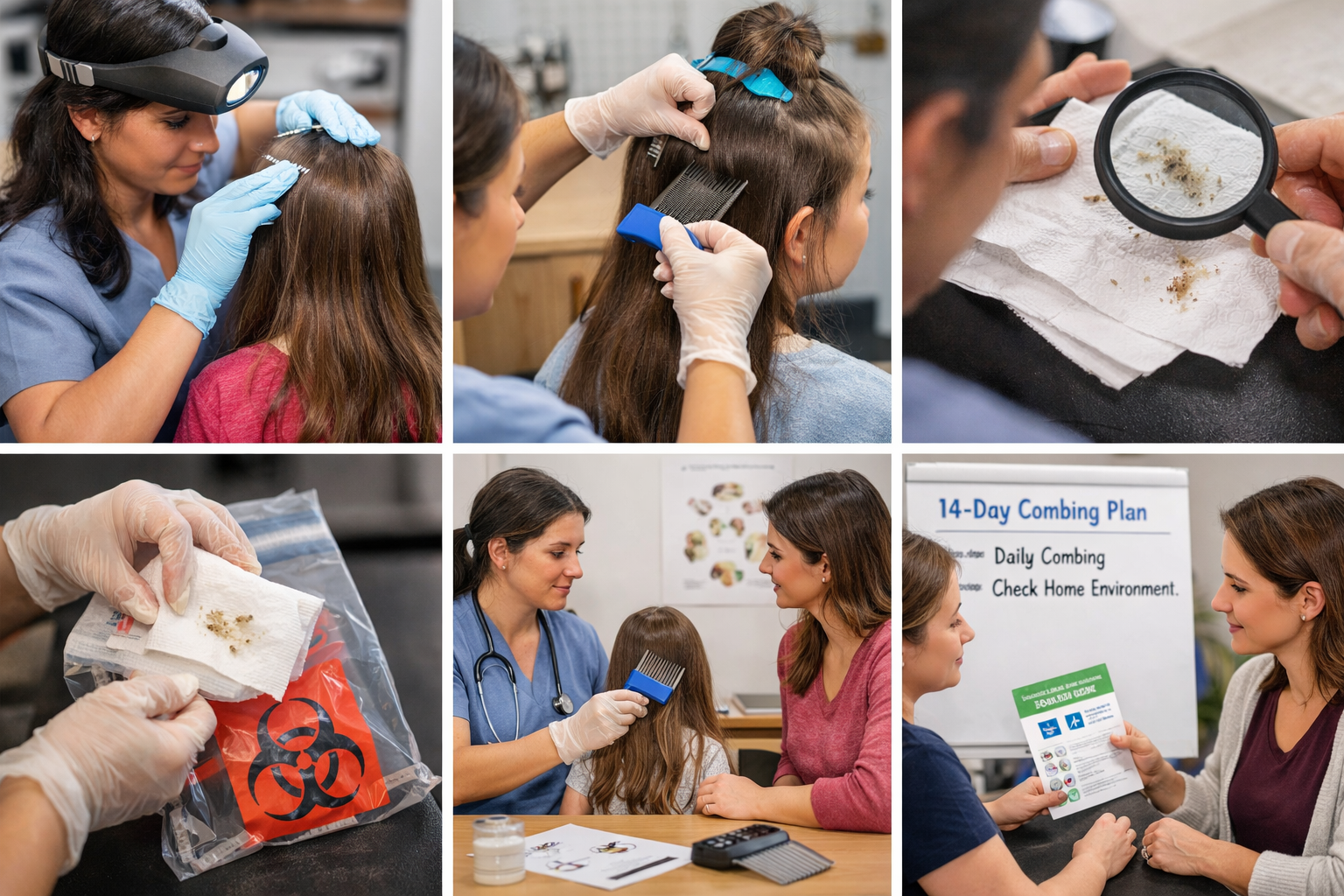
The 6-step process begins with a professional head check and ends with caregiver education, ensuring each phase links to the next for comprehensive removal. Technicians use systematic sectioning and repeated combing, followed by verification sweeps to confirm no viable lice remain; captured material is removed to prevent reintroduction. The final phase trains caregivers on follow-up combing and environmental precautions, which directly connects to the rationale for a 14-day combing plan that interrupts the lice life cycle.
How Does the 14-Day Combing Plan Ensure Complete Lice Eradication?
Lice eggs normally hatch within about 7–10 days, so a 14-day combing schedule targets newly hatched nymphs before they reach reproductive maturity. Regular combing on days 7 and 14 catches late hatchers and prevents re-establishment, and family-wide checks reduce the chance of missed carriers. Clear caregiver compliance with the plan is typically a condition of any service guarantee, reinforcing the shared responsibility between provider and household.
What Should Atlanta Families Know About Lice Prevention and Education?
Effective prevention combines routine head checks, avoiding sharing of personal hair items, and prompt response when an infestation is suspected; education empowers caregivers to act quickly and reduce spread. Parents should learn how to identify nits versus dandruff, follow household laundry recommendations when needed, and understand that school return policies vary by district. These prevention basics prepare families to partner with professionals and reduce outbreak frequency.
Performing regular head checks is straightforward and can be taught to caregivers for consistent early detection.
How Can Parents Check for Head Lice and Nits Effectively?
Set up good lighting and use a fine-tooth comb and magnifier if needed, working in small sections and combing each section from scalp to ends. Look for live movement and oval, firmly attached nits within a quarter-inch of the scalp; long hair benefits from detangling first to ensure thorough combing. If checks reveal live lice or many nits, schedule professional removal and check household contacts promptly. These practical checking techniques segue into how school policies affect return-to-school decisions.
What Are the Local School Policies and Return-to-School Guidelines?
School districts in the Atlanta metro area vary between "no-nit" and symptom-based return policies, so families should consult their district nurse for exact requirements and acceptable documentation. Professional treatment records and a documented follow-up combing plan often assist re-entry when schools request verification, and prompt communication with schools reduces absentee disputes. Parents should gather treatment notes and be prepared to demonstrate compliance with recommended combing timelines when coordinating return to school.

Facebook
LinkedIn
Instagram
TikTok