
Nits but No Lice? What Parents Should Do Next
Lice Eggs but No Live Lice? What Parents Should Do Next
Finding tiny specks attached to your child’s hair can immediately raise questions. Are they lice eggs? Is there an active infestation? And if you see nits but no lice crawling through the hair, do you actually need to treat?
The good news is that finding possible nits does not always mean you are looking at an active case of head lice. Old or hatched nits can remain attached to hair, and dandruff, product residue, dirt, and other material can sometimes be mistaken for lice eggs.
Knowing what to look for and what to do next can help you make a more informed decision before beginning treatment.
Can You Have Nits Without Live Lice?
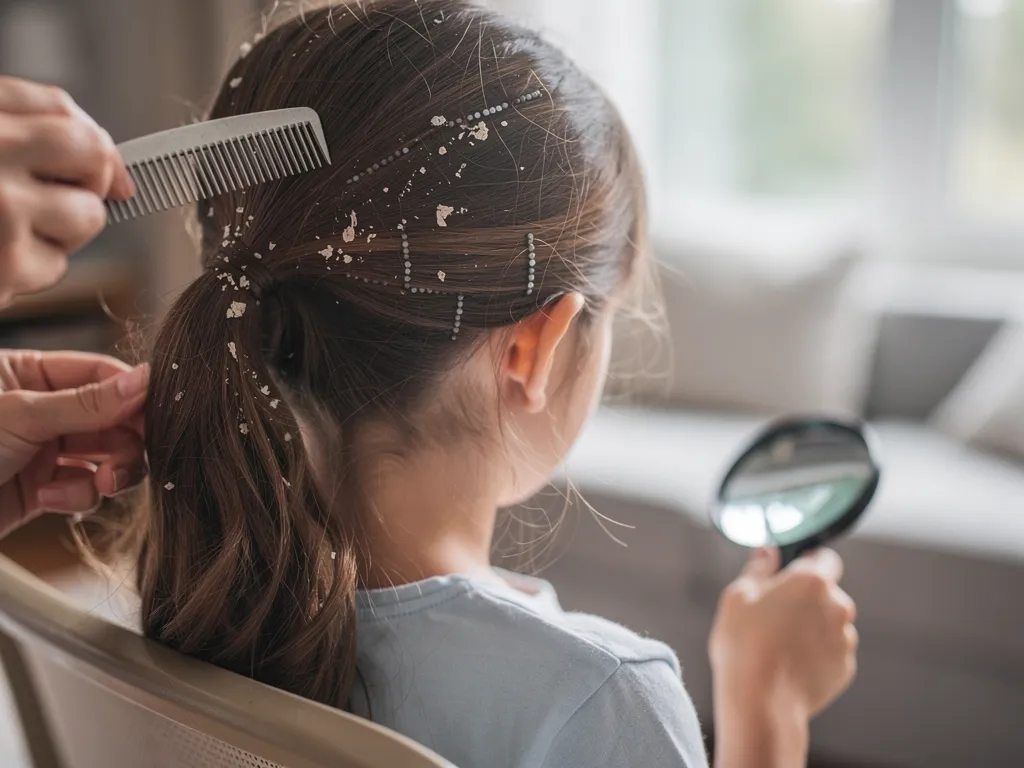
Yes. It is possible to find nits attached to the hair without finding crawling lice. Nits farther from the scalp may be old, hatched, or dead, while dandruff and other hair debris can also be mistaken for lice eggs. Finding a live nymph or adult louse is the clearest evidence of an active head lice infestation.
That distinction matters because treating something that is not an active lice infestation can create unnecessary stress and expense.
If you are unsure what you have found, focus first on careful identification rather than immediately assuming treatment is necessary.
Does Finding Nits Mean You Have an Active Lice Infestation?
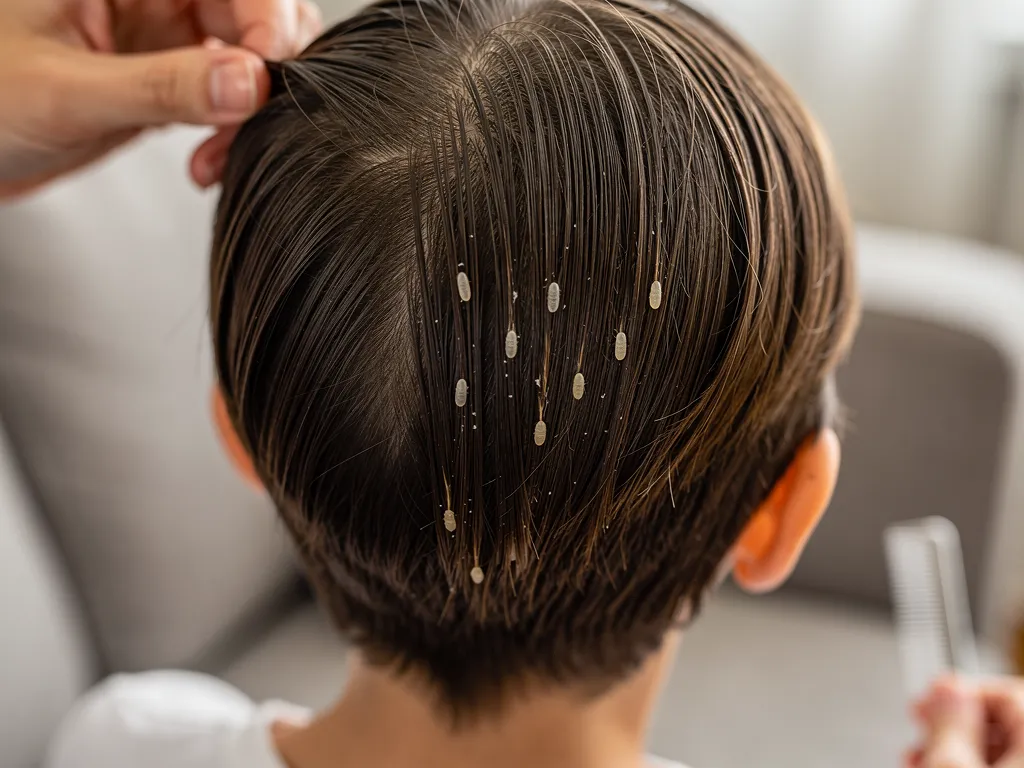
Understanding the **head lice life cycle** can also help explain why eggs may remain attached to the hair even when parents cannot immediately find a crawling louse.
The location of a suspected nit can provide an important clue. The CDC advises looking closely for nits that are firmly attached within about ¼ inch of the base of the hair shaft when no crawling lice can be found.
Nits attached more than ¼ inch from the scalp are almost always hatched or dead. If no live nymphs or adult lice are present and the only nits are farther from the scalp, the infestation is probably old and may not require treatment.
This is one reason a careful lice check is so important.
Why Can't I Find Any Live Lice?
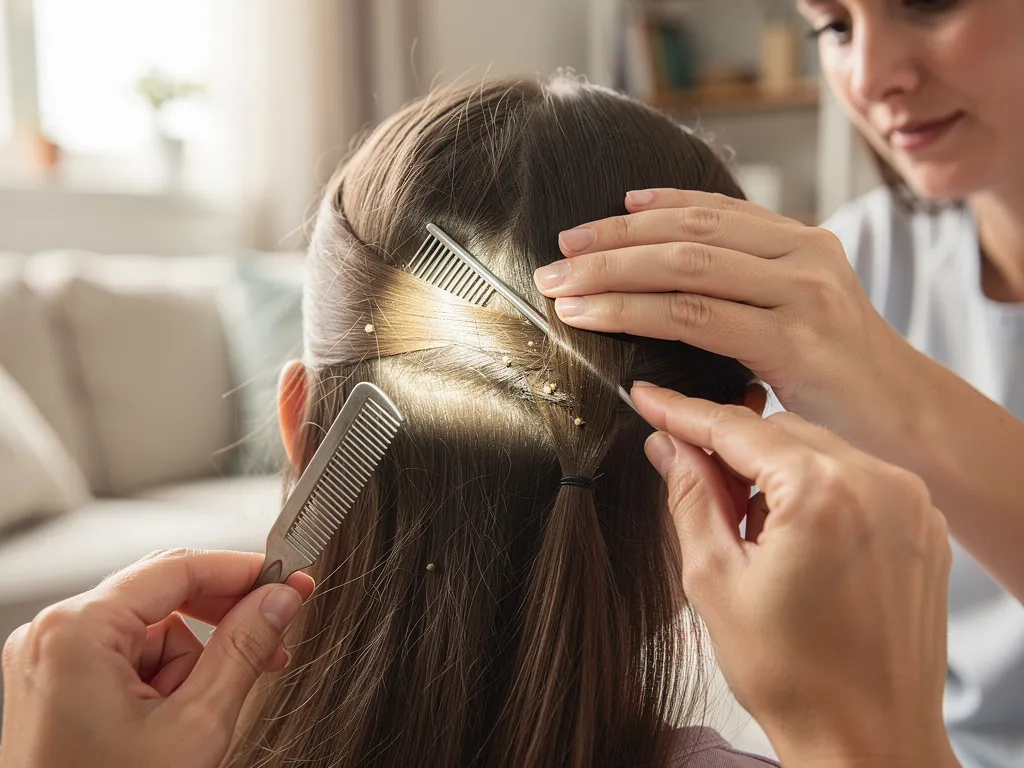
Live lice can be surprisingly difficult to spot.
Adult lice and nymphs are small, move quickly, and tend to avoid light. That means a quick glance at the top of the hair may not be enough to determine whether an active infestation is present.
A fine-toothed lice comb can make checking easier.
Pay particular attention to areas where lice and nits are commonly found, including:
Behind the ears
Around the nape of the neck
Close to the scalp
Use bright lighting and work through the hair systematically rather than checking random sections.
Is It a Nit or Something Else?
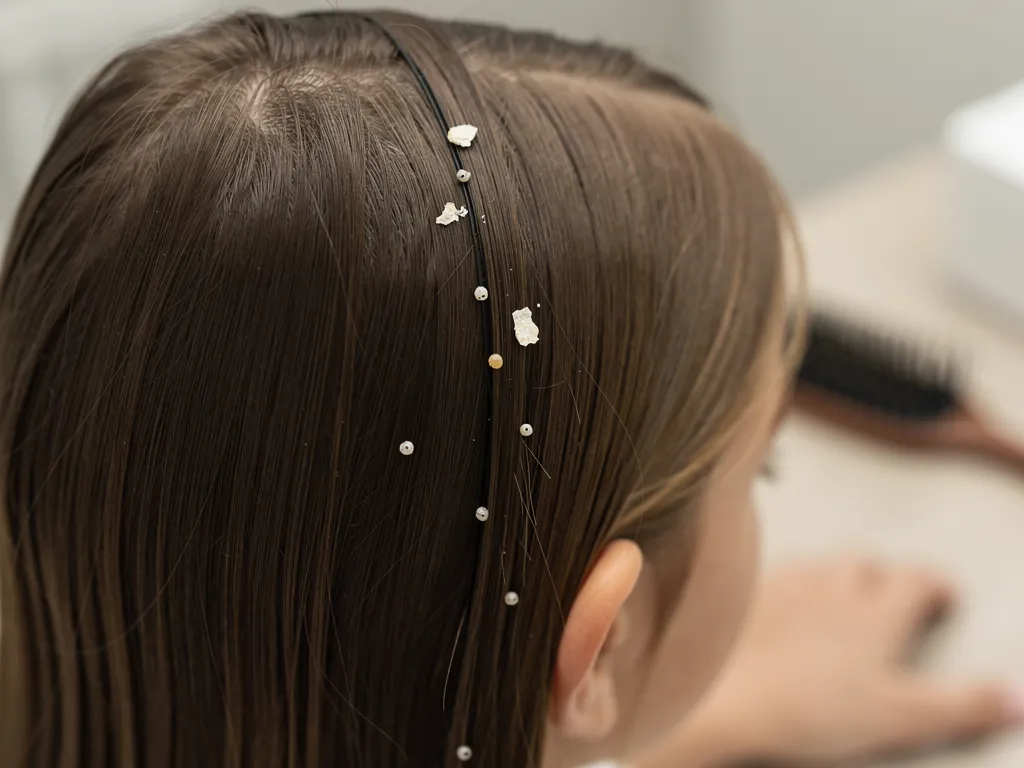
Nits can be confused with dandruff, dirt, hair-product residue, or other particles in the hair. If you're unsure what you're seeing, our lice vs dandruffguide explains the key differences in appearance, location, and attachment.
A true nit is attached firmly to the hair shaft. Dandruff and many types of debris are generally much easier to brush or move away.
If a white or light-colored speck falls away easily, it may not be a nit.
If something appears firmly attached to a single hair strand, examine it more carefully under bright light.
However, appearance alone is not always enough to determine whether an egg is viable, hatched, or dead. When there is uncertainty, a thorough lice check is more useful than trying to diagnose an infestation based only on the color of a speck.
What Should You Do If You Find Nits but No Lice?
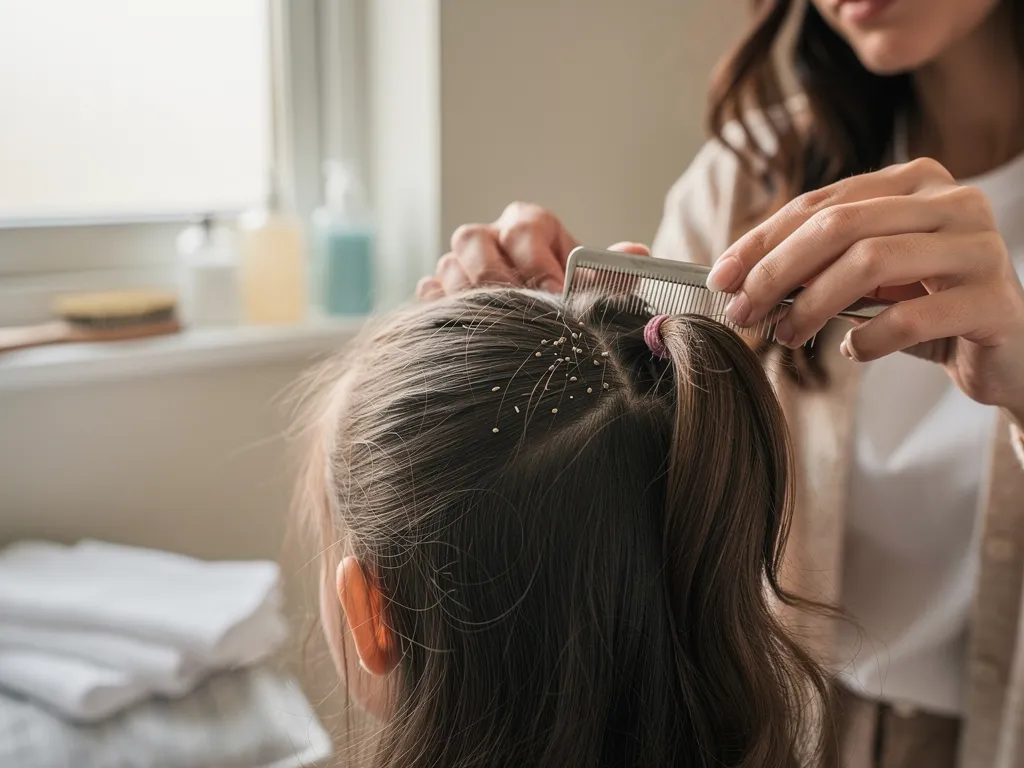
Start with a careful head check.
1. Check Close to the Scalp
Look for firmly attached nits near the base of the hair shaft, especially behind the ears and near the back of the neck.
Finding possible nits very close to the scalp deserves closer attention.
2. Look for Crawling Lice
Finding a live nymph or adult louse is the best way to confirm an active infestation.
Use bright lighting and a fine-toothed lice comb to work systematically through the hair.
3. Check Other Household Members
If you find crawling lice or suspected nits, check other household members and close contacts as well.
This can help identify another active case rather than treating one person while overlooking another.
4. Don't Automatically Assume Every White Speck Is a Nit
Dandruff and other material are frequently mistaken for lice eggs.
Confirm what you are seeing before deciding what to do next.
5. Get Help When You're Not Sure
If you cannot confidently determine whether your child has an active infestation, a professional lice screening can help confirm what you're seeing before you make treatment decisions.
Are Nits Contagious?
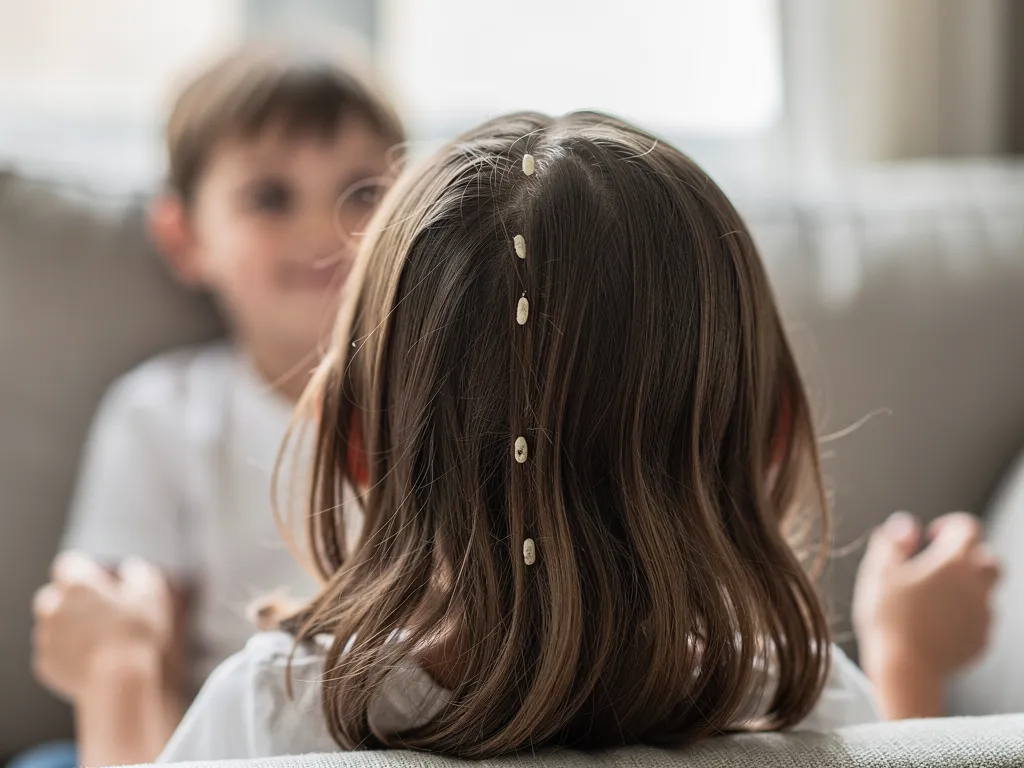
Nits themselves do not crawl, jump, or fly from one person's head to another.
Head lice spread primarily through direct hair-to-hair contact with a person who has an active infestation. Crawling lice are responsible for moving between people.
Nits are firmly attached to individual hair shafts, which makes them unlikely to transfer from one person to another.
That is an important distinction for parents who discover old nits but cannot find any live lice.
Should Everyone in the Family Be Checked?
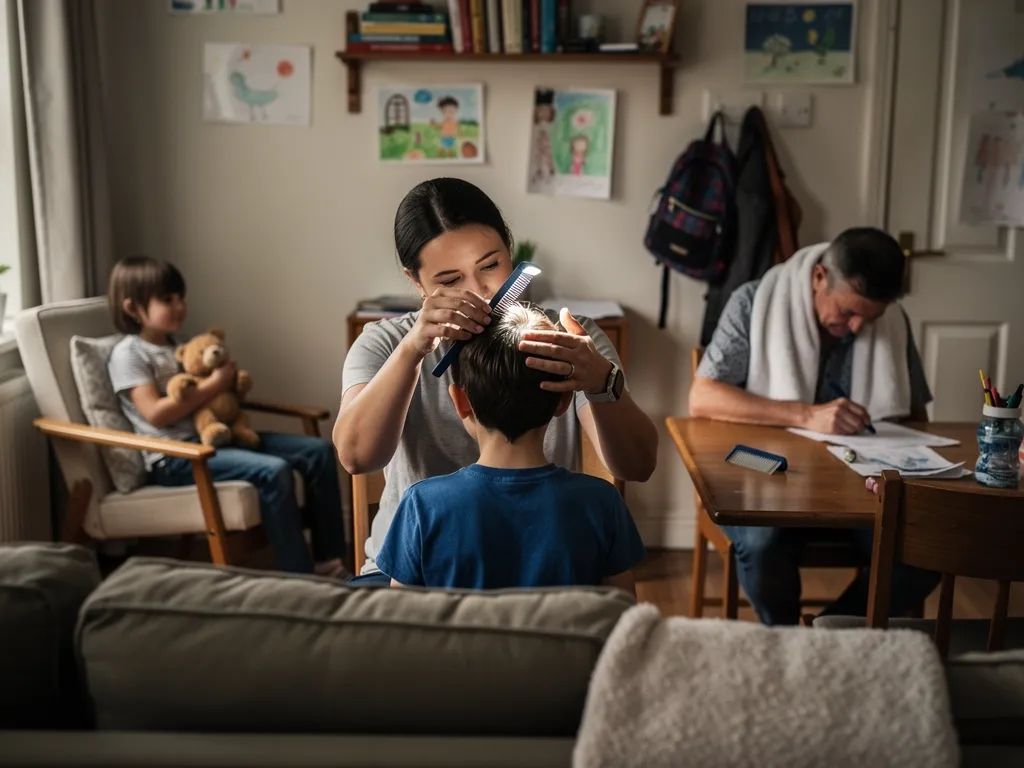
Yes, checking close household contacts is a sensible next step when head lice or suspected nits are discovered.
The goal, however, is not to automatically treat every family member.
Instead, carefully examine household members and identify who actually has evidence of an infestation. This helps families avoid unnecessary treatment while reducing the chance that an active case goes unnoticed.
Families should pay particular attention to children or household members who have frequent close head-to-head contact.
Does a Child With Nits Have to Stay Home From School?

School requirements can vary, so parents can also review our **Atlanta school lice policies** guide for more information about school attendance and local policies.
Should You Treat If You Only Find Nits?
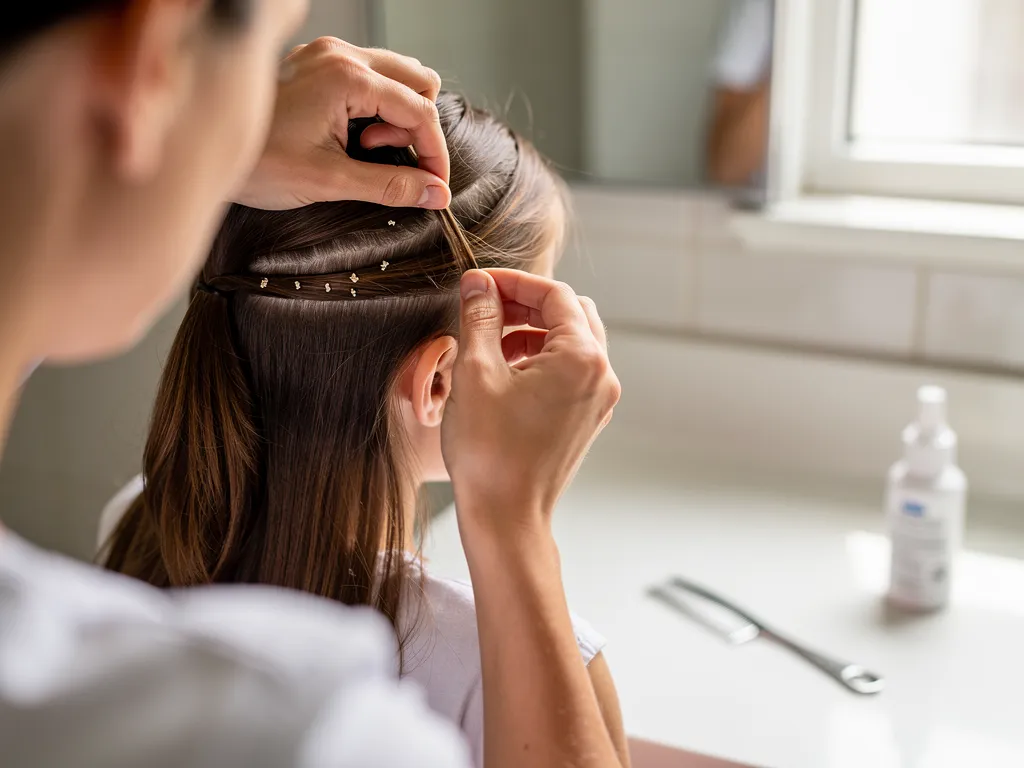
The answer depends on what was actually found.
If you find crawling lice, there is clear evidence of an active infestation.
The CDC also recommends attention to nits found within approximately ¼ inch of the scalp. In contrast, when no crawling lice are found and the only nits are more than ¼ inch from the scalp, the infestation is probably old and may not require treatment.
Avoid repeatedly applying lice products simply because you continue to see old nits attached farther down the hair.
If treatment is needed, follow the directions for the specific treatment being used. Different products work differently, and some require retreatment while others do not.
If you are uncertain whether treatment is necessary, consult a healthcare professional or qualified lice professional rather than repeatedly treating based on guesswork.
What If Lice Are Still Found After Treatment?
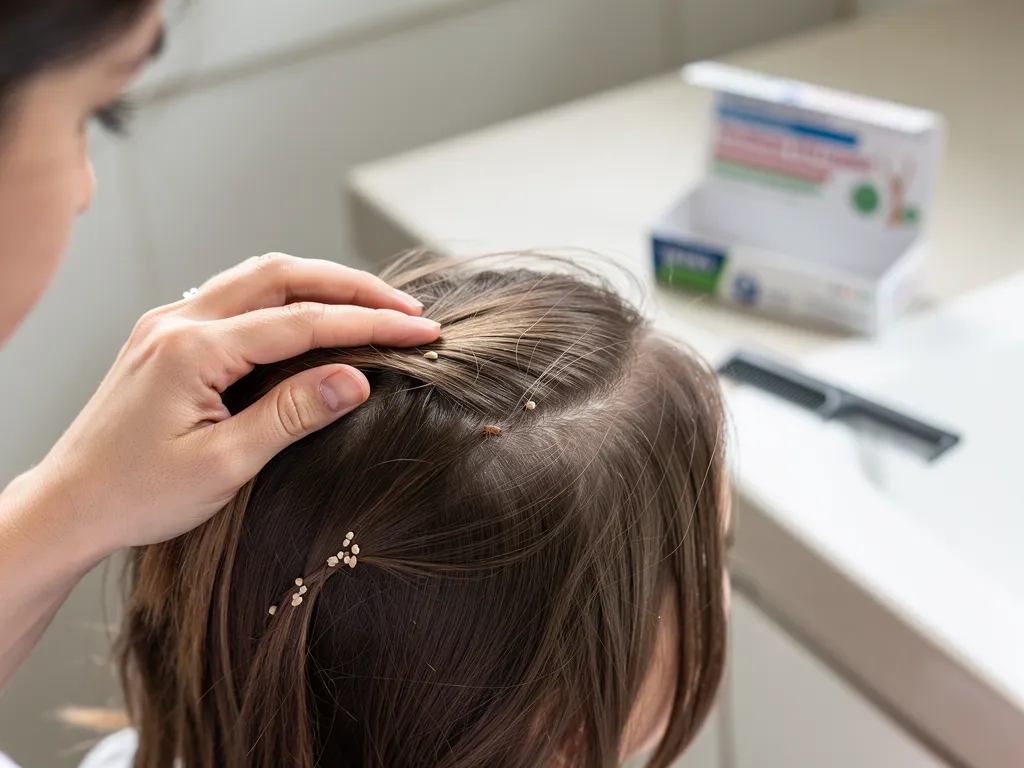
Seeing something in the hair after treatment does not automatically mean the treatment failed.
Nits can remain attached to hair after successful treatment.
If live crawling lice remain, however, the situation deserves another look. Treatment failure can occur for several reasons, including incorrect diagnosis, improper use of a treatment, resistance to a medication, or reinfestation.
Do not repeatedly use the same medication beyond its directions simply because you are worried about remaining nits.
Professional Lice Screening for Atlanta Families
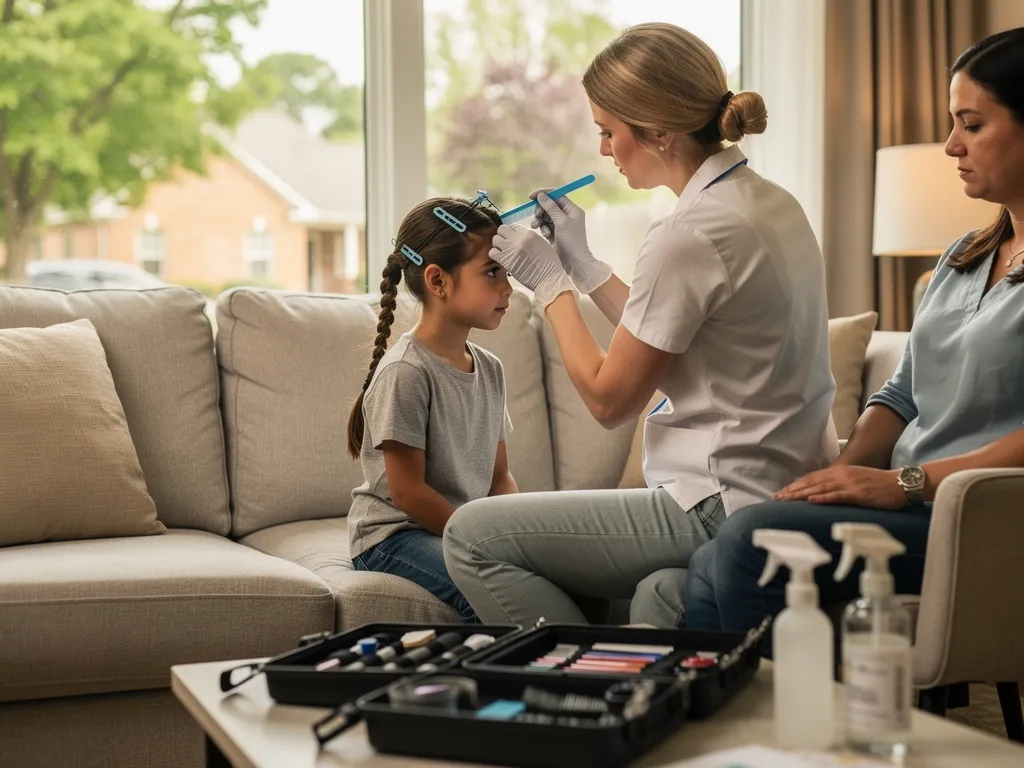
Still unsure whether you're seeing active lice or old nits? Lice Happens GA provides mobile, in-home lice help throughout Metro Atlanta. **Schedule an appointment** or call 770-776-7913 for help determining the right next step.
Lice Happens GA has served 10,000+ families since 2015 and provides service throughout Atlanta, Alpharetta, Brookhaven, Buckhead, Decatur, Dunwoody, East Cobb, Johns Creek, Kennesaw, Marietta, Midtown, Milton, Roswell, Sandy Springs, Smyrna, and Woodstock.
Frequently Asked Questions
What does it mean if I find nits but no live lice?
It can mean several things. The nits may be old, hatched, or dead, or what looks like a nit may actually be dandruff or another type of hair debris. If you cannot find crawling lice, pay particular attention to whether suspected nits are firmly attached close to the scalp.
Can you have nits without having active lice?
Yes. Old or hatched nits can remain attached to hair after an infestation is no longer active. Finding a live nymph or adult louse is the best evidence of an active infestation.
How can I tell whether something is a nit or dandruff?
Nits are firmly attached to individual hair shafts, while dandruff and many other particles tend to move or brush away more easily. Because misidentification is possible, don't rely on color alone.
Are dead or hatched nits contagious?
Nits do not crawl or jump between people. Head lice spread mainly when live crawling lice move through direct hair-to-hair contact.
Should I treat my child if I only see nits?
Don't automatically treat based on unidentified specks. If suspected nits are close to the scalp, perform a careful lice check. If you find live crawling lice, an active infestation is present. When you are uncertain, professional or healthcare guidance can help determine the appropriate next step.
Can my child attend school if nits remain in their hair?
CDC guidance does not support excluding children simply because nits remain after treatment. Georgia DPH also does not recommend a universal no-nit policy, although individual school policies may differ.

Facebook
LinkedIn
Instagram
TikTok