Head Lice Prevention Tips: How to Keep Your Family Lice-Free This School Year
Head Lice Prevention Tips: How to Keep Your Family Lice-Free This School Year
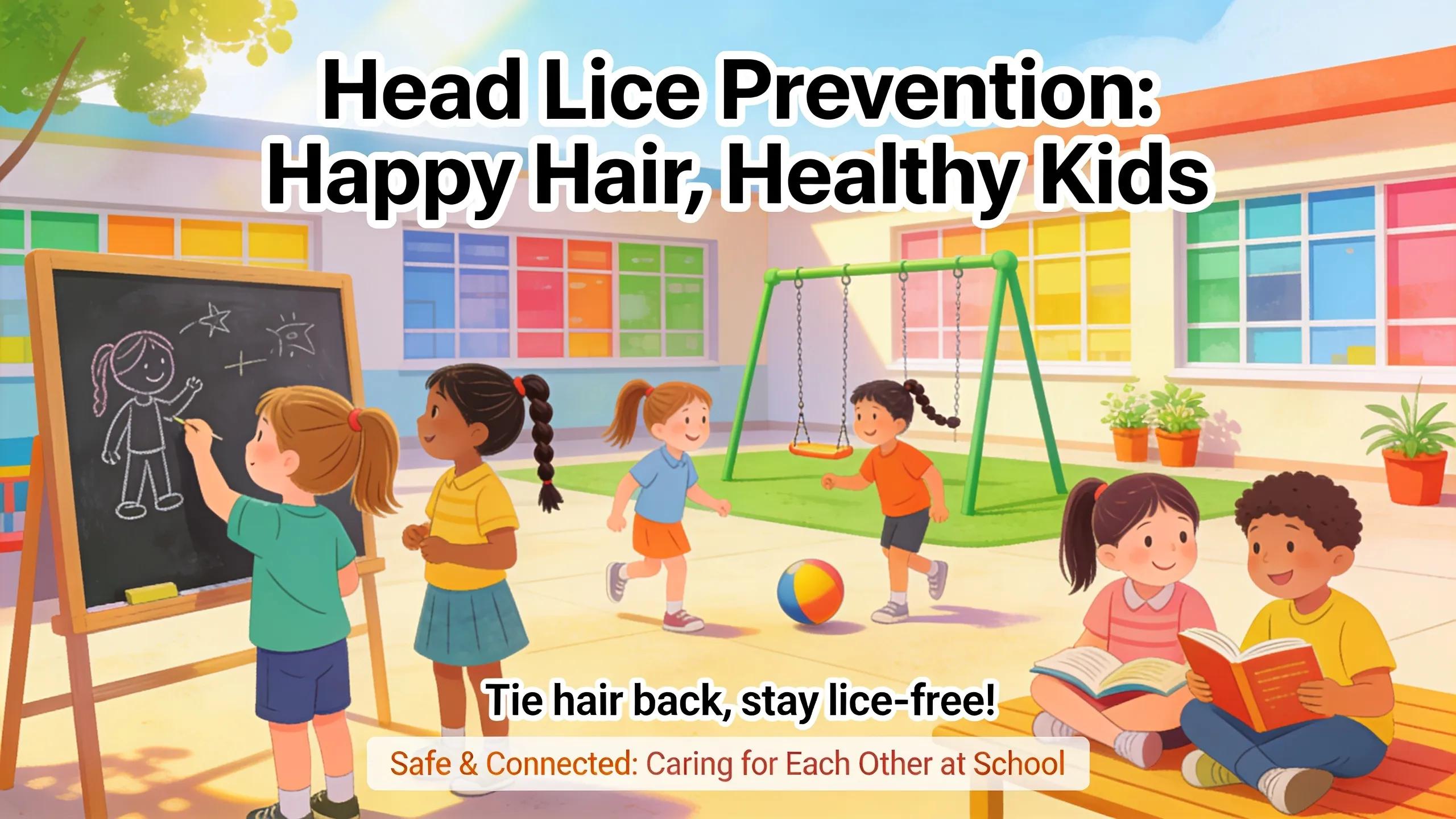
As the school year begins, the risk of head lice infestations increases, making effective prevention strategies essential for families. Head lice are small, parasitic insects that primarily affect children, causing itching and discomfort. In this article, you will learn practical tips for keeping your family lice-free, what to do if lice are found, and how to educate your children on prevention methods.
Recognizing the importance of proactive measures will help you combat infestations before they start. This guide encompasses preventive methods, treatment options, and essential signs of head lice, as well as discusses effective natural remedies tailored to ensure a safe and healthy environment for your children during the school year.
Preventive Methods:
Keeping your family lice-free involves employing several effective preventive methods. Start by ensuring that hair is kept tied back, which can minimize the risk of lice transfer. Moreover, discourage sharing personal items such as hats, combs, or towels, as lice can easily spread in such situations. Regular scalp checks also play a crucial role in early detection, allowing for prompt action if lice are found.
Incorporating the right preventive strategies not only protects individual family members but contributes to the broader community effort in managing head lice outbreaks. Companies like Lice Happens specialize in offering resources and solutions, helping families navigate infestation challenges effectively.
How Can You Prevent Head Lice Naturally and Safely?
When considering natural prevention methods, essential oils such as tea tree oil and lavender oil can provide effective lice repellent properties. Incorporate these oils into your family's hair care routine by adding a few drops to shampoos or using them in hair sprays. Additionally, making regular scalp checks a fun routine can encourage children to look out for lice. These proactive steps make it easier to maintain a lice-free environment naturally.
What Are the Common Signs of Head Lice Infestation?
The common signs of a head lice infestation include frequent itching of the scalp, visible lice or nits (lice eggs) attached to hair strands, and a sensation of movement in the hair. Increased scratching can lead to irritation and secondary infections. Familiarizing yourself with these signs can help in swift identification and management of lice problems should they arise.
Treatment Options:
If you discover that your family is dealing with a head lice infestation, various treatment options are available. Over-the-counter solutions are widely accessible, but professional lice removal services can offer faster results. Lice Happens, for example, provides safe, non-toxic methods designed to effectively eliminate lice infestations while ensuring a family-friendly approach.
It is essential to follow the recommended treatment precautions and conduct regular follow-ups to ensure a complete eradication of lice, particularly during outbreak seasons. These treatments can range from topical insecticides to natural home remedies, depending on your preference and family needs.
When and How Should You Spot Lice Early for Effective Treatment?
Being proactive about spotting lice is crucial, especially during heightened risk periods such as the school year. Check children's heads weekly, particularly if there has been a report of lice in their school or daycare. Utilizing a fine-toothed comb can assist in detecting both lice and nits effectively. Early detection leads to timely intervention and smoother resolution of infestations.
What Are the Most Reliable Methods to Detect Lice Eggs and Nits?
Reliable methods for detecting lice eggs and nits involve thorough inspections of the scalp and hair. Focus on the areas behind the ears and the nape of the neck, as these are common breeding grounds for lice. Carefully inspect for tiny, oval-shaped eggs that are often pearly white or yellowish in color and firmly attached to hair strands. Utilizing a nit comb enhances your detection strategy and can help identify any infestations quickly.
How Do Head Lice Transmit Among School-Aged Children?
Head lice are primarily transmitted through direct head-to-head contact. This mode of transmission is prevalent among children during play, sharing close quarters in classrooms, or even during sleepovers. Additionally, lice can spread through sharing personal belongings as mentioned earlier, such as hats and brushes. Educating children about the importance of personal hygiene and avoiding sharing items is vital in preventing the spread of lice.
What Home Remedies Are Effective for Lice Prevention?

Several home remedies are touted for their potential effectiveness against lice. These include:
Vinegar: Acts as a natural lice remover and can help loosen the grip of nits on hair strands.
Mayonnaise: This thick substance suffocates lice when applied thoroughly to the hair and left on for an extended period.
Olive Oil: Like mayonnaise, it can coat and suffocate lice while also easing the removal of nits by providing slip.
While these remedies may require more time and repetition compared to chemical treatments, they align with families seeking non-toxic solutions for lice management.
Which Natural Products Help Repel Head Lice?
For families committed to natural solutions, several lice-repellent products are available. These include formulations enriched with essential oils like eucalyptus, peppermint, and rosemary, which repel lice due to their scent. Regular application of these products as part of a hair hygiene routine can serve as an additional line of defense against infestations.
What Are the Best Lice Prevention Tips for Kids During School Season?
To maximize lice prevention during the school year, implement these best practices:
Keep Hair Tied Back: Opt for braids, ponytails, or buns to minimize exposure to potential lice.
Avoid Shared Items: Remind children to avoid sharing hats, backpacks, and other personal items.
Daily Scalp Checks: Make it a routine to examine your children's scalps regularly, instilling healthy habits to prevent infestations.
By maintaining these practices, families can significantly reduce the likelihood of lice outbreaks in their homes.
How to Educate Children on Avoiding Head Lice?
Educating children about lice prevention can be approached in a fun and informative manner. Make it a game by creating catchy songs or rhymes about the importance of not sharing personal items. Use visuals, such as stories or videos, to explain how lice spread and how they can protect themselves. Empowering children with knowledge helps them take an active role in lice prevention.
What Daily Habits Reduce Lice Risk at School?
Daily habits that can help reduce the risk of lice at school include keeping personal items organized and separate from others, maintaining cleanliness in hair care products, and practicing good personal hygiene. Encourage children to avoid head-to-head contact and to report any lice findings to their parents immediately for prompt action.
How Often Should Families Check for Head Lice During Outbreaks?
During peak outbreak times, families should aim to check for head lice weekly. This frequency enables you to act swiftly should any signs appear, minimizing the chance of spread within the household and to others. Establishing a routine will create a culture of vigilance against lice and empower children to participate actively.
What Are Safe and Proven Head Lice Treatment Options?
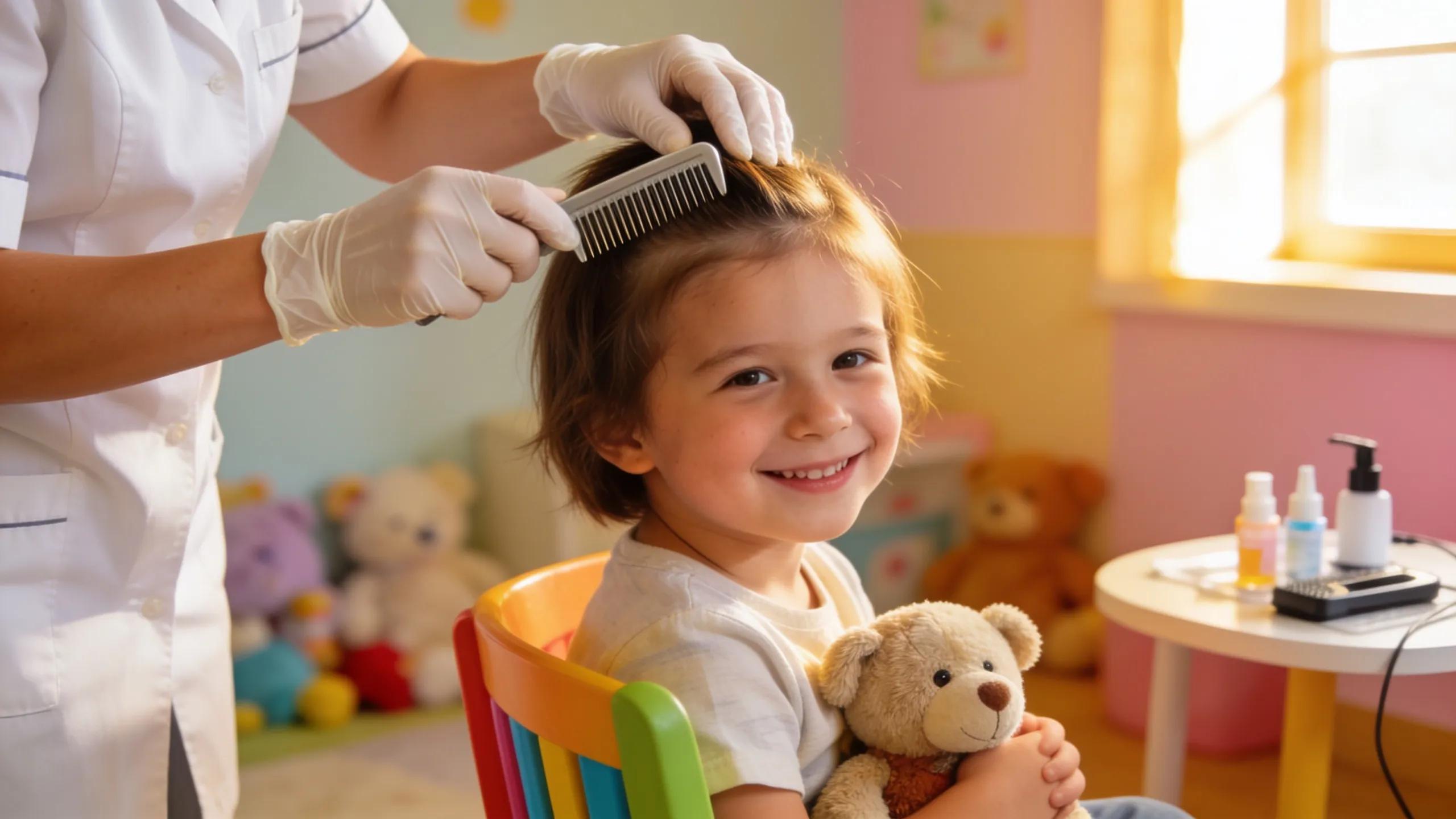
Safe and proven treatment options include both over-the-counter and prescription options. However, for those looking for a more organic approach, professional services such as Lice Happens offer effective, non-toxic lice removal treatments. Many families that opted for professional services report higher satisfaction with their lice resolution.
How Does Non-Toxic Lice Treatment Work and Why Is It Recommended?
Non-toxic treatments function by using natural oils and extracts to suffocate lice and loosen nits from hair shafts. These methods appeal to parents concerned about chemical exposure while ensuring their children remain free from infestations. Many natural options also offer conditioning properties that can improve hair health overall.
What Should Families Expect During Same-Day Professional Lice Removal?
When families choose to engage professional lice removal services, they can anticipate a comprehensive assessment followed by a thorough treatment protocol. Lice Happens, for example, provides a detailed examination to ensure efficacy and confirm the complete removal of lice and nits. Families can expect kindness and professionalism, resulting in a stress-free experience.
How Can Families Maintain a Lice-Free Home Environment?
Maintaining a lice-free home requires diligent cleaning practices, particularly after a confirmed case. Wash all bedding, towels, and clothing in hot water and dry them on high heat, as lice and nits cannot survive under these conditions. Vacuum upholstered furniture and carpets to remove any stray lice or nits while storing items that cannot be laundered in airtight bags for two weeks to eliminate any potential lice presence.
What Cleaning and Home Care Practices Reduce Lice Reinfestation?
Practical cleaning practices that minimize reinfestation risk involve regularly cleaning commonly used personal items and ensuring that children's belongings are not left lying around. Implement a schedule to vacuum living areas and wash items such as brushes and combs, which can harbor lice. Additionally, teaching children to keep their personal items organized can further reduce lice transmission.
Which Personal Items Should Be Treated or Washed After Lice Exposure?
After a lice exposure, it's critical to treat or wash all personal items that may have come into contact with the infected individual. This includes bedding, hats, clothing, and any items directly used on the head, such as brushes and hair accessories. For items that cannot be washed, using a lice spray can help ensure they are lice-free.

Facebook
LinkedIn
Instagram
TikTok