How to Handle a School Lice Outbreak in Atlanta: A Parent's Guide
How to Handle a School Lice Outbreak in Atlanta: Expert Parent's Guide to Head Lice Treatment and Prevention
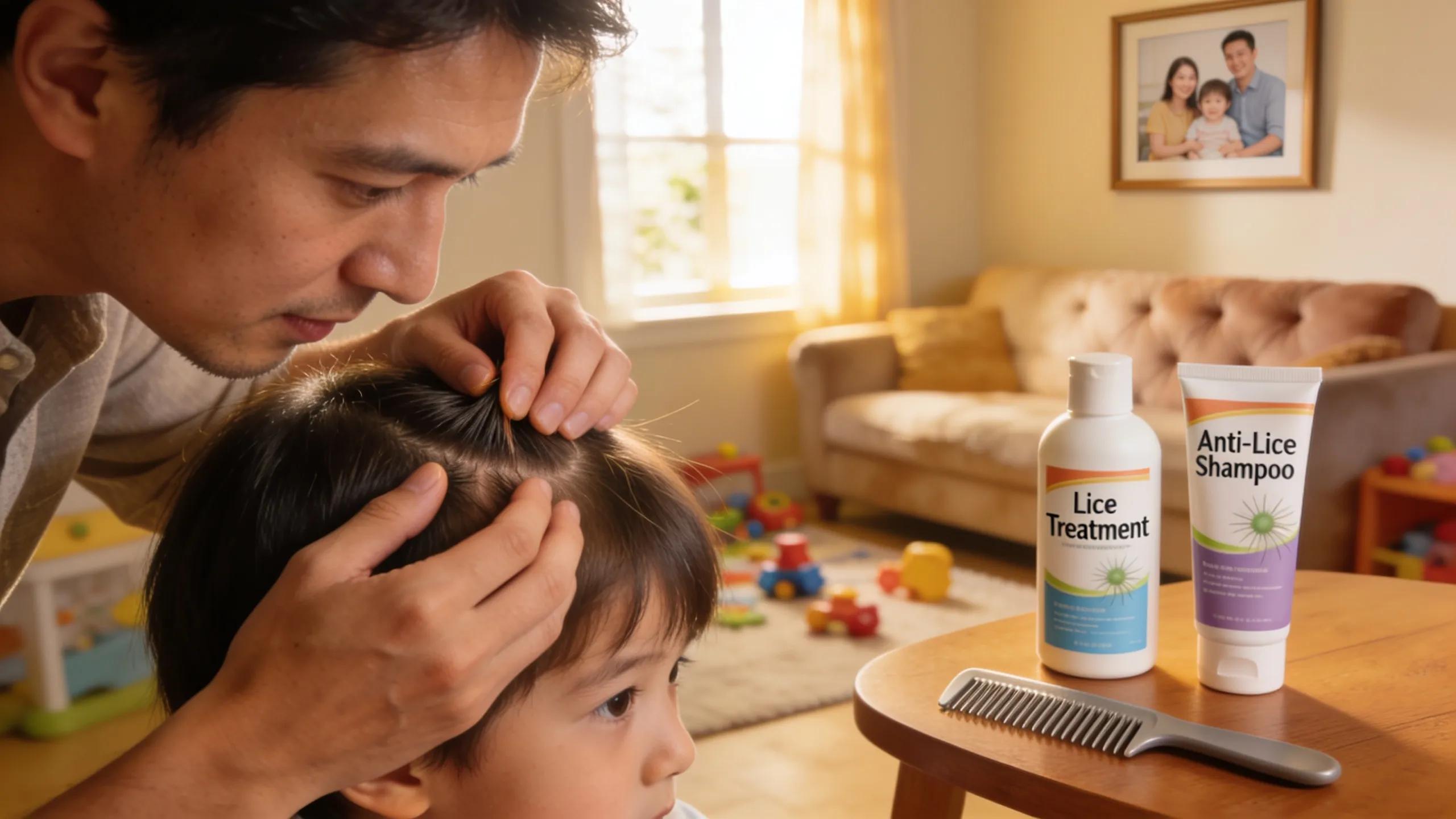
Managing a school lice outbreak can be a daunting challenge for parents, particularly in densely populated areas like Atlanta. Understanding the nature of head lice and their implications on your child's health and school environment is crucial. This guide aims to equip parents with the knowledge they need to effectively handle lice situations, covering effective treatment methods, preventive measures, and how to communicate with schools. In particular, parents will learn about signs and symptoms of head lice infestation, effective removal strategies, and how to minimize future outbreaks. By the end of this article, parents will not only feel more informed but empowered to act swiftly and confidently.
Communication with Schools
Effective communication with schools is essential during a lice outbreak. Notifying school officials promptly allows them to take appropriate actions to prevent the spread. Parents should request clearance notes from schools once a child has been treated. Familiarity with school lice policies can facilitate better cooperation.
Establishing a clear line of communication helps ensure that everyone is on the same page regarding handling the outbreak. Parents should also encourage discussions with teachers and school staff to reinforce procedures and policies that keep all children safe.
Effective Treatment Methods
When it comes to treating lice, there are various methods to consider, which can be grouped into professional services and do-it-yourself (DIY) treatments. Understanding the differences between these approaches can help parents choose the right option based on their unique circumstances.
Professional Lice Removal
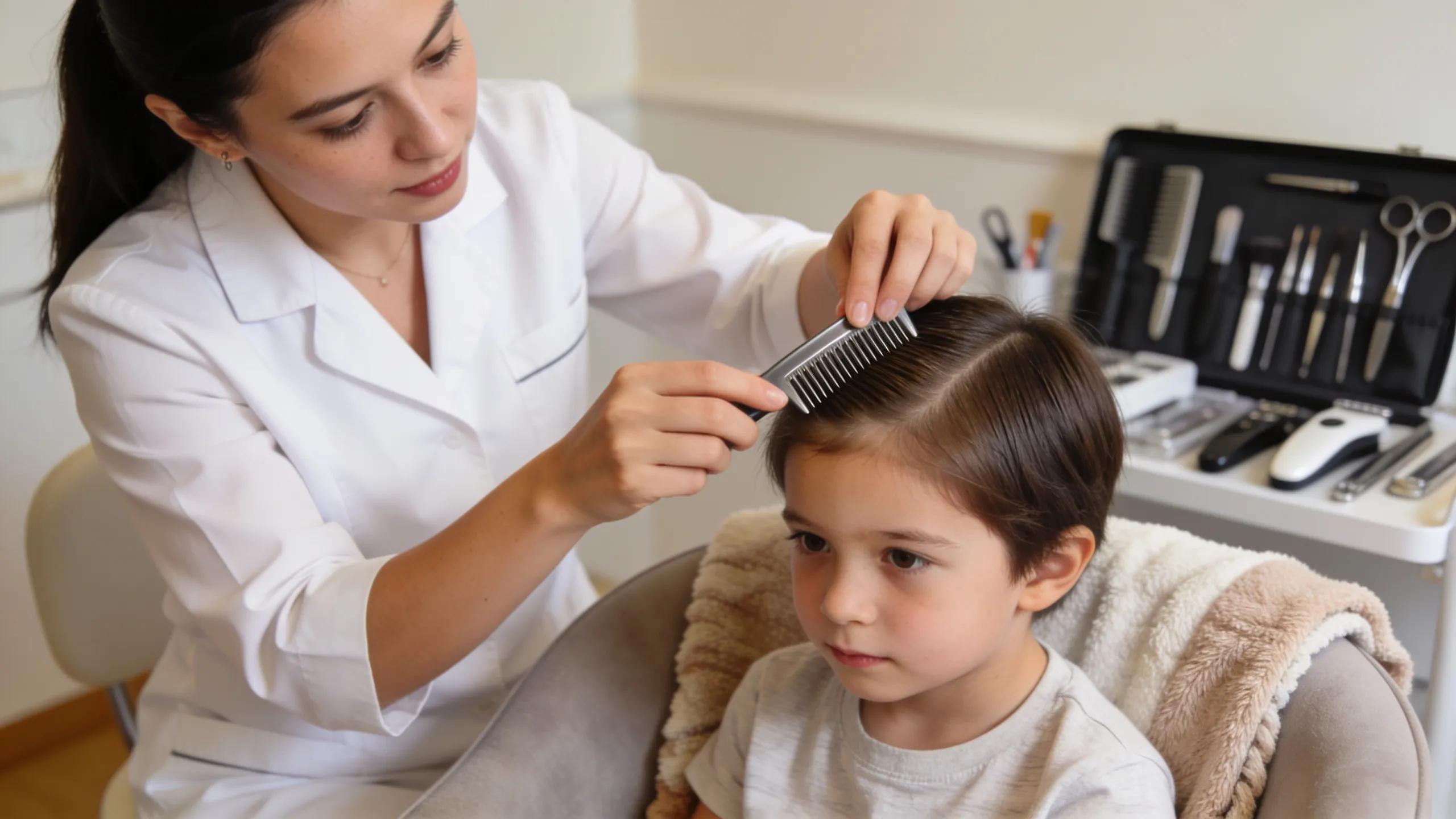
Professional lice removal services provide thorough and effective treatments. These services are typically performed by trained specialists using non-toxic products that are safe for children.
Many families in Atlanta, such as those serviced by Lice Happens, appreciate that these professionals come directly to their homes, allowing for discreet treatment without the stress of salon visits. This service has treated over 10,000 families since its inception in 2015, demonstrating effectiveness and reliability.
DIY Treatments
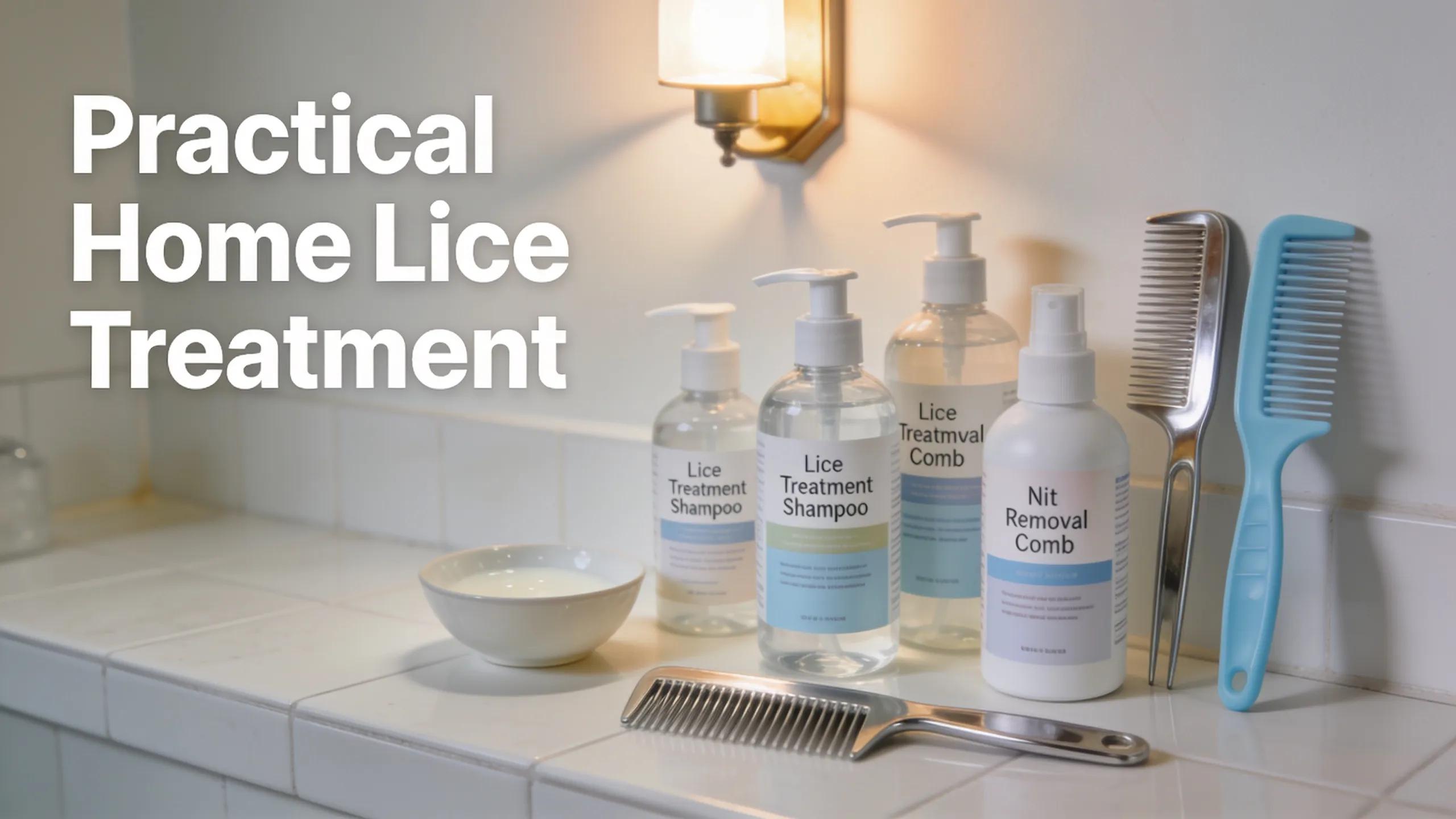
For parents opting for DIY treatments, several over-the-counter products are available. These can include shampoos and lotions specifically designed to eliminate lice. However, caution is advised; results can vary significantly, and improper usage may lead to ineffective treatment.
Common DIY methods involve using a fine-toothed comb to remove lice and nits from the hair. Continuous monitoring is vital as re-infestation can occur if not done thoroughly. Parents should also be aware of potential shortcomings of DIY treatments compared to professional services.
Follow-Up
After initial treatment, it is crucial to follow up diligently. Parents should check their children's hair within 7-10 days to ensure that no signs of lice or nits persist. It's essential to watch for indications of re-infestation, such as itching or scratching, which may signal remaining lice.
Follow-up checks allow parents to intervene quickly, thus minimizing the potential for spreading lice among classmates.
Prevention Strategies
Preventing lice transmission is just as important as treating it once it occurs. Regular scalp checks can help in early detection, and parents should teach children not to share personal items, such as hairbrushes or hats, which can facilitate lice spread.
Keeping hair tied back can also limit the chances of head-to-head contact—the primary method of lice transmission.
Cleaning and Home Management
When dealing with lice, cleaning can feel overwhelming. Parents should focus on light cleaning without becoming overly anxious. High-touch surfaces and bedding should be washed in hot water to eliminate any lice or nits left behind. Calm communication with children about lice can help assuage any fears and stigma that may arise.
Preparing a cleaning checklist can help parents organize their efforts, ensuring that no area is overlooked during the cleaning process.
Coping with a lice outbreak can be stressful for families, but it’s important to remember that lice are common and manageable. Reassuring children that lice are a treatable issue can help reduce anxiety. While staying vigilant about prevention is key, parents should also know that expert help is available if needed.
For families in Atlanta seeking timely professional interventions, services such as Lice Happens offer same-day mobile treatments, facilitating swift resolution to lice problems. Understanding that over 10,000 families have trusted this RN-founded service, parents can feel secure knowing they have reliable resources at hand. Should you need assistance, call 770-776-7913 to schedule a convenient appointment today.
What Are the Symptoms of a Head Lice Infestation in Children?
The symptoms of head lice can sometimes be subtle and may vary from child to child. Common symptoms include intense itching, particularly behind the ears and on the back of the neck. Children might also experience discomfort and difficulty concentrating due to irritation.
Additionally, parents may notice small white or yellowish eggs (nits) attached to the hair shafts, primarily near the scalp. Prompt recognition of these symptoms is vital for effective treatment, ensuring rapid action can be taken to prevent further spreading.
How to Identify Common Signs of Lice on Your Child’s Scalp and Hair
Identifying head lice involves a thorough examination of your child's hair and scalp. Parents should look for live lice, which are small, tan to grayish insects that may be difficult to spot.
It is equally important to check for nits, which are the eggs of lice, often found at the base of hair follicles. Nits are small and may appear as tiny white or yellow specks. Using a fine-toothed comb during inspection can help in detecting both lice and nits accurately.
What Are the Differences Between Nits and Lice?
Understanding the differences between lice and nits is crucial for treatment and prevention efforts. Lice are the adult insects that live on the scalp, while nits are their eggs, which are attached firmly to the hair.
Typically, nits take about 7 to 10 days to hatch, making it essential to address both aspects during treatment. Addressing only one may lead to continued outbreaks, as hatching nits can quickly re-establish a lice population.
What Are the Most Effective Head LiceTreatment Options in Atlanta?
In Atlanta, parents have access to various effective head licetreatment options. Professional services like Lice Happens have garnered positive feedback for their thorough and non-toxic approaches.
For those opting for DIY treatments, many over-the-counter products are available, but effectiveness can vary. Each method's success largely depends on proper usage and follow-up care, making it essential to stay informed on best practices.
How Does a Licensed Lice Removal Specialist Provide Safe, Non-Toxic Treatment?
Licensed lice removal specialists employ a combination of advanced techniques and safe, non-toxic products to treat lice effectively. Their education and training equip them with the skills necessary for thorough removal, usually involving mechanical methods such as combing and meticulous handpicking.
This specialized approach not only addresses the immediate infestation but also includes preventive care and education on how to manage future risks.
Are Home Remedies for Head Lice Reliable and Safe?
While some parents may turn to home remedies for licetreatment, it's crucial to approach these options cautiously. Many home remedies lack scientific backing and may not effectively eliminate lice or nits.
Parents should research and consult professionals when considering home-based solutions, ensuring they do not overlook the importance of proven, effective treatments.
What Are Atlanta Schools’ LicePolicies and Reporting Guidelines?
Each Atlanta school may have its own lice policy, which often dictates how parents should report outbreaks and what steps the school will take in response.
Generally, schools encourage parents to inform them of lice cases promptly, allowing for necessary precautions. Understanding these policies can help parents navigate outbreaks more effectively, reducing stigma and anxiety surrounding lice infestations.
When and How Should Parents Notify Schools About a Lice Outbreak?
Parents should notify schools as soon as they suspect a lice infestation in their child. Quick communication allows schools to alert other families and initiate checks as needed.
Additionally, following up after treatment with a clearance note can confirm that the child is lice-free, allowing for a smooth return to school.
What Are the Key Atlanta School Lice Policy Rules Parents Should Know?
Key Atlanta school licepolicies often include requirements for notifying school authorities, guidelines for treatment, and re-entry protocols.
Understanding these rules ensures parents stay compliant and can better handle any lice situations with school employees’ support.
How Can Parents Prevent Lice Transmission and Recurrence at Home and School?
To minimize lice transmission, parents should educate their children about lice hygiene and the importance of not sharing personal items such as hats, brushes, and hair accessories.
Encouraging regular scalp checks can lead to early detection and prevention of future outbreaks.
What Are Practical Prevention Tips to Reduce Lice Spread Among Children?
Regular Scalp Checks: Conduct routine checks to catch any sign of lice early.
Avoid Sharing Personal Items: Teach children not to exchange hats or hair accessories with others.
Tying Back Hair: Encourage children to keep their hair tied back during school.
Emphasizing these strategies within the household and communicating them to children can significantly reduce lice transmission.
How Does Proper Home Cleaning Support Post-TreatmentLice Control?
After treatment, proper home cleaning is crucial for preventing re-infestation. Parents should disinfect high-touch surfaces, wash bedding, and vacuum carpets and upholstery.
Taking these steps can help eliminate any lingering lice or nits. A systematic approach to cleaning not only supports treatment success but also offers peace of mind.
How Do Lice Happens’ Same-Day Mobile Treatments Support Atlanta Families?
Lice Happens offers families in Atlanta the convenience of same-day mobile treatments, ensuring that head lice issues can be handled swiftly and discreetly.
This level of accessibility is particularly appealing to busy families, allowing for professional care without the added stress of salon visits. The RN-founded service has created a trusted environment for over 10,000 families in the area.
What Makes Lice Happens’ RN-Founded Service Trusted by 10,000+ Families?
Lice Happens’ reputation stems from its non-toxic treatment methods and commitment to providing care in a compassionate, understanding environment. Thousands of families have relied on this RN-founded service since 2015, appreciating the efficacy and convenience of their mobile treatments.
With a focus on customer satisfaction and successful outcomes, Lice Happens empowers parents with the support they need in challenging situations.
How Can Parents Schedule a Convenient Same-Day In-Home Appointment?
Parents interested in booking a same-day in-home appointment with Lice Happens can easily contact their mobile service at 770-776-7913. This opportunity for prompt treatment is a key resource for families facing lice outbreaks.
By reaching out, families can secure a necessary intervention with the assurance of quality and effectiveness.

Facebook
LinkedIn
Instagram
TikTok