
Head Lice Prevention for School Age Children
Head Lice Prevention for School Age Children: Lice Removal and Prevent
Prevention for school-age children centers on daily habits, not styling products: hair dye, gel, and hairspray do not reliably prevent lice, contrary to common myth. Effective steps include routine scalp checks, tying back long hair, and avoiding shared hats or brushes. Certified specialists at Lice Happens GA confirm early detection stops classroom spread fastest.
Key Takeaways
Head lice transmit no diseases; itching represents the only major health concern for affected children.
Lice Happens GA has served over 10,000 families since 2015 with transparent, apartment-rate pricing.
Regular hair inspections and avoiding shared hair accessories reduce head lice transmission among school-age children.
In-home professional treatment costs $125 for short hair, with HSA and FSA payment options available.
Why Are School-Age Kids So Vulnerable?
Children between the ages of 3 and 11 face the highest risk of head lice among any age group. Close, sustained contact at school creates the exact conditions lice need to jump from one head to another. Head lice prevention for school age children matters because classrooms, carpools, and sleepovers pack kids together for hours at a time.
Lice spread mainly through direct head-to-head contact, and that kind of contact happens constantly among school-aged kids. Group projects, team sports, selfies, and shared lockers all create opportunities for a louse to crawl from one scalp to another. Since 2015, Lice Happens GA has treated more than 10,000 local families, a number that reflects just how frequently this issue touches Atlanta households.
Does Hygiene Affect Lice Risk?
No. Lice care about warmth and a steady blood supply, not cleanliness or hairstyle. A child with freshly washed, neatly styled hair faces the same exposure risk as any classmate. This myth often delays proper action, so recognizing real risk factors matters more than judging hygiene habits.
Common exposure points at school include:
Shared coat hooks, cubbies, and backpacks stored close together
Group photos and selfies involving head-to-head contact
Nap mats, pillows, and dress-up costumes in early elementary classrooms
After-school sports, dance, and sleepover play dates
Understanding these everyday triggers gives parents practical lice prevention tips for parents to watch for, rather than reacting only after an outbreak spreads through a classroom.
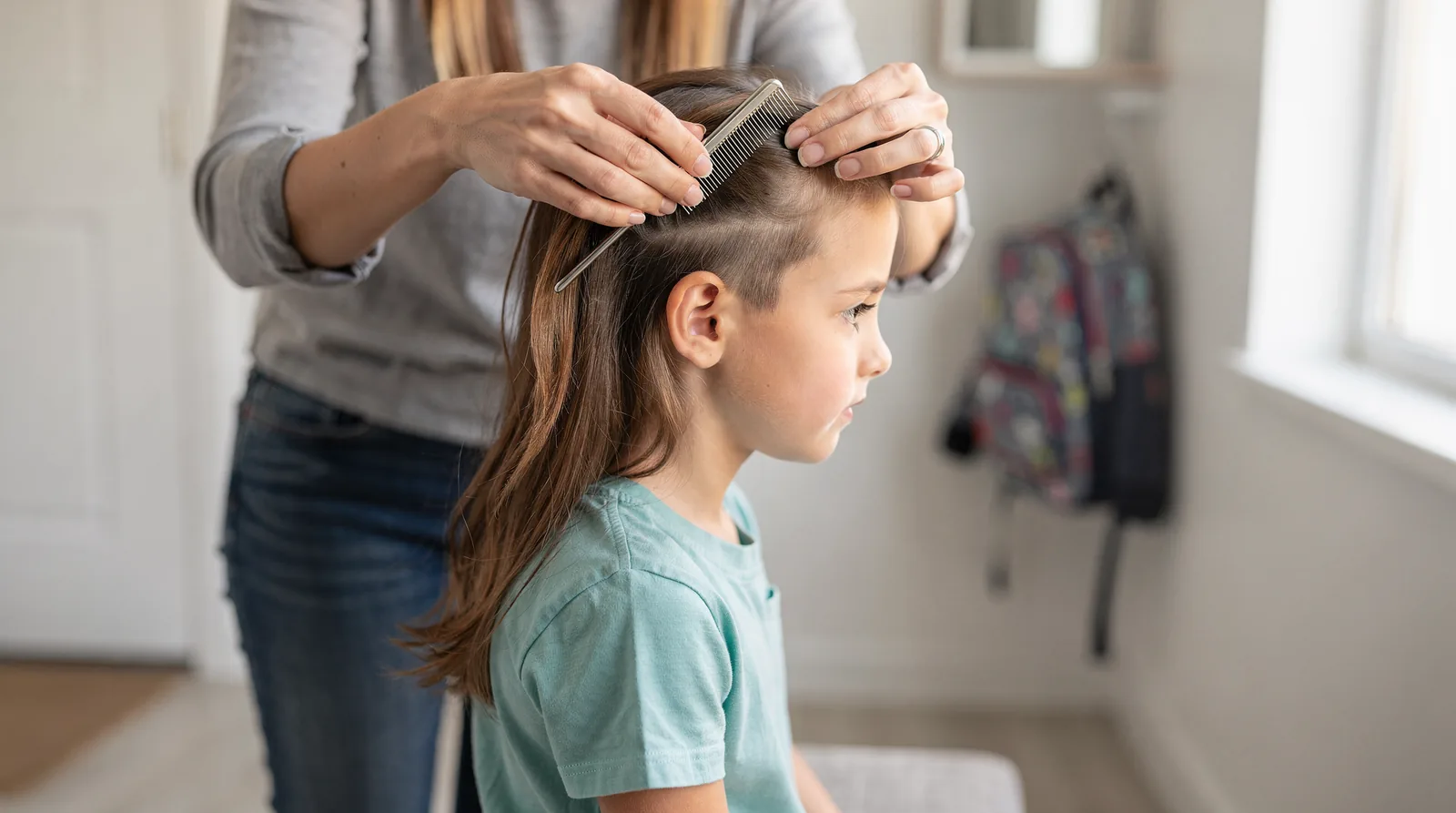
Simple household tips, like teaching kids not to share head-touching items, are a foundational first
How Can Parents Prevent Lice at School?
Prevention starts at home, long before backpacks head out the door each morning. Simple household habits form the foundation of head lice prevention for school age children. Small changes make a measurable difference. Families who build a few consistent routines reduce exposure risk without upending daily life.
Teaching children not to share head-touching items ranks among the most effective lice prevention tips for parents. Hats, brushes, hair ties, and headphones pass lice between kids far more often than most parents realize. A quick reminder before school — "hands and heads to yourself" — sets a habit that sticks.
Modern classrooms introduce risks earlier generations never faced. Shared VR headsets, tablets, and other devices that rest against hair create new pathways for lice to travel between classmates. Schools using rotating tech stations should factor this into cleaning protocols. Parents can ask teachers how devices get sanitized between uses.
Does Group Studying Increase Lice Risk?
Yes. Group study sessions, especially in advanced or gifted programs where kids sit close together for extended periods, commonly trigger reinfestation when one student remains untreated. Close, sustained head proximity during collaborative work gives lice ample opportunity to transfer. Rotating seating positions and avoiding shared supplies during these sessions lowers that risk.
What Should Parents Know About School Lice Policy?
Every district enforces its own school lice policy, and understanding it before an outbreak happens prevents confusion later. Some schools require nit-free confirmation before readmission; others follow more relaxed return-to-class guidelines. Knowing how to prevent lice at school means reading that policy in advance, not scrambling to find it during a crisis.
When uncertainty strikes, professional lice removal services offer clarity fast. Lice Happens GA provides mobile screening that confirms exposure accurately, sparing families the guesswork of at-home checks. That accuracy — paired with a calm, judgment-free approach to client care — reflects the core mission behind every visit: helping parents move from panic to a clear, confident plan.
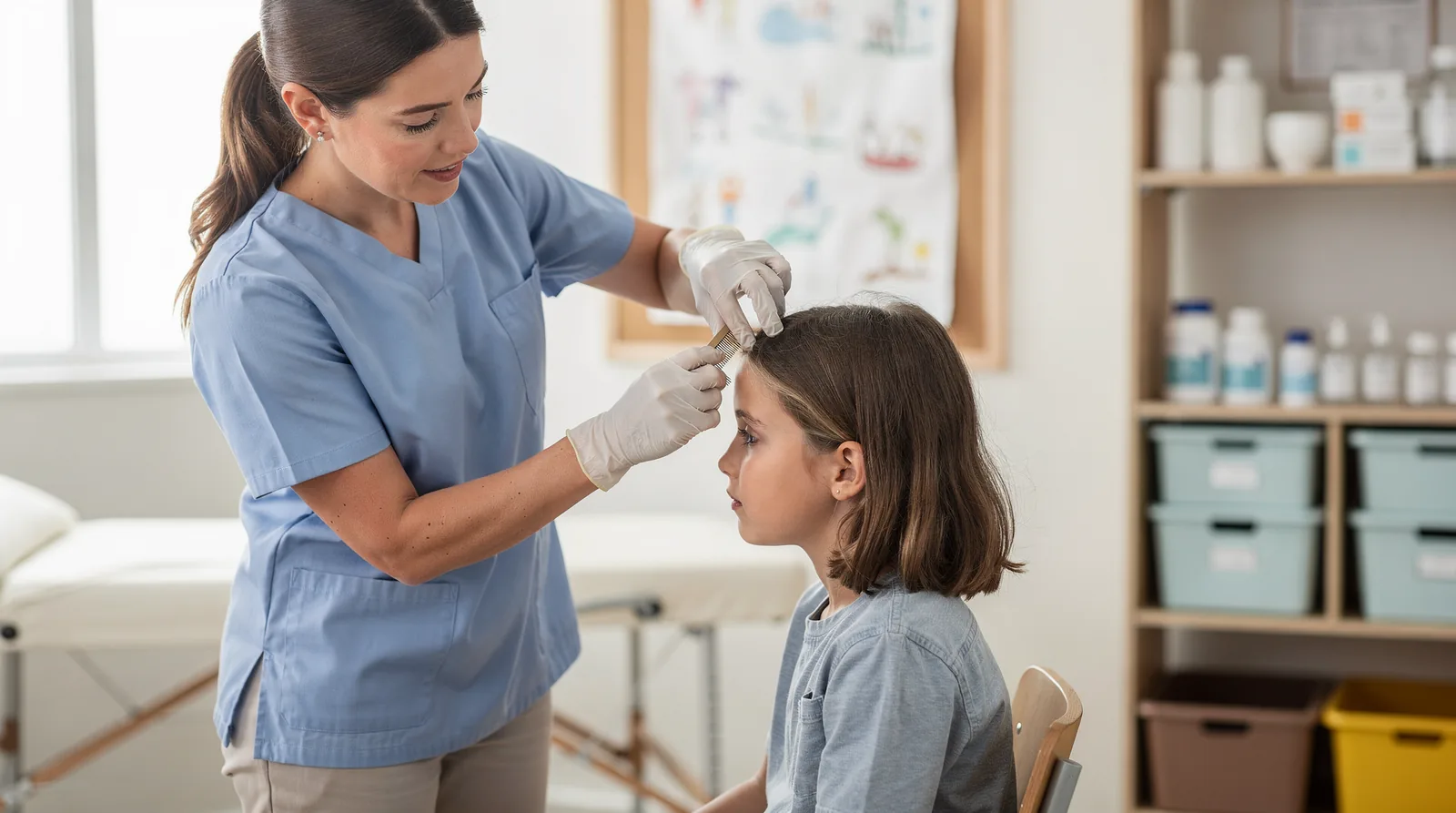
Local school lice policies exist alongside home prevention habits, but neither guarantees a child stays
What Does Your School's Lice Policy Mean?
A school lice policy sets rules for how a district handles reported cases, but it doesn't stop lice from spreading. Many Atlanta-area schools require a nit-free scalp before a child returns to class. Others send home a notice and let families decide the next step. Local policies exist alongside home prevention habits, yet neither one guarantees a child stays lice-free. Lice travel through direct head-to-head contact, so styling routines, hair dye, or a strict dress code offer no real protection once close contact happens at school.
Does a school policy protect my child from lice?
No policy eliminates risk entirely. School rules manage outbreaks after they're discovered, not before contact occurs. Parents still need a plan for fast confirmation and treatment once a notice comes home.
Families across the metro area don't have to navigate a lice notice alone. Lice Happens GA serves families throughout Fulton, DeKalb, Cobb, and Gwinnett counties, covering many of the school districts where these policies apply.
What should parents do after a lice notice from school?
Confirm the exposure quickly, then act. A same-day screening removes the guesswork before a mild case turns into a full household infestation.
That confirmation shouldn't come with financial surprises. Transparent, apartment-rate pricing for professional lice removal services lets families know the cost of in-home treatment before a stressful school notice becomes a stressful bill. A $35 head check and screening fee applies to confirm exposure. That fee is waived whenever treatment happens during the same visit. This structure reflects a core commitment: pairing clear pricing with attentive, judgment-free client care, so families facing a school policy deadline can make a fast decision without added pressure.
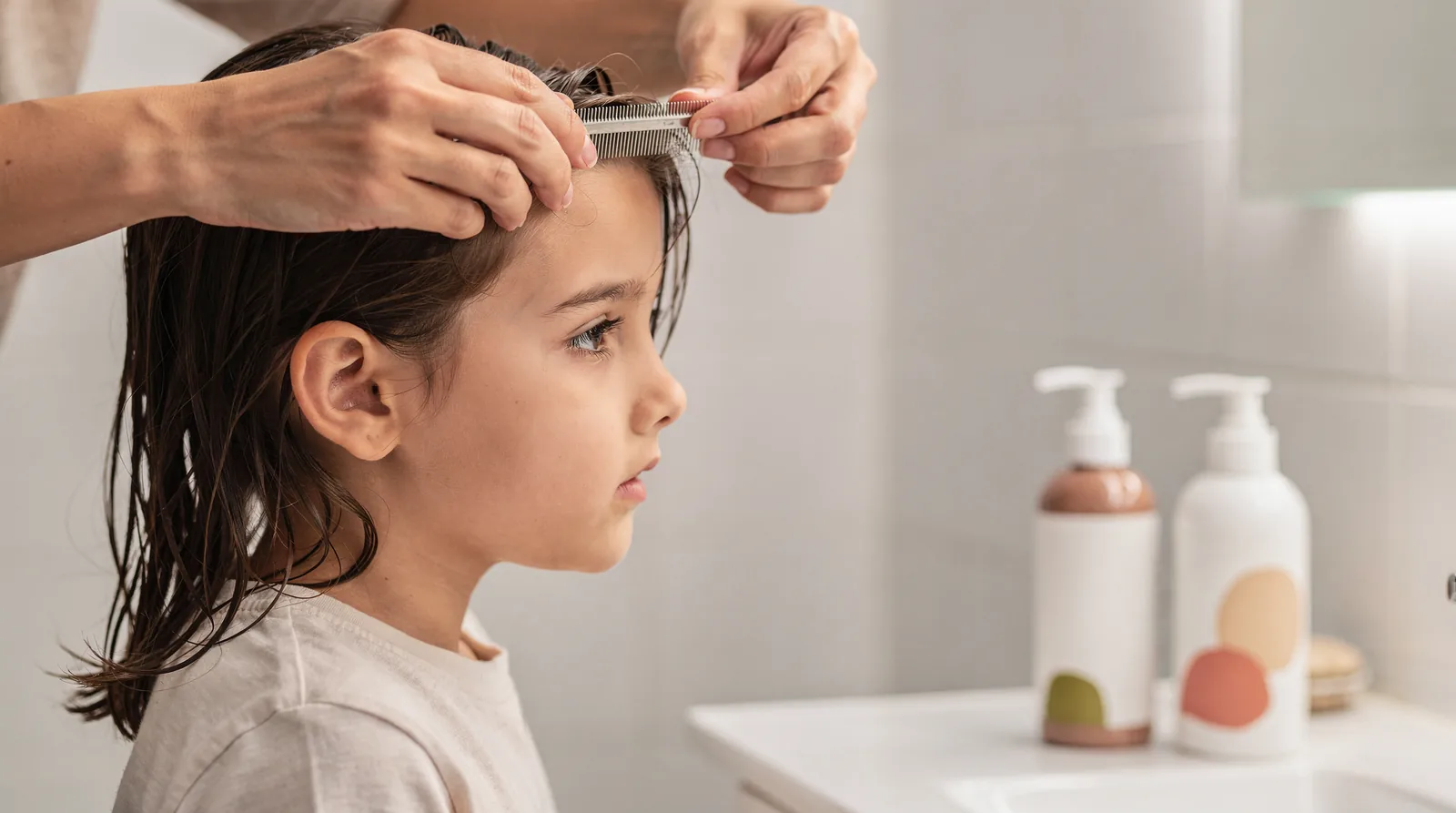
Hair dye, gel, and hairspray do not reliably prevent or treat head lice, despite common
Do Hair Products Block Lice?
Styling products offer no real defense against lice. Hair dye, gel, and hairspray do not reliably prevent or treat head lice, no matter how thoroughly they're applied. Many parents assume otherwise, and that assumption creates a false sense of security during outbreak season.
The dye myth deserves special attention. Some parents believe the harsh chemicals in hair coloring products kill lice on contact. Dyes are formulated to change hair color, not to eliminate parasites. Lice survive dyed hair just as easily as untreated hair.
Does dyed or treated hair make a child less likely to get lice?
No. Head lice can live in any hair type, whether curly, straight, dyed, or chemically treated. Lice attach to the hair shaft near the scalp regardless of texture or color, since they're seeking warmth and blood supply, not a particular look.
What should parents check instead of relying on gel or hairspray?
Skip the guesswork and check the scalp directly. Parents should look for live, crawling lice or nits (the eggs) close to the scalp, particularly behind the ears and along the nape of the neck. This direct inspection catches an infestation early.
Effective lice prevention tips for parents rely on habits, not hair products:
Avoid head-to-head contact during play dates and sleepovers
Discourage sharing hats, brushes, and hair accessories
Check scalps weekly during high-exposure periods like back-to-school season
Contact professional lice removal services promptly if live lice or nits appear
What Should You Do If Lice Happen Anyway?
Discovery of lice on a child's head calls for a fast, evidence-based response rather than panic. Lice Happens GA brings mobile lice removal and professional head lice screening directly into a family's living room. Treatment starts the same day symptoms appear.
That mobile model matters because school nights don't pause for scheduling conflicts. A technician arrives with the same clinical tools used in a treatment center, checks every family member, and removes live lice and nits on-site. No waiting room, no exposing other students, no lost workday driving across town.
How quickly can a family get an appointment?
Timing rarely cooperates with lice discoveries. Lice Happens GA stays open 365 days a year, which means a Sunday-night find doesn't turn into a Monday-morning crisis. Same-week, often same-day, service keeps a child on track for school attendance instead of falling behind.
This responsiveness reflects the company's core mission: pairing scientific rigor with genuine, judgment-free care for stressed households. Every visit follows that same approach, whether a family calls at 7 a.m. or 9 p.m.
What does professional lice removal cost?
Pricing stays apartment and predictable, with no hidden fees added after the appointment starts. Lice Happens GA also accepts HSA and FSA payment, which removes a common financial barrier for parents deciding whether to book help immediately or wait it out.
Hair Length
Apartment-Rate Price
Short hair (above shoulders)
$125
Long hair (below shoulders)
$175
Clear pricing lets parents commit to professional lice removal services without guessing at the final bill. Combined with round-the-clock availability and HSA/FSA acceptance, that transparency turns a stressful discovery into a manageable, same-day fix rather than a week of DIY frustration.
FAQ
Do hairstyling products like gel or hairspray prevent lice?
No. Hair dye, gel, and hairspray do not reliably prevent lice, despite this being a common myth among parents of school-age children.
Does good hygiene lower a child's risk of getting lice?
No. Lice care about warmth and a steady blood supply, not cleanliness or hairstyle, so hygiene habits do not affect exposure risk.
What everyday habits help prevent lice spread at school?
Routine scalp checks, tying back long hair, and avoiding shared hats, brushes, hair ties, and headphones all reduce transmission among classmates.
Conclusion
In closing, head lice prevention requires consistent vigilance and practical habits, but the good news is that most cases remain manageable with early detection and prompt action. By teaching your child regular hair checks, limiting shared personal items, and maintaining open communication about lice exposure, you equip your family with the knowledge to stay ahead of infestations. Should prevention efforts fall short, remember that professional treatment offers a reliable, science-based solution—because managing lice doesn't have to mean managing stress.

Facebook
LinkedIn
Instagram
TikTok