
Head Lice Prevention Tips for Parents: Lice Removal and Prevention
Head Lice Prevention Tips for Parents: Lice Removal and Prevention
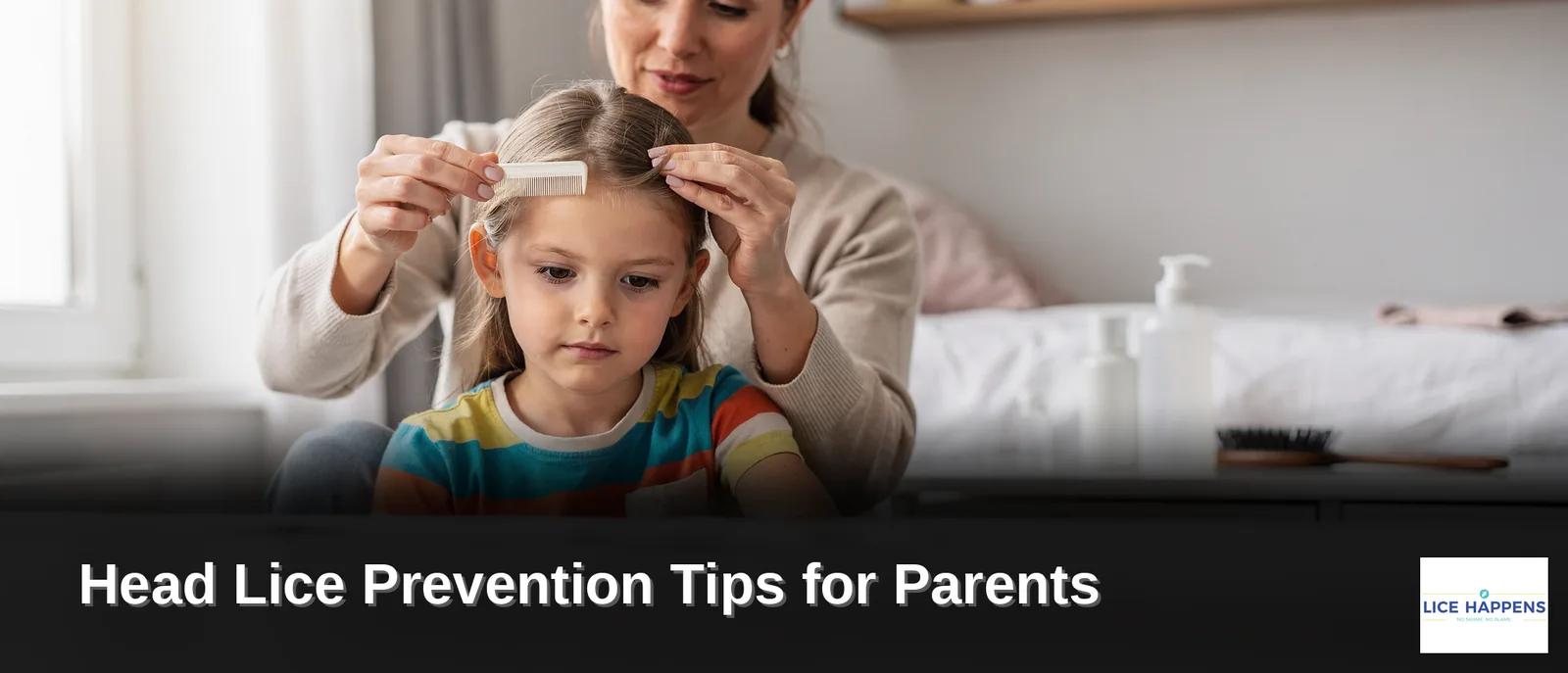
Effective head lice prevention centers on regular scalp checks, avoiding shared hats, brushes, and headphones, and teaching kids not to store personal items near others' belongings during sleepovers or group activities. Hair dye, gel, and hairspray do not reliably prevent lice, despite common myths. Certified specialists at Lice Happens GA recommend routine screening. Early detection stops outbreaks before they spread through classrooms or teams.
What Are the Best Head Lice Prevention Tips for Parents?
Effective head lice prevention tips for parents start with routine scalp checks. A clear picture of who faces the highest risk. Head lice most commonly affect children between ages 3 and 11, making early prevention habits especially important for families with elementary-age kids. Skipping these habits invites weeks of reinfestation, missed school days, and late-night comb-outs.
Lice Happens GA has worked with more than 10,000 families since 2015, building firsthand insight into what prevention actually works. Because the practice is RN-Founded, its guidance rests on clinical, science-based reasoning rather than guesswork. That foundation reflects the practice's core mission and approach to client care: calm, judgment-free support grounded in evidence, not panic.
How can families prevent lice from spreading at school?
Learning how to prevent lice at school means treating hair contact, not hygiene, as the real risk factor. Lice spread through direct head-to-head contact, so limiting shared hats, headphones, and hair ties during group activities meaningfully cuts exposure.
Does hair type or hairstyle offer any protection?
Not really. Head lice thrive in every hair type — curly, straight, dyed, or natural — with no exceptions. Parents banking on gel, hairspray, or dye as a shield are relying on a myth, not a method.
Building consistent lice prevention habits for kids works far better than reacting after an outbreak. Practical daily habits include:
Tying long hair back for school, sports, and sleepovers
Storing hats, helmets, and hair accessories separately from classmates' belongings
Performing a two-minute, part-by-part check weekly
Checking children for lice regularly catches infestations early, before nits multiply. Families wanting a trained second opinion can turn to mobile lice screening Atlanta services for a fast, professional check at home.
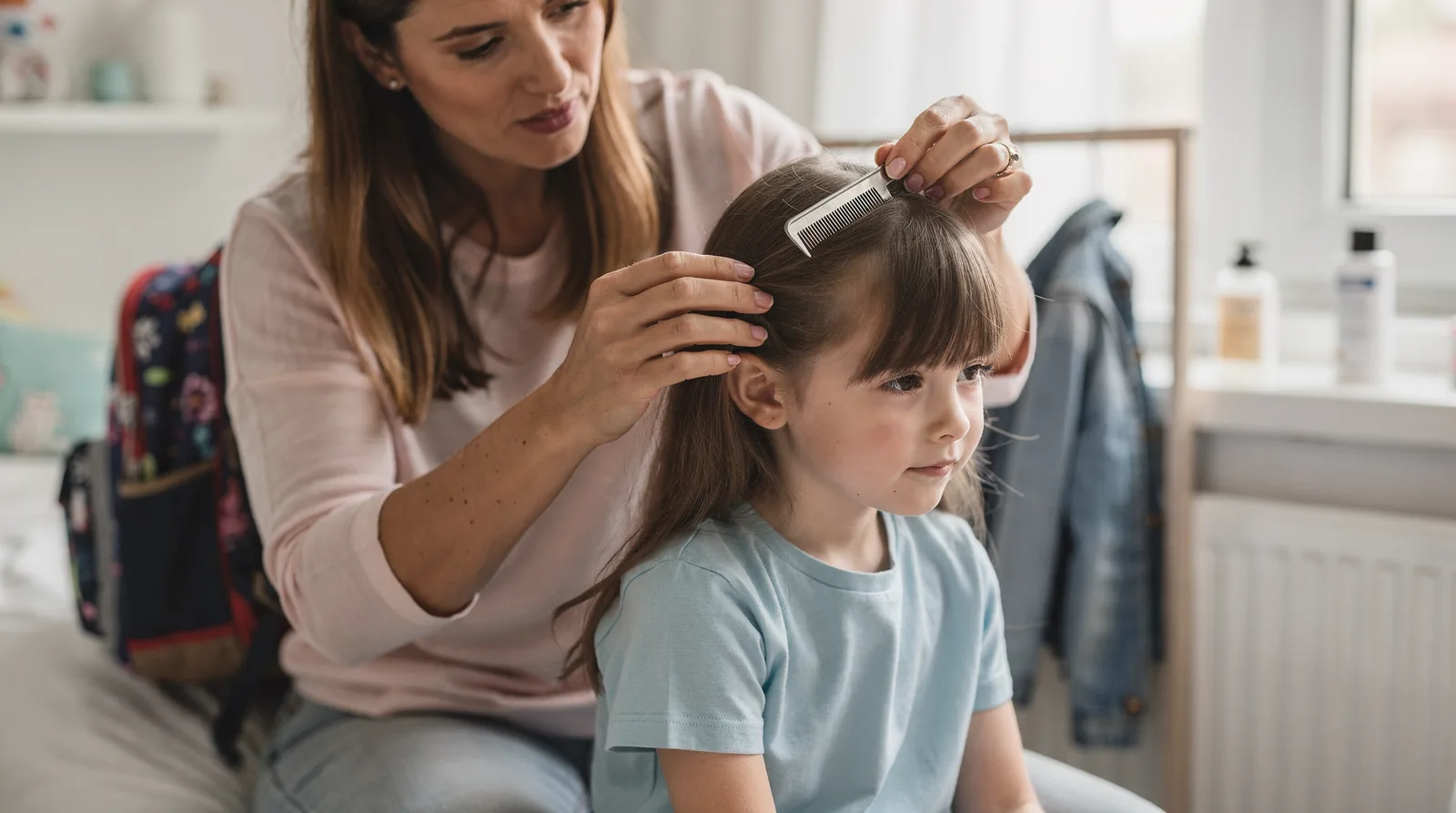
How Can Parents Prevent Lice at School?
Prevention starts with awareness of where classroom exposure actually happens. Head lice spread easily among school-age children, and classrooms rank among the top exposure points nationwide, with millions of cases reported each year among students. Effective head lice prevention tips for parents focus less on fear. More on specific risk points that show up in daily school routines.
Group settings deserve close attention. Study sessions tied to advanced or gifted programs bring students into prolonged, close head contact for hours at a time. If even one classmate carries an untreated case, the entire group faces reinfestation risk within days. Shared technology adds another layer of concern. VR headsets, tablets, and other devices passed between students create hair-to-hair and surface contact that lice exploit easily.
Does Sharing School Supplies Really Spread Lice?
Yes, shared items that touch the scalp or hair carry real transmission risk. Devices worn on the head, like headsets, function similarly to shared hats or hairbrushes. Encouraging kids to wipe down or avoid sharing these items builds smart lice prevention habits for kids without adding stress to their school day.
Should Parents Panic If the School Reports a Lice Case?
No. CDC guidance confirms that children with lice do not need to leave school early. Students can finish the school day, receive treatment at home, and return to class afterward. Understanding how to prevent lice at school means pairing calm awareness with consistent checking children for lice after group activities, sleepovers, and shared-device days. Routine vigilance beats last-minute panic every time.
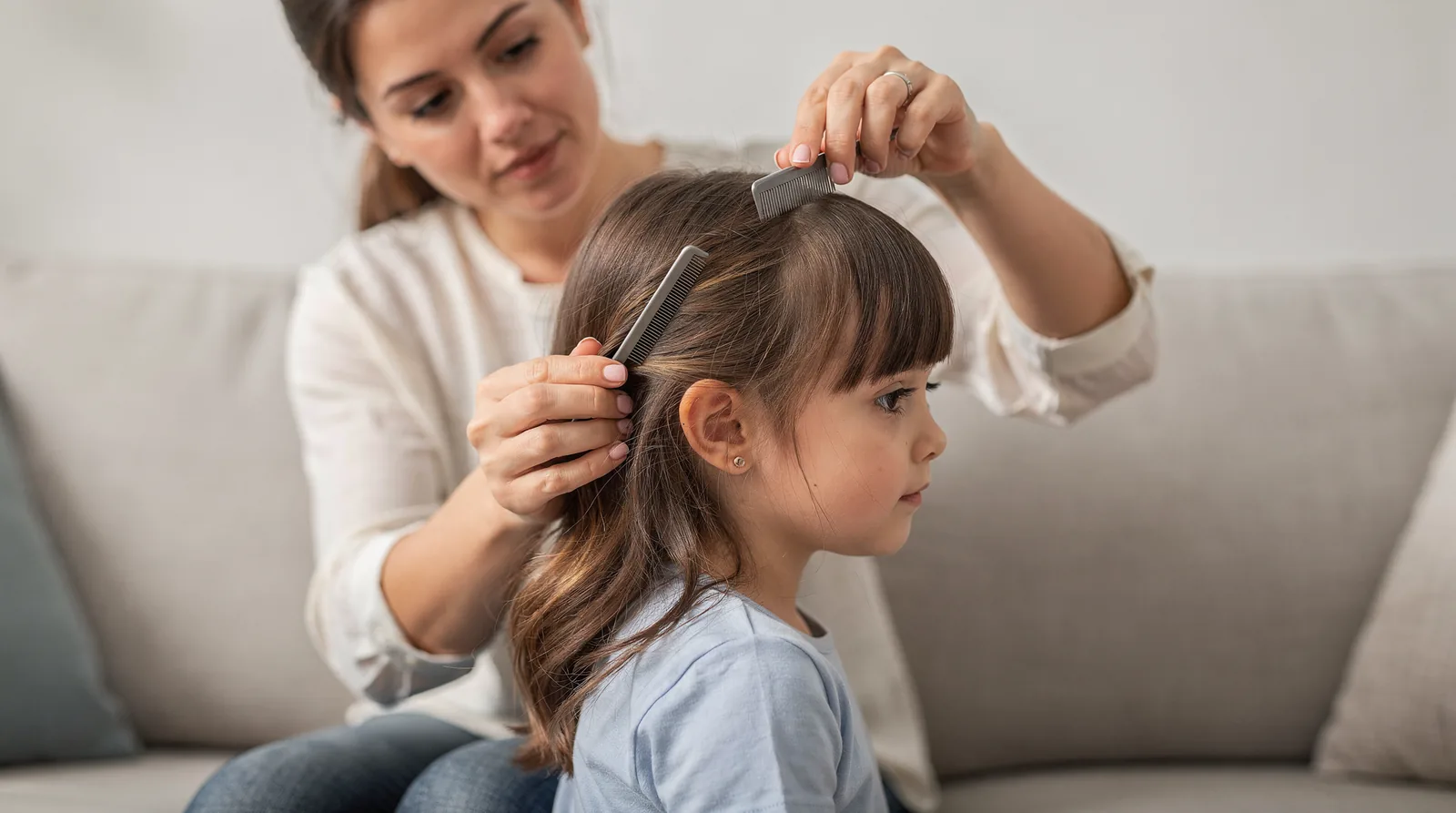
How Do You Check Children for Lice?
Checking children for lice starts with two specific spots: behind the ears and at the nape of the neck. Lice and nits gather in these warm, sheltered areas more than anywhere else on the scalp. A thorough check means parting hair in small sections and looking closely under bright light, since nits are tiny and often mistaken for dandruff.
A comb helps too, but the eyes catch what fingers miss. Parents should look for live insects moving near the scalp. For nits glued firmly to the hair shaft, usually within a quarter inch of the roots.
How Often Should Parents Recheck the Whole Family?
Once lice or nits show up on one child, every household member needs a check every two to three days. This repeated screening catches new hatchlings before they mature and spread further. Skipping this step is the most common reason lice return weeks after a first treatment.
A simple screening routine looks like this:
Check behind the ears and along the neckline first
Part hair in one-inch sections under strong light
Look for nits within a quarter inch of the scalp
Recheck all family members every two to three days
Treat anyone showing live lice or close-set nits
Is a Professional Screening Worth Checking Into?
Certainty beats guesswork, especially when a rash or dry scalp mimics lice symptoms. Mobile lice screening Atlanta families rely on comes from Lice Happens GA, which sends a specialist to the home for a professional head check. That screening costs pricing varies and the fee disappears entirely if treatment happens during the same visit — turning a stressful guess into a confirmed answer.
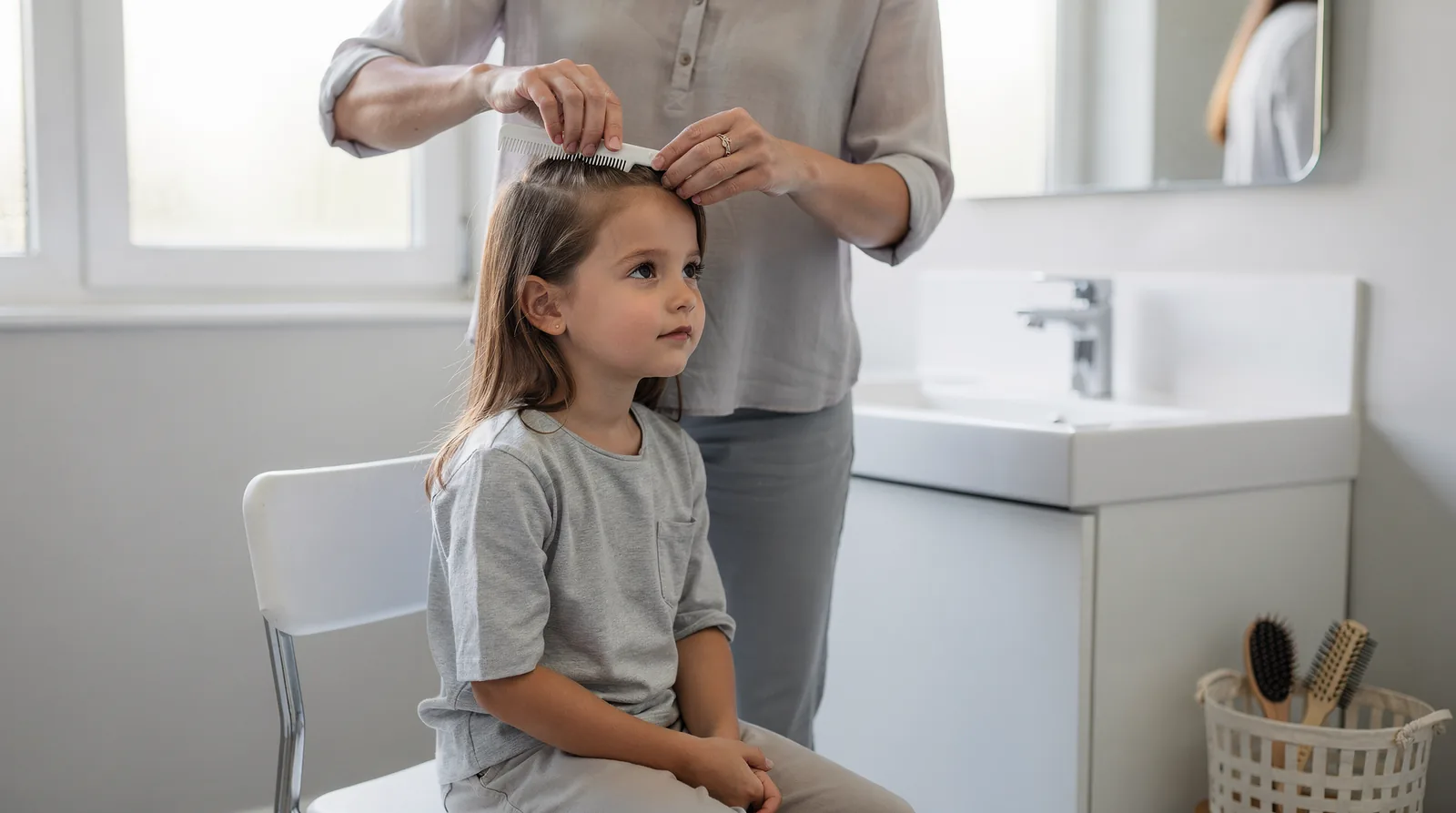
What Daily Habits Lower Kids' Lice Risk?
Daily scalp checks lower a child's lice risk more effectively than styling routines or hygiene alone. Families searching for real head lice prevention tips for parents often reach for hair gel or a strong hairspray, hoping the product acts as a shield. It doesn't. Lice attach to hair shafts regardless of styling, and no cosmetic product offers dependable protection.
Does keeping hair clean or styled prevent lice?
No. Lice seek warmth and a steady blood supply, not clean or unclean hair. A child with freshly washed, neatly styled hair faces the same exposure risk as one who skipped a shower. That reality makes physical checks, not grooming habits, the foundation of solid lice prevention habits for kids.
What should parents look for during a quick daily check?
Checking children for lice takes less than two minutes when parents know where to look. Nits sit close to the scalp and often trigger noticeable itching, so scalp irritation deserves a second look. Focus attention on these high-risk zones:
Behind the ears
Along the hairline at the nape of the neck
Crown of the head, where hair part lines separate
Building this into an evening routine, alongside brushing teeth or packing lunches, turns detection into habit rather than a stressful emergency.
Consistency matters more than intensity. A 30-second glance behind the ears each night catches problems early. A small issue spreads through a classroom or a carpool. Parents focused on how to prevent lice at school should pair these home checks with awareness of shared spaces like coat hooks and gym cubbies. When a case does slip through, prompt attention makes treatment faster and less disruptive for the whole family.
When Should You Call a Lice Screening Service?
Persistent itching behind the ears, visible nits near the scalp, or a note home from school all signal that it's time to call a screening service. Waiting rarely helps. Lice multiply fast, and every day of delay raises the odds that siblings or classmates pick up an infestation too. Lice Happens GA serves Fulton, DeKalb, Cobb, and Gwinnett counties with mobile lice screening Atlanta parents can schedule right from home, skipping the pharmacy guesswork entirely.
What signs mean it's time to call a professional?
Home checks catch some cases but miss others. Checking children for lice at the kitchen table under a lamp works for obvious infestations, yet nits blend into hair color and hide near the scalp. Many over-the-counter shampoos rely on pyrethrins or permethrin, and lice in many areas have grown resistant to both. A trained eye spots what a rushed morning check misses.
How fast can families get an appointment?
Fast. The service runs 365 days a year, so weekends and holidays don't mean a longer wait. That kind of availability matters for parents juggling school policies and activity schedules.
Families should call when:
A home check turns up conflicting results
An OTC treatment failed after a full application
A school notice mentions lice in the classroom
Cost clarity matters — treatment starts at $125 for short hair above the shoulders
HSA or FSA funds need to cover the visit
Lice Happens GA core mission centers on calm, judgment-free, science-based care for every family it serves. That approach, paired with apartment-rate pricing and year-round availability, turns a stressful phone call into a same-week solution.
FAQ
What are the best head lice prevention tips for parents?
Regular scalp checks, avoiding shared hats, brushes, and headphones, and keeping personal items separate during sleepovers or group activities form the core of effective prevention. Weekly two-minute part-by-part checks catch infestations early.
Does hair type or hairstyle protect against lice?
No, head lice thrive in every hair type, including curly, straight, dyed, or natural hair. Hair dye, gel, and hairspray do not reliably prevent lice, despite being a common myth.
How can parents prevent lice from spreading at school?
Limiting shared hats, headphones, and hair ties during group activities reduces exposure, since lice spread through direct head-to-head contact rather than hygiene. Tying long hair back and storing belongings separately from classmates also helps.
Facts
Lice Happens GA is located in Atlanta, GA, US.
Lice Happens GA has 7 employees.
Lice Happens GA has served over 10,000 families since 2015.
Lice Happens GA is RN-Founded.
Lice Happens GA is open 365 days a year.
Lice Happens GA offers transparent, apartment-rate pricing for in-home lice treatment.
Lice Happens GA accepts HSA and FSA.
Lice Happens GA charges $125 for short hair treatment (above the shoulders).
Lice Happens GA charges $175 for long hair treatment (at or below the shoulders).
Lice Happens GA charges $35 for a head check/screening, which is waived if treatment is performed during the same visit.
Lice Happens GA serves Fulton, DeKalb, Cobb, and Gwinnett counties.
Lice Happens GA provides mobile lice removal and professional head lice screening.
Conclusion
In closing, preventing head lice requires consistent vigilance and a practical approach—regular scalp checks, open communication with your child's school, and swift action at the first sign of infestation. While no prevention method guarantees complete protection, these evidence-based strategies significantly reduce your family's risk. Should lice still find their way into your home, remember that professional treatment offers a reliable, science-based solution that eliminates the stress of managing this common childhood challenge on your own.


Facebook
LinkedIn
Instagram
TikTok