Effective Treatment Options for Super Lice
Effective Treatment Options for Super Lice: Professional, Non-Toxic Solutions for Resistant Head Lice

Super lice are head lice populations that have developed resistance to common over-the-counter insecticides such as permethrin and other pyrethroids, making infestations harder to eliminate with conventional treatments. This article explains what super lice are, how resistance emerges, and why non-pesticide, professional approaches can reliably clear resistant infestations while minimizing chemical exposure. Readers will learn how manual comb-out and adjunct non-toxic methods work, practical benefits of in-home professional services, and evidence-based prevention steps to stop reinfestation. We outline the mechanisms behind resistance, compare manual and chemical strategies, and provide actionable checklists for families and schools. Throughout, terms like permethrin resistant lice, wet combing, manual comb-out, and non-toxic lice treatment are used to help you recognize effective options and make informed choices if a child or household faces a persistent infestation. By the end you’ll understand treatment choices, what to expect from professional mobile services, and targeted prevention tactics to reduce recurrence.
What Are Super Lice and Why Are They Resistant?
Super lice are head lice populations with confirmed resistance to permethrin and related pyrethroid insecticides, which reduces the effectiveness of many OTC treatments. Resistance develops when genetic mutations that reduce sensitivity to these pesticides become common in a population after repeated exposure, allowing survivors to reproduce and pass resistance traits to offspring. The result is higher rates of treatment failure with conventional products and a need for alternative strategies like manual removal, heat, or prescription agents in some cases. Recognizing resistance matters because continuing to use ineffective insecticides prolongs infestation and increases selection pressure for even stronger resistance. Understanding these mechanisms leads naturally to evaluating non-toxic professional options that bypass biochemical resistance altogether.
This phenomenon of treatment failure due to resistance is a well-documented concern in the medical community.
Head Lice Resistance: Why Chemical Treatments Fail
Treatment failure may lead to repeated use of and improperly applied pediculicides, potentially resulting in overexposure to pesticides. These treatment failures are primarily due to the emergence of treatment-resistant lice. In regions where resistant lice are common, patients may self-treat numerous times with over-the-counter pediculicides before seeking treatment from a physician. Resistance has decreased the efficacy of lindane, a prescription pediculicide that has been used for decades.
Effectiveness of wet combing compared with 1% permethrin lotion for the treatment of pediculosis capitis, S Sungkar, 2019
How Do Super Lice Differ from Regular Head Lice?
Super lice differ from susceptible lice primarily in genetic adaptations that alter target sites or increase detoxification, reducing the lethality of pyrethroid compounds. Behaviorally and biologically their life cycle—eggs (nits), nymph stages, and adult lice—remains the same, but survival after insecticide exposure is markedly higher for resistant populations. Practically, this produces higher OTC failure rates and prolonged infestations when households rely solely on chemical shampoos instead of mechanical or alternative approaches. Clinicians and families should therefore interpret repeated treatment failures as potential resistance and consider physical removal strategies or professional services that do not depend on the same modes of action. Comparing susceptibility profiles clarifies why manual combing or heat treatments succeed where permethrin does not.
What Causes Permethrin and Pyrethroid Resistance in Super Lice?
Resistance to permethrin and pyrethroids arises through two main mechanisms: target-site mutations that reduce insecticide binding and enhanced metabolic detoxification that breaks down compounds faster. Repeated use of OTC pesticide treatments applies selection pressure favoring lice that carry these genetic changes, and regional prevalence can increase as resistant strains spread via close contact. Environmental and usage factors—such as improper application, under-dosing, or repeated single-mode treatments—exacerbate selection pressure and accelerate resistance development. Recognizing these causal pathways informs treatment selection by highlighting the limits of repeated chemical-only approaches and the rationale for integrated, non-chemical strategies.
The growing challenge of resistance underscores the global need for innovative and effective treatment solutions.
Global Head Lice Resistance & New Treatment Needs
Reports of increasing resistance to first-line treatment have renewed scientific research into this neglected ectoparasitosis. Mapping and understanding resistance mechanisms are essential for the development of more effective treatments, as well as for prolonging the life of existing pediculicides. This review aims to synthetize recent data on the type, frequency, and distribution of genetic mutations associated with head lice resistance to chemical treatments.
Global Trends in Genetic Markers of Pediculus humanus capitis Resistance Mechanisms, A Sanchez, 2020
How Does Professional Non-Toxic Treatment Combat Super Lice?

Professional non-toxic treatment combats super lice by relying on physical removal and alternative mechanisms that lice cannot resist through existing pesticide-resistance genes. Skilled manual comb-out and wet combing mechanically remove live lice and nits regardless of their insecticide sensitivity, while adjuncts like specialized conditioners, enzyme-based products, or controlled heat devices act via different biological or physical pathways. These approaches target the parasite’s presence directly and reduce the selection pressure that chemical-only regimens create, improving clearance rates for permethrin resistant lice. Below is a concise comparison showing why manual, non-toxic methods are effective versus chemical approaches.
ApproachMechanismEffectiveness for Resistant LiceManual comb-outPhysical removal of lice and nits with fine-toothed combHigh; bypasses biochemical resistanceWet combingComb-assisted removal after conditioner applicationModerate to high with thorough techniqueHeat-based and enzyme adjunctsDenaturation or digestion of egg adhesive / lice proteinsComplementary; different mechanism than pesticides
This comparison highlights why manual and non-pesticide strategies are reliable for resistant lice and supports choosing professional non-toxic services when OTC products fail.
What Is the Lice Happens 6-Step Manual Comb-Out Process?
The 6-step manual comb-out process used by experienced, RN-founded teams focuses on thorough inspection, treatment planning, and stepwise physical removal to maximize clearance on the first visit. Steps include an initial head assessment, targeted application of detangling and wet-combing agents, systematic sectioning and combing with a nit comb, detailed nit and louse removal, a secondary inspection to catch misses, and education plus follow-up planning. This structured, professional approach explains reported high first-visit success rates and reduces the risk of leaving viable nits behind. The RN-founded, in-home model emphasizes safety, non-toxic methods, and client education to prevent reinfestation and improve outcomes.
Why Are Chemical-Free Treatments Effective Against Resistant Lice?
Chemical-free treatments are effective against resistant lice because they use mechanisms that bypass biochemical resistance—physical removal eliminates lice regardless of mutations, and heat or enzyme actions affect structures and adhesives not targeted by pyrethroids. Resistance mutations that protect against insecticides do not confer protection against being combed out or exposed to sustained, controlled heat or enzymatic products. Therefore, physical and mechanistic diversity in treatment reduces treatment failure and limits the evolutionary advantage of pesticide resistance. Combining thorough manual comb-out with non-toxic adjuncts yields a resilient strategy for permethrin resistant lice.
Indeed, the efficacy of non-pesticide treatments lies in their physical mode of action, which circumvents the problem of resistance entirely.
Non-Pesticide Lice Treatment: Physical Mechanism & No Resistance
to the resistance of the head lice population to this treatment. In contrast, the non–pesticide-based shampoo works by a physical mechanism to which resistance is unlikely to occur.
Safety and efficacy of a non–pesticide‐based head lice treatment: Results of a randomised comparative trial in children, 2012
What Are the Benefits of Professional In-Home Super Lice Removal?
Professional in-home removal offers families practical, clinical, and emotional benefits by bringing experienced treatment and education directly to the household environment, reducing disruption and stigma. Mobile services provide privacy and convenience, allowing same-day appointments and treatment in a familiar setting, which helps children stay calm and parents manage schedules efficiently. Professionally delivered manual comb-out often reports higher first-visit success, minimizing repeat treatments, and services typically include clear aftercare guidance to prevent reinfestation. Below is a concise table comparing service attributes and their benefits to families.
Service AttributeBenefitExampleMobile, in-home serviceConvenience and privacySame-day appointments reduce travel and public exposureRN-founded clinical oversightClinical safety and protocol adherenceSkilled assessment and follow-up planningTransparent pricing & payment optionsPredictable cost and accessibilityAcceptance of HSA/FSA for eligible clients
This comparison clarifies how in-home professional services translate into practical advantages for families managing resistant infestations.
How Does Mobile Service Provide Convenience and Discretion?
Mobile in-home treatment reduces logistical barriers by eliminating travel to clinics and allowing appointments at times that fit family schedules, which decreases missed school or work. The home setting also offers greater discretion, reducing social stigma and protecting privacy for children and caregivers. Mobile teams bring equipment and expertise to perform thorough manual comb-out, which minimizes time offline for families and avoids communal waiting areas where exposure or embarrassment could occur. These convenience and discretion benefits make professional mobile removal an attractive option when quick, private, and effective resolution is a priority.
What Success Rates and Guarantees Does Professional Treatment Offer?
Professional programs that emphasize manual comb-out report high first-visit success rates, and some providers document first-visit clearance rates around 90–95 percent, reflecting structured protocols and skilled technicians. Guarantees typically involve follow-up checks, education for household members, and rechecks or re-treatment policies framed as part of clinical care rather than absolute promises, ensuring practical support if any reinfestation occurs. Families should expect clear communication about what success rates mean and what follow-up steps are available, including guided home-care practices to reduce recurrence. Understanding these service elements helps set realistic expectations for treatment outcomes.
How Can You Prevent Super Lice Reinfestation After Treatment?

Preventing reinfestation focuses on routine head checks, targeted cleaning of close-contact items, communication with schools and close contacts, and consistent use of nit-combing schedules to catch new lice early. Regular checks and wet combing every 2–3 days for at least 2 weeks after treatment help remove newly hatched lice before they mature and reproduce, while laundering bedding and clothing in hot water (at least 130°F/54°C) or isolating items in sealed bags for 2 weeks limits fomite transmission. Education for caregivers about resistance and proper treatment selection reduces repeated misuse of OTC pesticides, lowering the chance of persistent resistant strains. The table below summarizes common prevention measures and practical tips for families.
ItemRole in PreventionPractical TipHead checksEarly detectionCheck hair every 2–3 days for 2 weeks post-treatmentNit combingRemove hatchlingsWet-comb with conditioner after baths on a scheduleHousehold itemsReduce fomite riskWash bedding or seal items for 10 days when needed
This quick reference helps families implement a layered prevention plan and complements professional follow-up education.
What Expert Tips Help Maintain a Lice-Free Home and School Environment?
Practical expert tips include establishing a short-term nit-combing schedule, teaching children to avoid head-to-head contact during close-play activities, and notifying close contacts and schools promptly to enable parallel checks. Laundering pillowcases and frequently used hats, storing stuffed animals for several days if laundering is not feasible, and keeping hair tied back in higher-risk settings reduce opportunities for transmission. Routine education and reinforcement of these habits across caregivers and classrooms help normalize checks and reduce stigma related to infestations. Implementing these measures consistently supports long-term lice control in households and group settings.
How Does Education Support Long-Term Prevention of Resistant Lice?
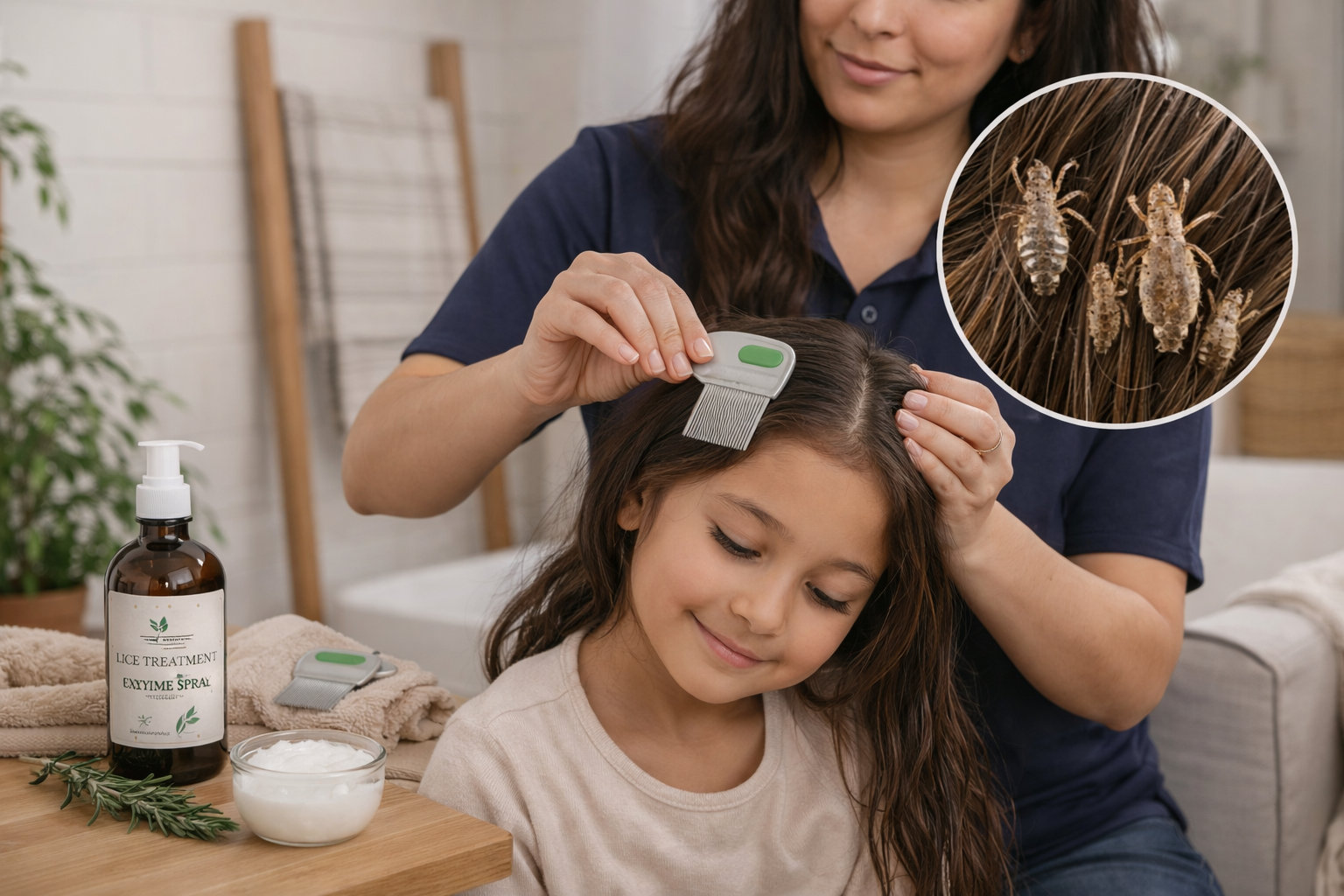
Education empowers caregivers and school staff to recognize resistance patterns, choose appropriate non-pesticide or professional responses, and avoid repeated ineffective OTC treatments that worsen selection pressure. Pre- and post-treatment guidance from professionals clarifies inspection schedules, cleaning priorities, and when to seek repeat evaluation, converting a one-time service into sustained prevention. Community-level education—sharing accurate information about resistance and effective non-toxic options—reduces unnecessary chemical use and supports coordinated responses in schools. Investing in education as part of treatment lowers reinfestation risk and helps preserve the effectiveness of multiple treatment modalities.

Facebook
LinkedIn
Instagram
TikTok