
The Secret Life of Lice: What We Never Knew

Lice are far more fascinating than most people give them credit for. They are not just pests they are tiny survivors that have perfected the art of living on humans for thousands of years.
A Day in the Life of a Louse
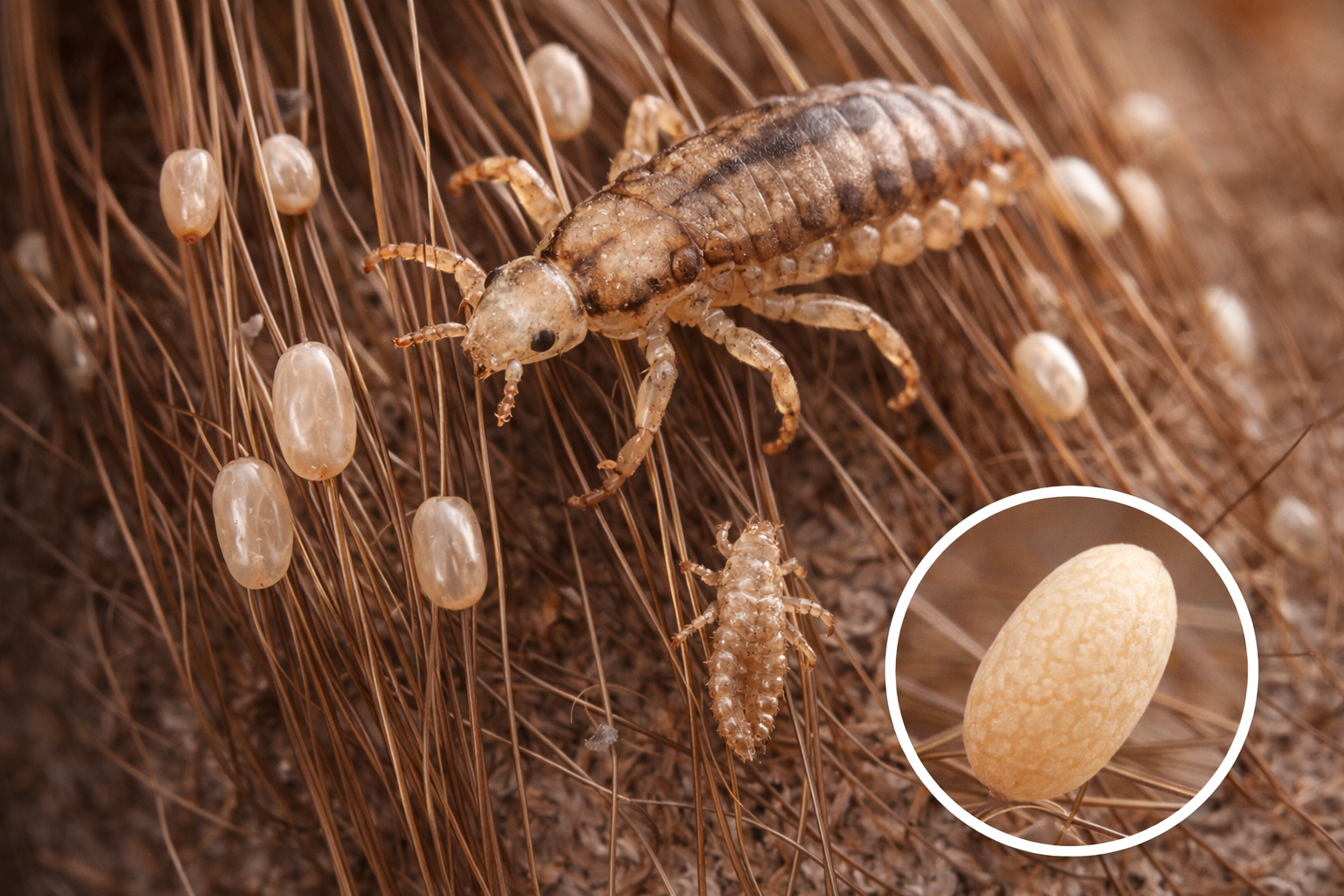
Imagine being smaller than a sesame seed, with a simple goal: survive, feed, and reproduce. Every human head is a world full of food, warmth, and protection. Nits are glued so tightly that many treatments fail if not paired with consistent combing.
The Human Impact
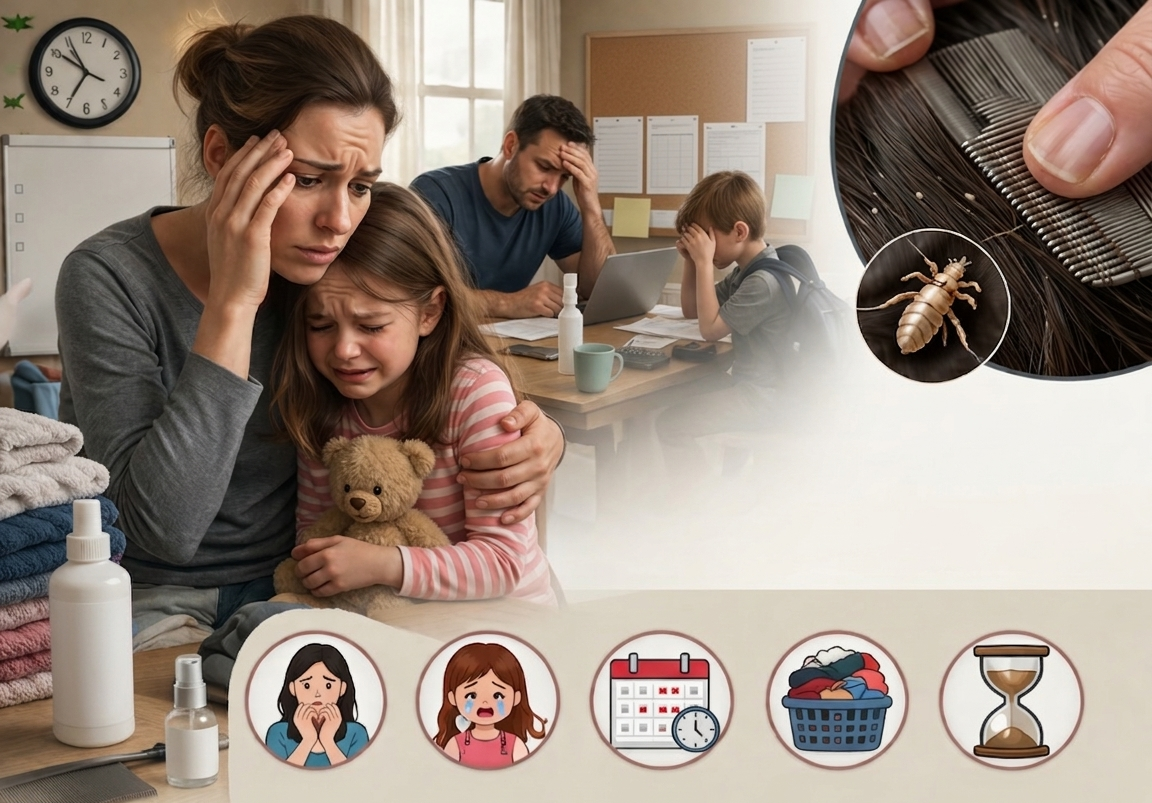
While lice don’t spread disease, their presence creates a storm of psychological stress. Parents panic, kids cry, and the household routines are disrupted. They test patience like no other tiny invader can.
How They Spread

Head-to-head contact
Shared hats, combs, or hair accessories
Sleepovers and group activities
No surface contamination just human closeness.
The Science of Their Resilience
Lice eggs hatch in 7–10 days. Nymphs mature in another 7–10 days, ready to lay more eggs. Miss a single day of combing or treatment, and the cycle continues. Understanding this cycle is key to defeating them.
Lessons from Lice
Persistence is everything — repeated combing works.
Observation is critical — check hair regularly.
Patience is unavoidable — success is gradual, not instant.
Lice may be small, but they remind humans of important survival skills: planning, strategy, and patience.


Facebook
LinkedIn
Instagram
TikTok