10 Lice Myths We've Debunked After Treating 10,000 Atlanta Families
10 Lice Myths We've Debunked After Treating 10,000 Atlanta Families

Lice infestations are a common concern for families, yet many myths surround their nature and treatment. This article aims to debunk ten prevalent lice myths based on our extensive experience treating over 10,000 families in Atlanta. Readers will learn the truth about lice, including their preferences, transmission methods, and the effectiveness of various treatments. Understanding these facts is crucial for effective lice management and prevention. Many families struggle with misinformation, leading to ineffective treatments and unnecessary stress. By addressing these myths, we provide clarity and guidance for families facing lice challenges. This article will cover topics such as lice preferences regarding hair cleanliness, their transmission methods, the effectiveness of home remedies, and the benefits of professional lice removal services.
Do lice prefer dirty hair or clean hair?
A common misconception is that lice prefer dirty hair. In reality, lice can infest hair regardless of cleanliness. This myth can lead to unnecessary stigma and confusion about hygiene and lice infestations. Understanding the truth about lice and hair cleanliness is essential for effective prevention and treatment.
Why lice do not prefer clean hair over dirty hair
Lice have specialized claws that enable them to cling tightly to hair strands. Hair cleanliness does not significantly affect their ability to grip hair. Misunderstandings about lice and hygiene can perpetuate the myth that only unclean individuals get lice, which is simply not true.
How hair cleanliness affects lice infestation risk
Research indicates that lice infestations can occur in individuals with clean or dirty hair. The risk of infestation is more closely related to close contact with an infected person rather than hair cleanliness. Families should focus on preventive measures, such as avoiding head-to-head contact, rather than worrying about hair hygiene alone.
Can lice jump or fly to spread infestation?
Another prevalent myth is that lice can jump or fly from one person to another. In reality, lice are wingless insects that can only crawl. Understanding their mode of transmission is crucial for effective prevention strategies.
How lice actually crawl to transfer between heads

Lice primarily spread through direct head-to-head contact, which is common among children during play or close interactions. They cannot jump or fly, making it essential for families to be aware of how lice are transmitted to implement effective prevention measures.
This understanding of transmission is further supported by research, which also highlights effective chemical-free treatment options.
Head Lice Transmission & Chemical-Free Nit Combing
Head lice are transmitted by head to head contact. Optimal treatment of head lice should be considered only in specific cases; however, nit combing is a good chemical-free option.
Dermatologic infestations, 2012
Common ways head lice spread among families
Lice can also spread through shared personal items such as hats, hairbrushes, and bedding, although this is less common. Educating families about these transmission methods can help reduce the risk of infestations. Implementing preventive measures, such as avoiding sharing personal items, is vital in controlling lice spread.
Are home remedies effective for lice removal?
Many families turn to home remedies for lice treatment, believing they are effective alternatives to professional services. However, the effectiveness of these remedies is often overstated, leading to frustration and prolonged infestations.
Indeed, while many families explore home remedies, their actual effectiveness compared to proven treatments is a critical consideration.
Lice Treatment Options & Home Remedy Effectiveness
Numerous options exist for treating lice infestation and data on effectiveness of treatments are available. Many families report using home remedies to treat lice in what they perceive to be a safe, natural alternative.
Effective treatments for head lice, 2019
Why common home remedies often fail to kill nits
Home remedies, such as mayonnaise or essential oils, often lack the scientific backing needed to effectively eliminate lice and their eggs (nits). Studies show that these methods may not penetrate the protective shell of nits, allowing them to survive and continue the infestation.
Risks and dangers of relying on unproven treatments
Relying on unproven treatments can lead to health risks and wasted time. Families may delay seeking professional help, resulting in more extensive infestations. It is crucial to understand the limitations of home remedies and prioritize effective, evidence-based treatments.
Is professional lice removal in Atlanta more effective than OTC treatments?
Professional lice removal services, such as those offered by Lice Happens Atlanta, provide a more effective solution compared to over-the-counter (OTC) treatments. Understanding the benefits of professional services can help families make informed decisions.
Benefits of chemical-free, in-home lice removal services

Professional services often utilize chemical-free methods that are safe for all family members. These services provide the added benefit of convenience, as they can be performed in the comfort of your home. Families can receive immediate assistance, reducing the stress associated with lice infestations.
Understanding pesticide resistance and treatment success rates
Many OTC treatments contain pesticides that may be less effective due to increasing resistance among lice populations. In contrast, professional services focus on thorough removal techniques that address both lice and nits, ensuring a higher success rate. Families should consider the long-term effectiveness of professional services over temporary OTC solutions.
Research further supports the declining effectiveness of traditional pesticide-based treatments and highlights the primary mode of lice transmission.
Debunking Lice Myths: Efficacy, Transmission & Treatment
Conflicting information about the proper treatment of head lice has given rise to uncertainty among patients and treating personnel. For example, the reported efficacy of permethrin fell from 97% in the 1990s to 30% in 2010. The main route of transmission is direct head-to-head contact; transmission via inanimate objects is of no relevance. Wet combing is the most sensitive method of establishing the diagnosis and monitoring treatment. Resistance to neurotoxic pediculocidal drugs is increasing around the world. Dimethicones are the treatment of choice, with 97% efficacy.
Head lice: Epidemiology, biology, diagnosis, and treatment, 2016
Do lice infest only certain groups like girls or children?
A common myth is that lice infestations only affect certain groups, such as girls or children. In reality, lice can infest anyone with hair, regardless of age or gender.
Who can get head lice regardless of age or gender
Lice do not discriminate based on age or gender; anyone with hair can become infested. This misconception can lead to unnecessary stigma and shame for those affected. Educating families about the universal nature of lice infestations is essential for reducing stigma and promoting effective prevention.
Why lice infestations affect entire families
Lice infestations often spread within families due to close contact and shared living spaces. Understanding the dynamics of lice transmission can help families implement effective prevention strategies, such as regular checks and open communication about lice.
Is one treatment enough to eliminate lice completely?
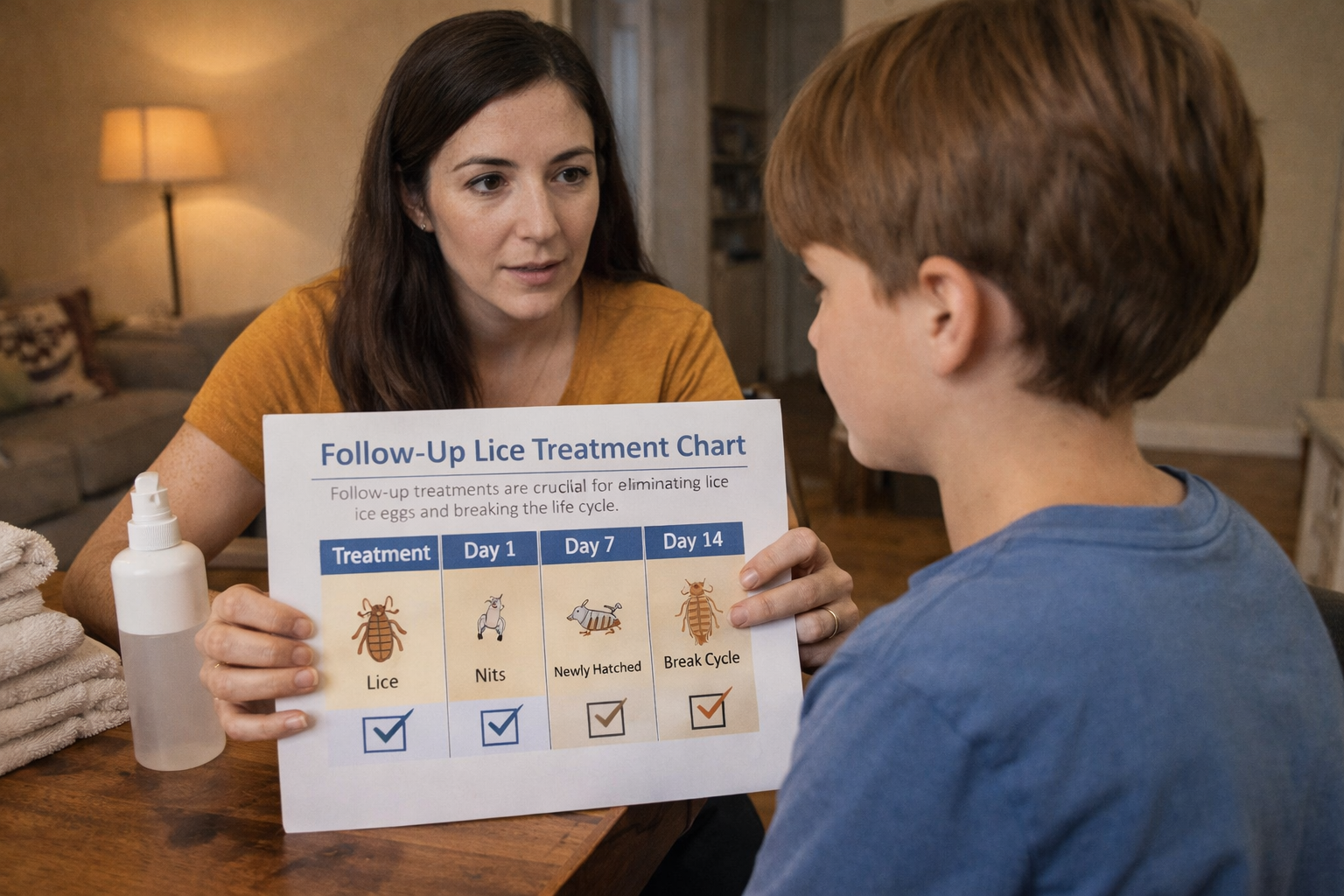
Many families wonder if a single treatment is sufficient to eliminate lice. The answer is often no; follow-up treatments are crucial for breaking the lice life cycle.
The importance of follow-up treatments to break the lice life cycle
Lice have a life cycle that includes eggs (nits), nymphs, and adults. A single treatment may not eliminate all stages of lice, particularly nits, which can hatch after treatment. Follow-up treatments are essential to ensure complete eradication of lice and prevent reinfestation.
How to identify viable nits versus empty casings after treatment
After treatment, it is important to distinguish between viable nits and empty casings. Viable nits are typically yellow or brown and found close to the scalp, while empty casings are white and translucent and usually found further from the scalp. Understanding this difference can help families assess the effectiveness of their treatment and determine if further action is needed.
MythTruthImplicationLice prefer dirty hairLice can infest clean or dirty hairFocus on prevention, not hygieneLice can jump or flyLice can only crawlClose contact is the primary transmission methodHome remedies are effectiveHome remedies often failSeek professional help for effective treatmentProfessional services are unnecessaryProfessional services are more effectiveInvest in thorough, chemical-free treatmentsLice infest only certain groupsAnyone with hair can get liceEducate families to reduce stigmaOne treatment is enoughFollow-up treatments are essentialUnderstand the lice life cycle for effective eradication
This table summarizes the myths and truths about lice, highlighting the importance of accurate information for effective treatment and prevention.
Lice infestations can be a challenging experience for families, but understanding the facts can make a significant difference. By debunking these common myths, families can take informed steps toward effective prevention and treatment. Professional services, such as those offered by Lice Happens Atlanta, provide a reliable solution for families facing lice challenges. With a focus on education and effective treatment, families can overcome lice infestations and regain peace of mind.

Facebook
LinkedIn
Instagram
TikTok