
What To Do When Child Gets Lice
What To Do When Child Gets Lice
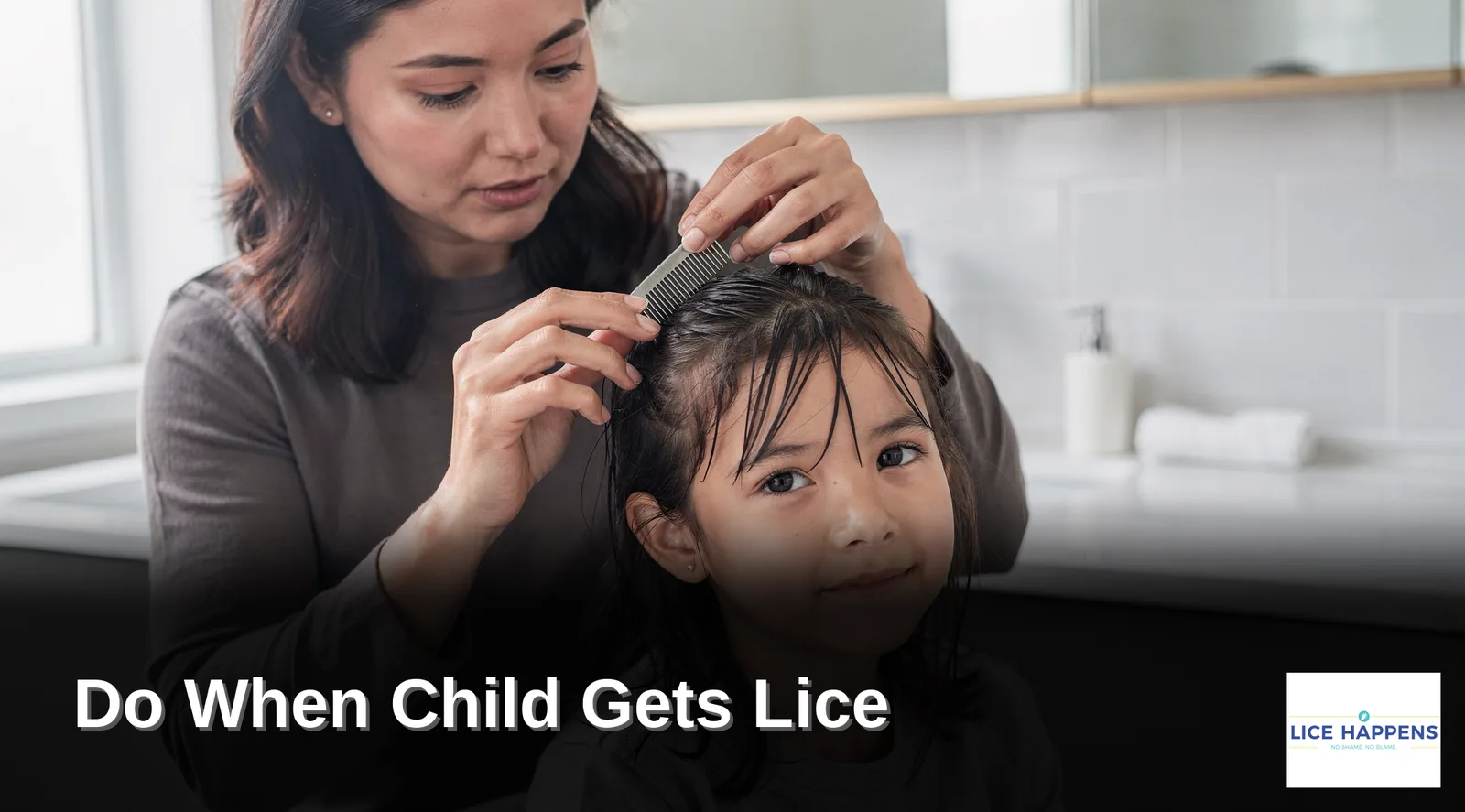
Confirmation of live lice or nits near the scalp calls for immediate action: treat every infested household member the same day, wash bedding. Recently worn clothing in hot water, and comb hair daily with a fine-tooth comb. Certified specialists at Lice Happens GA use science-based methods proven effective for over 10,000 families across the metro area.
Key Takeaways
Head lice transmit no diseases; itching represents the only major health concern.
Treat all household members and close contacts immediately upon discovering active infestation.
Use over-the-counter or prescription medications, following all instructions carefully for effectiveness.
Lice Happens GA provides professional in-home treatment starting at $125 for short hair.
What Should You Do First After Finding Lice?
Confirmation of live lice or nits near the scalp calls for a calm, methodical response, not a frantic run to the store. A family facing this discovery needs a clear sequence of actions, starting with verification and moving toward treatment.
Finding head lice in a child's hair rarely signals a medical emergency. Lice aren't known to spread disease, and itching remains the only significant health concern they cause. That fact alone should lower the stress level before anyone reaches for a treatment product.
Is Lice an Emergency?
No. A lice discovery calls for prompt attention, not panic. Since lice don't transmit illness, families have time to screen properly and choose an effective treatment method rather than rushing into the first product on a shelf.
Once a case is confirmed, parents should follow these head lice treatment steps for parents:
Screen every household member's scalp, since lice crawl from head to head during close contact and never jump or fly.
Isolate shared hair accessories, hats, and bedding used by the affected child within the past two days.
Contact a professional screening service, such as the head check offered by Lice Happens GA, to confirm an active infestation.
Schedule same-visit treatment when possible; the $35 screening fee is waived if treatment happens during that appointment.
Does Hair Type Affect Lice Risk?
No. Curly, straight, dyed, and natural hair all offer lice a suitable place to live. Knowing how to treat lice in kids starts with dropping the assumption that certain textures are protected.
Families searching for guidance on what to do when child gets lice often benefit from mobile lice removal Atlanta services, which bring certified screening and treatment directly to the home, removing the guesswork from that first stressful hour.
How Do You Treat Lice In Kids Step-By-Step?
Effective lice treatment follows a clear sequence: confirm the infestation, choose the right medication, apply it correctly, then monitor for regrowth. Parents wondering what to do when child gets lice often feel the urge to rush. Skipping steps is exactly what allows lice to survive a first attempt. A calm, methodical process protects against that outcome.
Georgia households can treat head lice with pediculicides, medications formulated specifically to kill lice, available either over the counter or by prescription depending on how severe the infestation is. Certain formulas kill both live lice and their eggs, so a single correct application often means retreatment isn't necessary.
The following head lice treatment steps for parents outline the safest path from diagnosis to resolution:
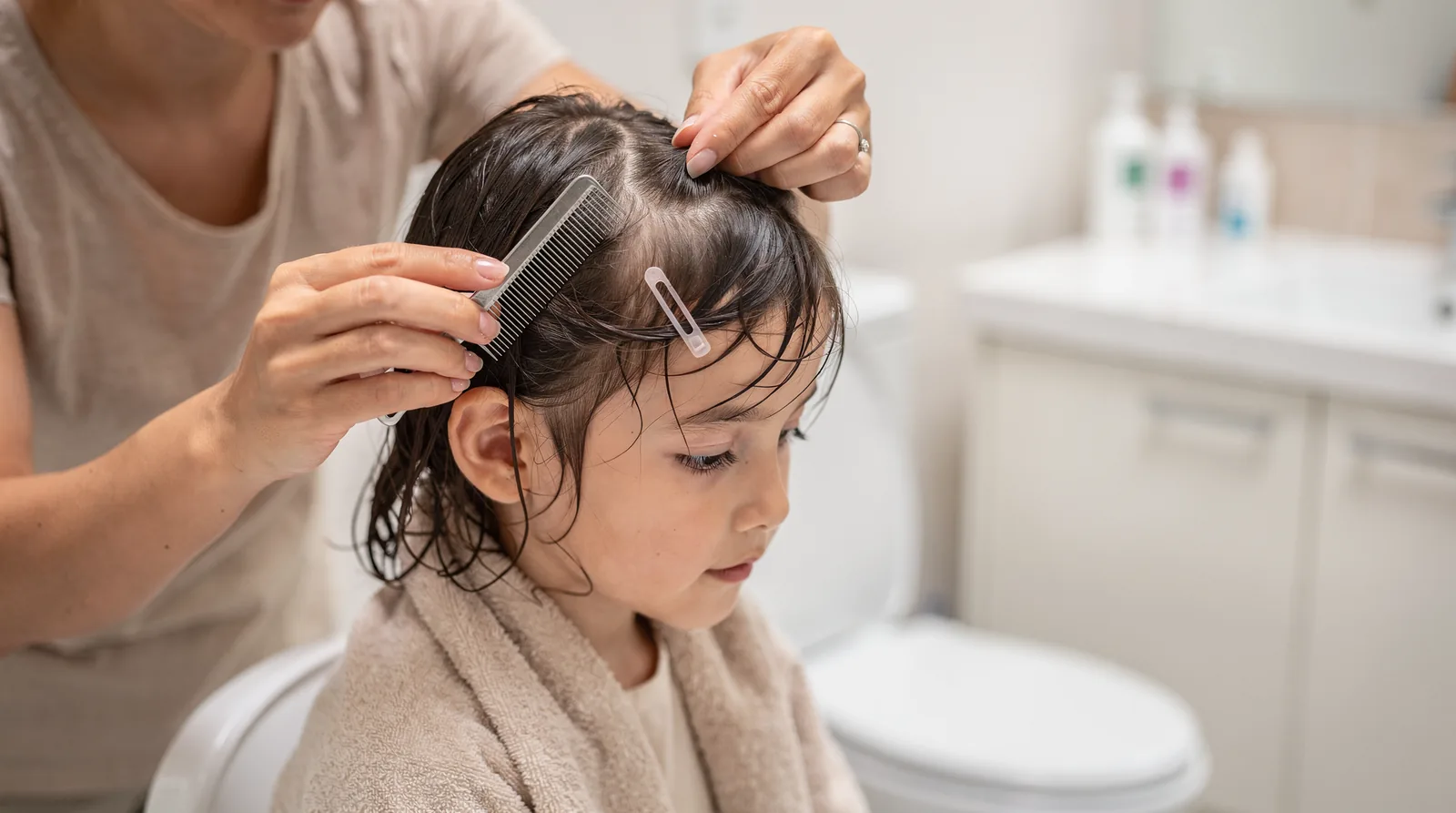
Confirm the case by finding head lice in child hair, checking close to the scalp behind the ears and at the nape of the neck.
Select a pediculicide suited to the infestation, over-the-counter or prescription strength.
Read the entire product label before opening it.
Apply the medication exactly as directed, timing each stage precisely.
Comb out remaining nits with a fine-tooth comb.
Recheck the scalp several days later to confirm success.
What If Over-the-Counter Treatment Doesn't Work?
Resistance explains most treatment failures. Many lice populations in the Atlanta area have developed resistance to the insecticides in common OTC products, letting some lice survive a full treatment cycle. When that happens, non-toxic professional methods that physically remove lice and nits often succeed where chemical shampoos fall short.
Parents researching how to treat lice in kids after a failed attempt don't need to repeat the same product and hope for a different result. Certified specialists providing mobile lice removal atlanta families rely on bring science-based, hands-on removal directly into the home, replacing guesswork with a proven process and easing the stress of a second failed treatment. This reflects the core mission behind Lice Happens GA: judgment-free, expert care delivered wherever a family needs it most.

How Do You Screen the Whole Family?
A full household check follows a specific order: every family member and close contact gets screened once one child tests positive. This step matters because head lice spread through direct head-to-head contact. A single missed carrier can restart the cycle within days. Skipping this check is one of the most common reasons families see lice return after treatment.
Follow this sequence for finding head lice in child hair and beyond:
Gather all household members, including siblings, parents, and anyone who shares a room with the infested child.
Part hair in small sections under bright light, checking scalp and hairline first.
Look for live insects and attached eggs, not just scalp irritation.
Note anyone who shares a bed with the child, since close sleeping contact raises transmission risk.
Treat everyone with a confirmed active infestation at the same time, rather than staggering treatment across days.
Do Pets Need to Be Checked Too?
No. Animals do not carry or spread head lice. Cats, dogs, and other household pets can be skipped entirely during screening. Focus checking time and attention on people, not pets.
What Counts as a "Close Contact"?
Close contact means anyone who has had head-to-head interaction with the infested child recently, not just people living in the home. That can include grandparents, caregivers, or a child who had a recent sleepover.
Lice Happens GA brings this same head lice treatment steps for parents framework directly into homes across Fulton, DeKalb, Cobb, and Gwinnett counties. Since 2015, the team has screened and treated more than 10,000 families, giving specialists deep, practical experience with whole-household checks under real family conditions.
Should You Choose OTC or Professional Removal?
Professional treatment delivers predictable, science-backed results, while drugstore kits carry a documented risk of failure. New research shows many head lice populations have developed resistance to common over-the-counter products, which explains why so many families face repeat infestations after standard drugstore treatments. Knowing what to do when child gets lice starts with understanding this resistance problem before choosing a method.
Lice Happens GA offers transparent, apartment-rate pricing for in-home lice treatment, removing the guesswork of unpredictable product costs. Short hair treatment above the shoulders is priced at $125 for families choosing mobile lice removal atlanta service. The company accepts HSA and FSA funds to help offset the expense. Service runs 365 days a year. Parents who just finished finding head lice in child hair don't have to wait for a weekday appointment or store hours.
Is Over-the-Counter Treatment Ever Enough?
OTC products can clear light, early infestations that haven't developed resistance. Families following careful head lice treatment steps for parents, including repeat combing and precise reapplication, sometimes succeed at home. Resistant lice strains, however, frequently survive standard chemical treatments, leading to reinfestation within days and repeated spending on products that don't work.
Factor
OTC Treatment
Professional Removal
Cost structure
Repeated, unpredictable purchases
Apartment-rate, transparent pricing
Resistance risk
High among resistant lice populations
Not affected by product resistance
| Availability | Limited to
What Mistakes Should Parents Avoid During Treatment?
Five errors derail lice treatment more than any others: trusting styling products, misreading regrowth signs, stopping treatment early, skipping healthcare guidance, and panicking instead of following a plan. Each misstep gives lice a chance to survive and multiply. Avoiding them keeps a family on track toward a full, lasting resolution.
Does hair dye or hairspray get rid of lice?
No. Hair dye, gel, and hairspray do not reliably prevent or treat head lice, no matter how popular this belief has become among parents swapping advice. Lice don't care how clean, styled, or colorful hair looks — they're after warmth and a steady blood supply near the scalp. Relying on styling products instead of proven removal methods lets an infestation continue unchecked while parents believe the problem is handled.
How can parents confirm lice are actually gone?
Confirmation requires looking for live crawling lice or nits close to the scalp, not judging by hair texture or product use. This visual check remains the only reliable proof of an active infestation or a successful clearance.
Beyond styling myths, three additional mistakes commonly derail progress:
Stopping treatment too early. Even a few live lice or viable eggs left behind allow the infestation to return quickly.
Assuming retreatment is automatically necessary. Parents who see lice again should talk to a healthcare provider before repeating treatment, since not every recurrence means the first round failed.
Skipping close scalp inspection. Checking hair strands without examining the base near the scalp misses the evidence that actually confirms whether lice are present.
Patience and precision matter more than speed here. A rushed, incomplete process costs families more time in the long run than a careful one.
FAQ
Is finding lice in a child's hair a medical emergency?
No. Lice transmit no diseases. Itching stands as the only significant health concern. Parents have time to screen properly and choose an effective treatment method.
What are the first steps after confirming lice?
Screen every household member's scalp, isolate shared hair accessories and bedding from the past two days, and contact a professional screening service like Lice Happens GA to confirm the infestation.
Does a child's hair type make them more likely to get lice?
No. Curly, straight, dyed, and natural hair all offer lice a suitable place to live, so no texture provides protection against infestation.
Conclusion
In closing, discovering lice in your child's hair understandably triggers stress, but prompt, professional treatment stops the cycle quickly. Our certified specialists have guided thousands of families through this common childhood challenge with science-based solutions and transparent care. You don't face this alone—expert help exists to restore peace of mind and get your family back to normal.

Facebook
LinkedIn
Instagram
TikTok