
How to Spot Head Lice Early: Lice Removal and Prevention Services
How to Spot Head Lice Early: Lice Removal and Prevention Services

Early detection depends on checking the scalp, not judging hair cleanliness or style—hair dye, gel, and hairspray offer zero protection, according to Lice Happens GA Parents should part hair in small sections near the nape and behind ears, searching for live crawling lice and nits glued close to the scalp, since itching alone isn't a reliable early indicator.
Key Takeaways
Live lice are the only definitive sign of infestation; use a fine-toothed detection comb to check.
Head lice spread through direct head-to-head contact, not from dirty hair or poor hygiene.
Itching, tickling sensations, and scalp sores indicate possible lice; early detection prevents spread to 10,000+ families.
Lice Happens GA serves Atlanta families 365 days yearly with transparent, apartment-rate treatment starting at $125.
Why Does Catching Lice Early Matter?
Early detection stops a manageable problem from becoming a household-wide outbreak. Waiting for obvious symptoms lets lice multiply across siblings, classmates, and even carpools before anyone notices. Lice Happens GA has served over 10,000 Atlanta-area families since 2015, demonstrating expertise in identifying early-stage infestations.
That experience matters because the body's own warning system runs slow. Itching often does not appear right away after a first infestation. Parents who wait for scratching to start may already be managing dozens of live insects and eggs. Knowing how to spot head lice early means looking past itching and searching directly for movement or nits near the scalp.
What Are the Earliest Signs Parents Should Watch For?
The early signs of head lice rarely include obvious symptoms at first. Look instead for small white or tan specks glued near the scalp, a tickling sensation, or restlessness at night. Head lice symptoms in children often surface as scalp irritation from scratching well after an infestation has already taken hold.
Is At-Home Screening Enough?
Checking for lice at home with a fine-toothed comb catches many cases, but small or newly hatched lice hide easily in thick or curly hair. A trained eye reduces the chance that a missed nit turns into a repeat infestation weeks later.
Lice Happens GA stays open 365 days a year. Families never wait for a weekday appointment once concern sets in. Mobile head lice removal Atlanta families trust brings RN-founded expertise directly into the home. That founding principle — fast, judgment-free access to trained care — reflects Lice Happens GA's core mission and approach to client care.
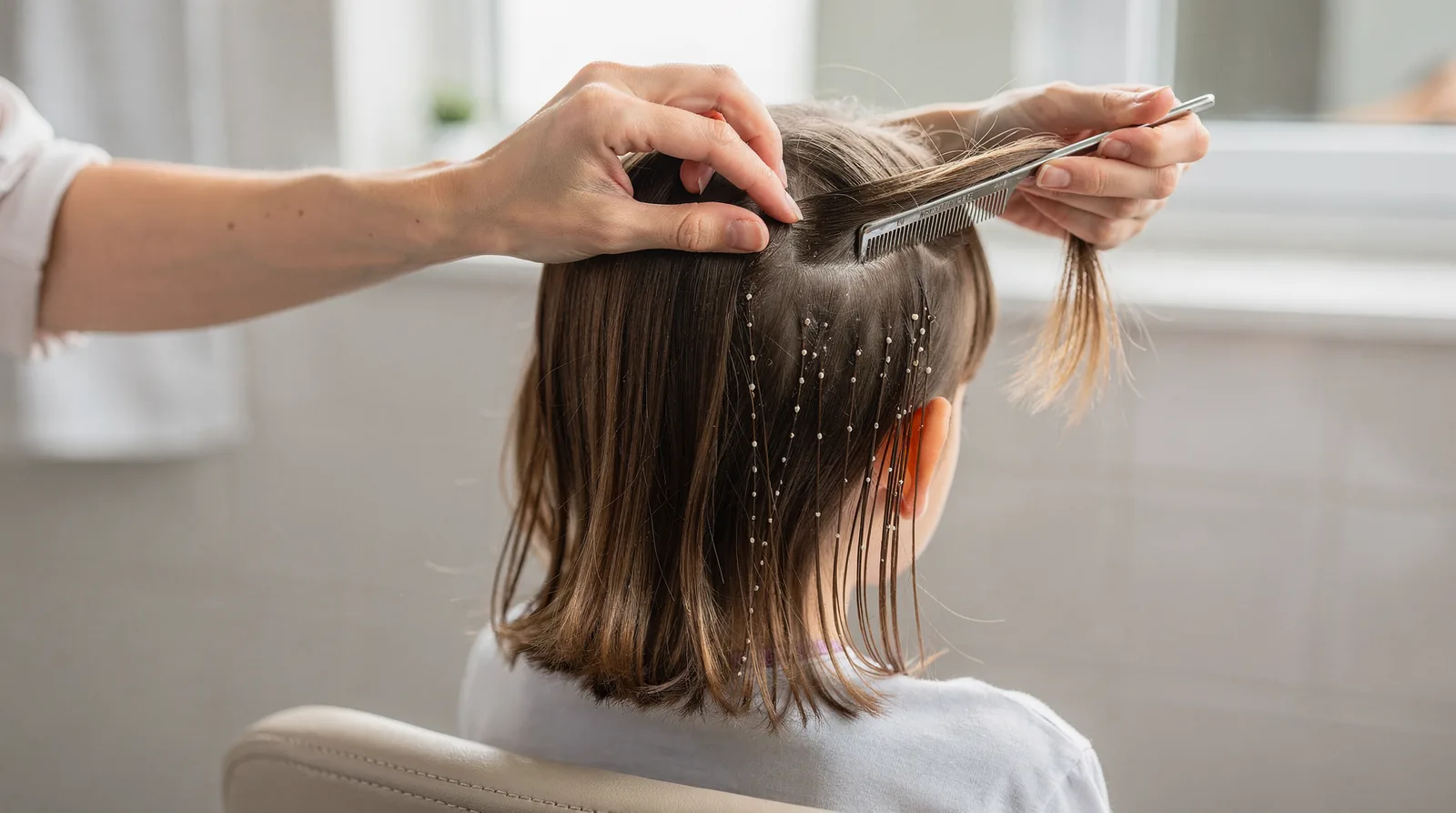
What Are the Earliest Signs of Head Lice?
Scalp itching almost always arrives before any other symptom. A tickling or crawling sensation across the scalp often shows up even earlier than visible bugs or eggs. Recognizing early signs of head lice matters because catching an infestation in its first days keeps it from spreading through a classroom, a carpool, or an entire household.
Itching stands out as the most commonly reported symptom in children with head lice. That itch comes from the body's reaction to louse saliva during feeding, not from dirt or poor hygiene. A related but subtler clue is the feeling of something moving through the hair near the scalp. A sensation many parents describe before they ever spot a live louse.
Why does itching show up before anything else?
The scalp reacts to lice bites with mild irritation, and that irritation builds gradually. Some children scratch for days before a parent notices nits or crawling insects. Waiting for visible bugs before checking for lice at home allows the infestation more time to spread.
What other early clues should parents watch for?
Beyond itching and movement sensations, a few patterns tend to repeat across cases:
Persistent scratching focused behind the ears or at the nape of the neck
Restlessness or trouble sleeping, since lice feed more actively at night
Small red bumps on the scalp from repeated scratching
A family member with confirmed lice, raising the odds of shared exposure
Head lice symptoms in children frequently overlap with dandruff or dry scalp, which delays diagnosis in many households. This is exactly the gap a professional head lice screening is built to close. Lice Happens GA provides mobile head lice removal Atlanta families rely on, alongside screening designed to catch infestations before symptoms become obvious at home, supporting a strong track record in identifying and resolving cases. That combination of early detection and science-based care reflects Lice Happens GA's core brand mission: calm, judgment-free support delivered directly to a family's door.
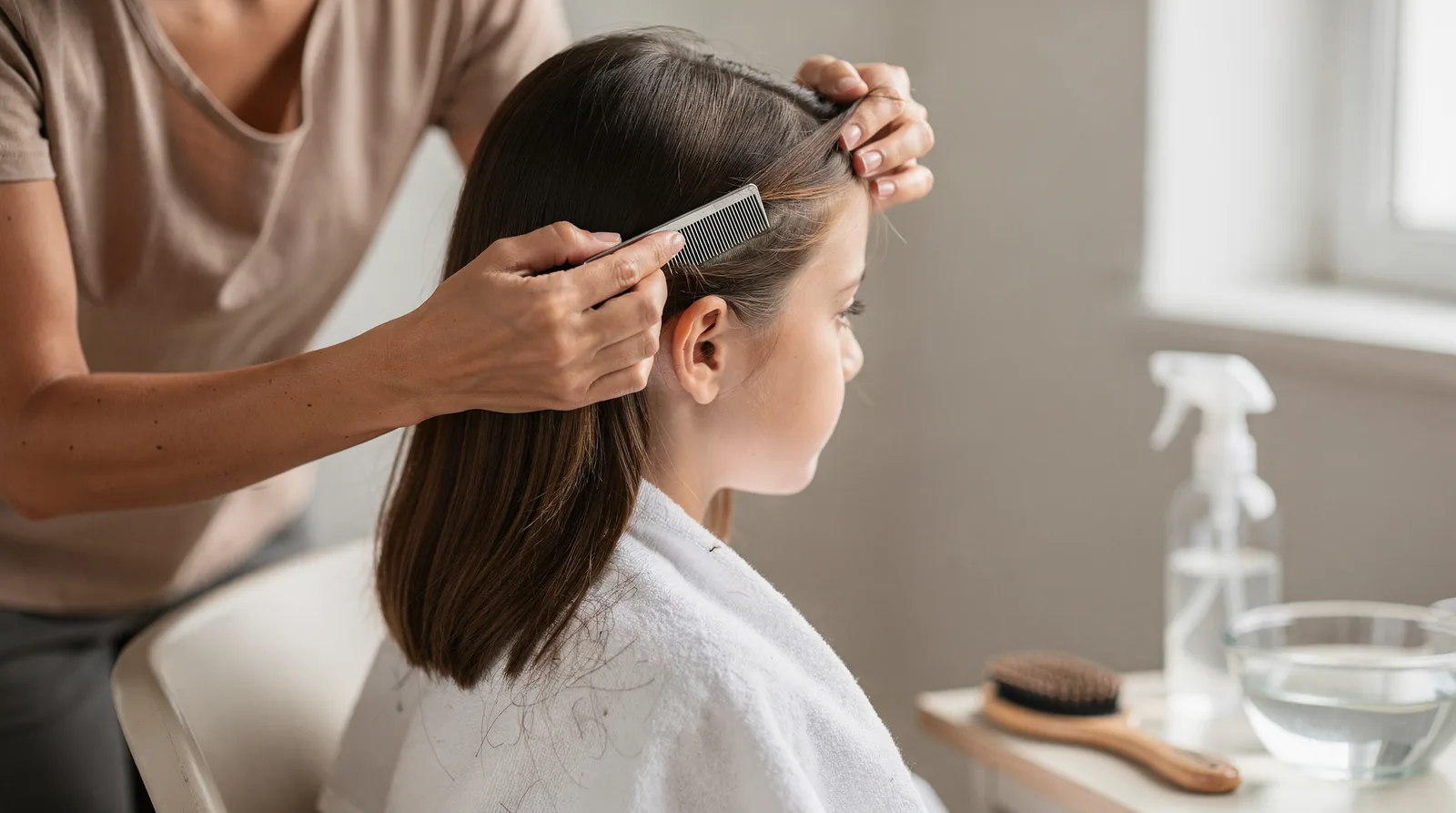
How Do You Check for Lice at Home?
Checking for lice at home starts with parting dry or damp hair into small sections under strong light and combing each section with a fine-toothed detection comb. The detection comb catches live lice that move too fast for the naked eye to spot on its own. Skipping the comb check delays diagnosis and lets lice spread through a classroom or household unnoticed.
Knowing how to spot head lice early means checking behind the ears and along the nape of the neck first. Lice favor warm areas close to the scalp. Early signs of head lice include a persistent itch, a crawling sensation on the scalp, and small bumps left behind by scratching. Head lice symptoms in children sometimes fail to appear at all during a first infestation, which is exactly why a visual comb-through matters more than waiting for a complaint.
How Can Parents Tell Nits From Dandruff?
Nits attach firmly to the hair shaft near the scalp and resist pulling between two fingers. Dandruff, by contrast, brushes away with a light touch. Debris that won't budge after a gentle tug should be treated as a nit until proven otherwise.
A basic home check follows a simple sequence:
Section hair into four to six parts.
Comb each section from root to tip with a detection comb.
Wipe the comb on a white paper towel after every pass to spot lice or nits.
Repeat weekly whenever a school or camp re
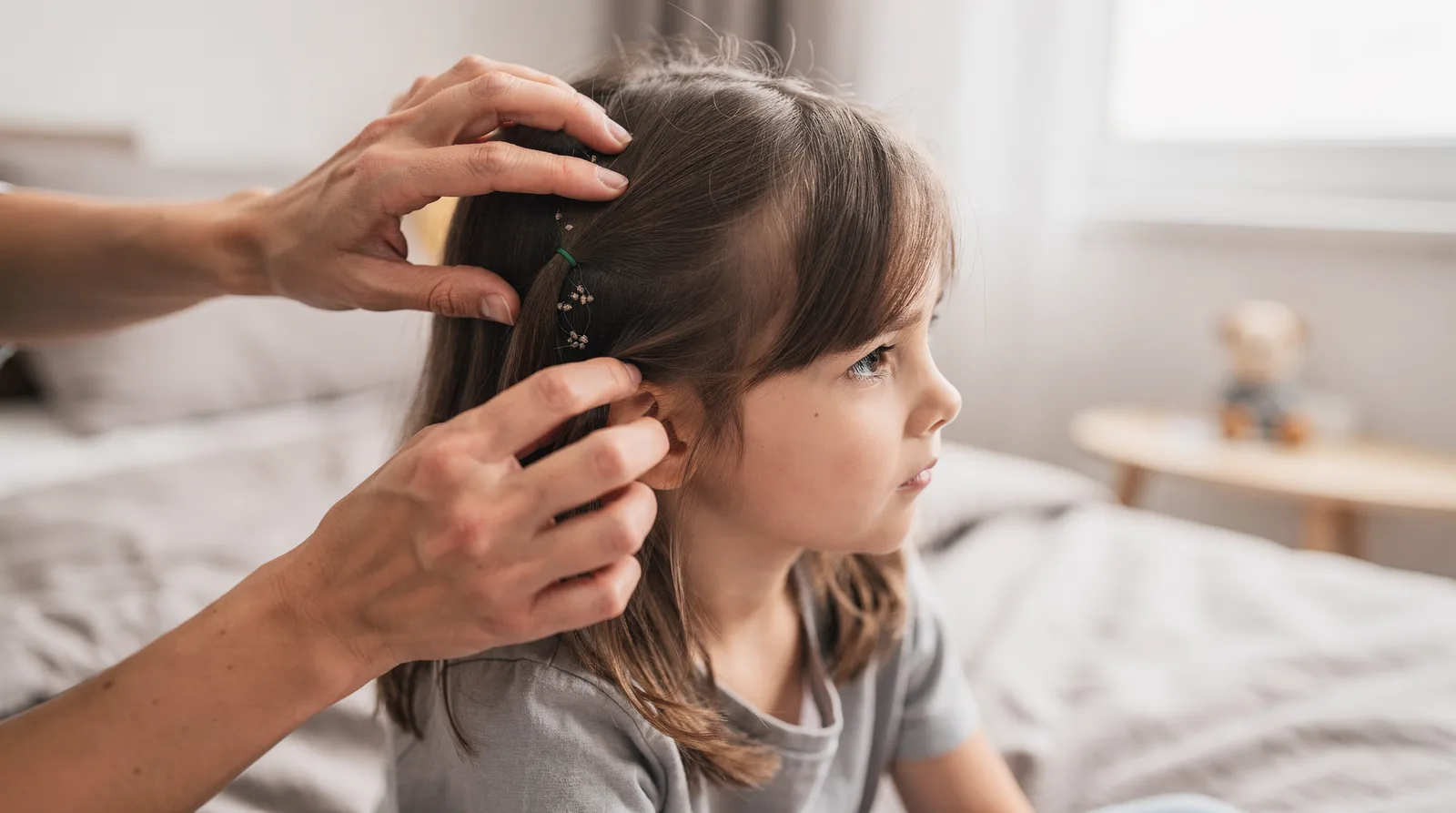
How Do Head Lice Symptoms Show in Kids?
Head lice symptoms in children usually start small and easy to dismiss as a dry scalp or seasonal irritation. Young children and their caregivers face the highest exposure. Lice spread through direct, close contact rather than through shared uncleanliness. That pattern matters for Atlanta families juggling carpools, sleepovers, and classroom seating charts, where head-to-head contact happens constantly.
Knowing how to spot head lice early starts with watching behavior, not just scalp appearance. A child scratching more than usual, especially behind the ears or at the nape of the neck, deserves a closer look. Restlessness at bedtime can also signal trouble, since lice tend to move more actively in the dark.
What are the early signs of head lice parents often miss?
Early signs of head lice rarely include visible bugs at first. Parents more often notice tiny white or tan specks near the scalp that resemble dandruff but won't brush away. A persistent tickling sensation, as if something is moving through the hair, often shows up before itching does.
Does hair styling protect kids from getting lice?
No. Hair dye, gel, and hairspray offer no reliable defense against head lice. Lice attach regardless of styling, color, or product use. A freshly dyed or heavily gelled head carries no real advantage.
Checking for lice at home works best with a fine-toothed comb and good lighting, section by section. Families across Fulton, DeKalb, Cobb, and Gwinnett counties can apply this same screening approach consistently, since the standard for spotting lice doesn't change by zip code. Consistent checks, paired with awareness of how lice actually spread through contact, catch infestations before they take hold.
When Should You Call in Lice Experts?
Professional help becomes the right call once a household confirms lice through home checks. When self-treatment fails after a genuine attempt. Waiting rarely helps; a suspected case that goes unconfirmed often spreads to siblings, classmates, or coworkers before anyone acts. Mobile head lice removal atlanta families trust exists specifically to close that gap quickly and without added stress.
A same-day visit changes the outcome. Same-day availability means a suspected case gets confirmed and treated fast, often before it spreads further through a household or classroom. That speed matters more than most parents realize during the first 48 hours after exposure.
Credentials matter just as much as speed when a stranger enters the home to work near a child's scalp. A BBB A+ rating signals a level of accountability parents can lean on when inviting a specialist inside. Lice Happens GA operates with a small, dedicated team of 7 employees, which supports consistent, hands-on service on every visit rather than rotating strangers.
Does insurance or HSA/FSA cover professional lice treatment?
Families can use HSA and FSA funds to cover the cost of professional screening and treatment. That makes expert removal a practical option rather than an out-of-pocket luxury.
What should a visit include?
A qualified visit should require:
One visit, with no repeat trips needed
Same-day scheduling when available
Discreet, judgment-free service in the home
FAQ
Do itching or hair cleanliness indicate lice?
Neither indicates lice reliably. Hair dye, gel, and hairspray offer zero protection, and itching often appears well after an infestation takes hold. Parents must check the scalp directly for lice or nits.
What is the best way to check for head lice?
Part hair in small sections near the nape and behind the ears using a fine-toothed detection comb. Search for live crawling lice and nits glued close to the scalp, since these are the only definitive signs.
Why choose Lice Happens GA for lice removal?
Lice Happens GA is RN-founded, stays open 365 days a year, and offers transparent, apartment-rate pricing starting at $125. The team has served over 10,000 Atlanta-area families since 2015.
Conclusion
In closing, early detection transforms a stressful situation into a manageable one. By knowing what to look for—itching, nits near the scalp, and live lice in the hair—you catch infestations before they spread further. Trust your instincts as a parent, act promptly when you spot signs, and remember that head lice are a common, treatable issue, not a reflection of hygiene or care. With swift identification and proper treatment, your family returns to normal quickly.


Facebook
LinkedIn
Instagram
TikTok