
Early Signs of Lice: Spot Them Fast
Early Signs of Lice: Spot Them Fast
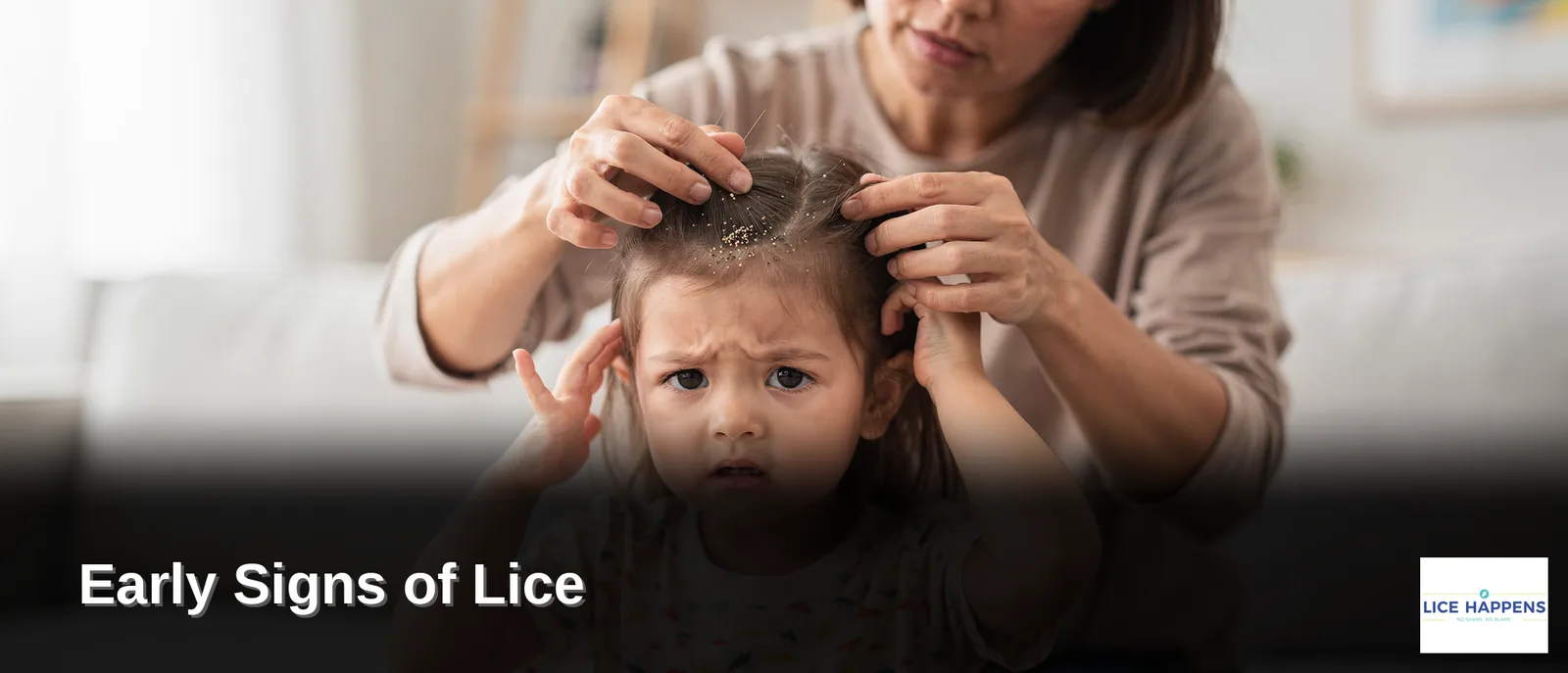
Early detection hinges on close scalp checks, not styling habits—hair dye, gel, and hairspray fail to prevent or mask lice. Parents should look for live crawling lice and nits attached near the scalp, plus scalp itching or tickling sensations. Lice Happens GA certified specialists confirm infestations quickly, stopping classroom and household spread before it accelerates.
Key Takeaways
Itching is the most common early warning sign that head lice infestation has begun on your scalp.
Feeling movement in hair or noticing small bumps from scratching indicates lice are actively feeding and spreading.
Head lice remain most active at night, causing sleep disruption and making nighttime the ideal detection window.
Adult lice appear gray or tan with claw-like legs, measuring smaller than a sesame seed for identification.
What Are the Earliest Signs of Lice?
Itching stands as the most common early sign of a head lice infestation, caused by an allergic reaction to bites on the scalp. A light case, however, often produces no symptoms at all, especially during a child's first exposure. That gap explains why lice spread through classrooms and homes before anyone notices a problem.
Parents searching for early signs of lice need to look past scratching alone. Scalp irritation typically develops days or weeks after lice arrive, since the body needs time to react to the bites. Waiting for that reaction means missing the window when treatment is simplest.
Do Lice Symptoms Appear Before Itching Starts?
Yes. Lice symptoms before itching can include a tickling sensation on the scalp or the feeling that something is moving through the hair. Kids may also seem more restless at bedtime, since lice tend to be more active in darkness. Catching these subtler cues counts as how to detect lice early, well before the telltale itch sets in.
How Can Parents Tell Nits from Dandruff?
Nits vs dandruff confusion delays treatment more than almost any other factor. Dandruff flakes brush away easily; nits cling tightly to the hair shaft near the scalp and resist a light shake or comb-through.
Because light infestations hide so well, professional screening catches cases that a quick at-home check misses. Since 2015, Lice Happens GA has served more than 10,000 families, building the kind of pattern recognition that spots early-stage lice before an outbreak takes hold at home or school.
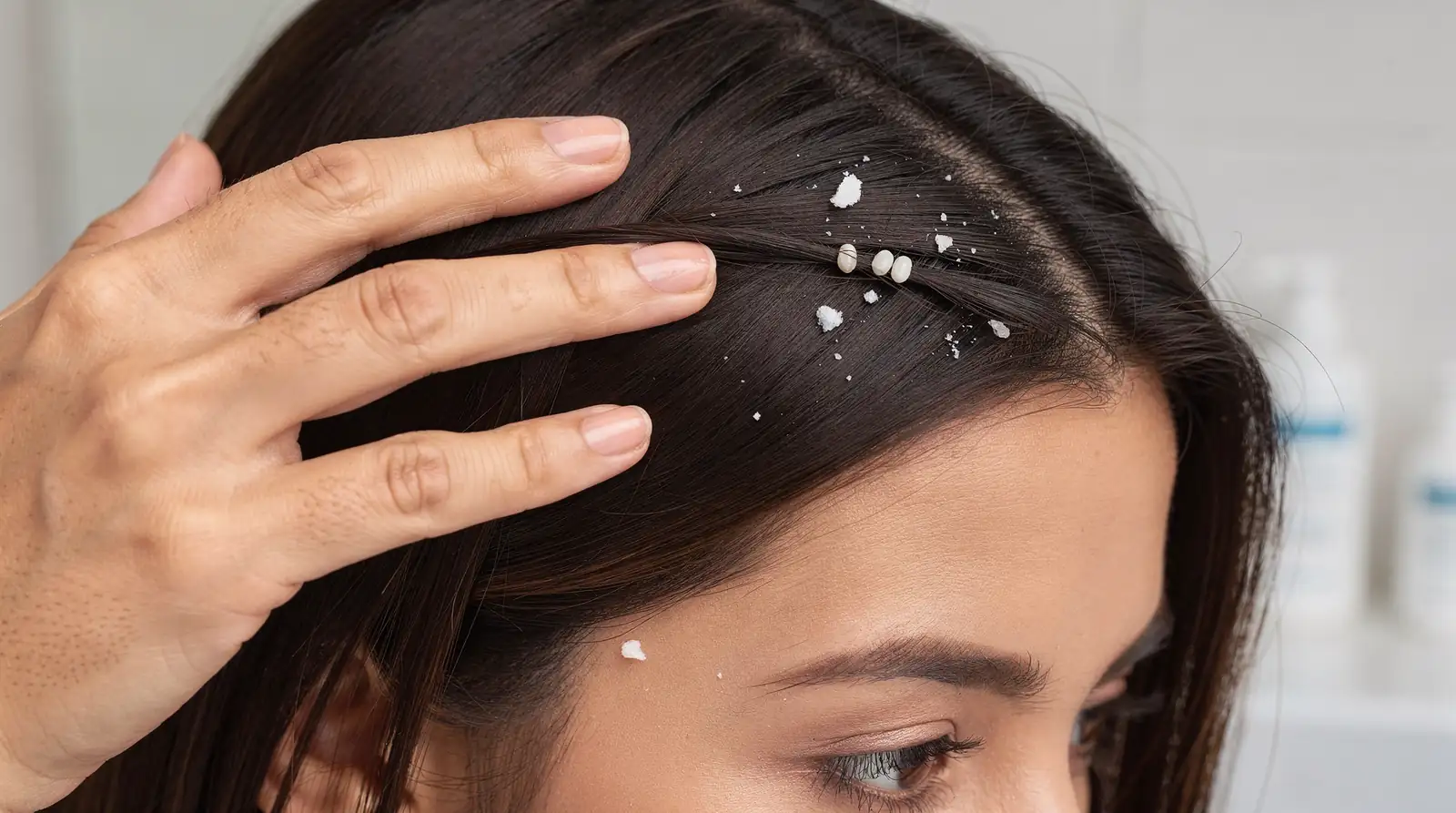
How Can You Tell Nits From Dandruff?
Color offers the first clue, but texture settles the question. Head lice eggs, called nits, show up white, yellowish, tan, or brown and cluster close to the scalp rather than scattering along the hair shaft. Dandruff flakes brush away with a light touch or a shake of the head. Nits vs dandruff comes down to grip: nits cement themselves to individual hair strands and resist being pulled free, even with firm fingers.
Feature | Nits | Dandruff |
|---|---|---|
Color | White, yellowish, tan, or brown | White or grayish |
Location | Close to the scalp, on the hair shaft | Scattered throughout hair and on shoulders |
Removal | Does not come off easily when pulled | Brushes or flakes off with ease |
What are the early signs of lice parents should watch for?
Catching an infestation before it spreads starts with knowing how to detect lice early. Parents who understand the early signs of lice often spot nits during routine hair brushing, well before a child starts scratching. That matters, since lice symptoms before itching frequently go unnoticed in a busy household morning.
Should a family get a professional head check?
A trained screening removes the guesswork that dandruff and hair debris create. Lice Happens GA offers a $35 head check, waived when treatment happens during that same visit, giving families a fast, accurate answer instead of a magnifying glass and a hunch. This in-home mobile lice removal Atlanta screening covers Fulton, DeKalb, Cobb, and Gwinnett counties, helping households confirm an infestation and start treatment the same day. A meaningful step toward keeping lice from spreading to siblings and other family members at home.
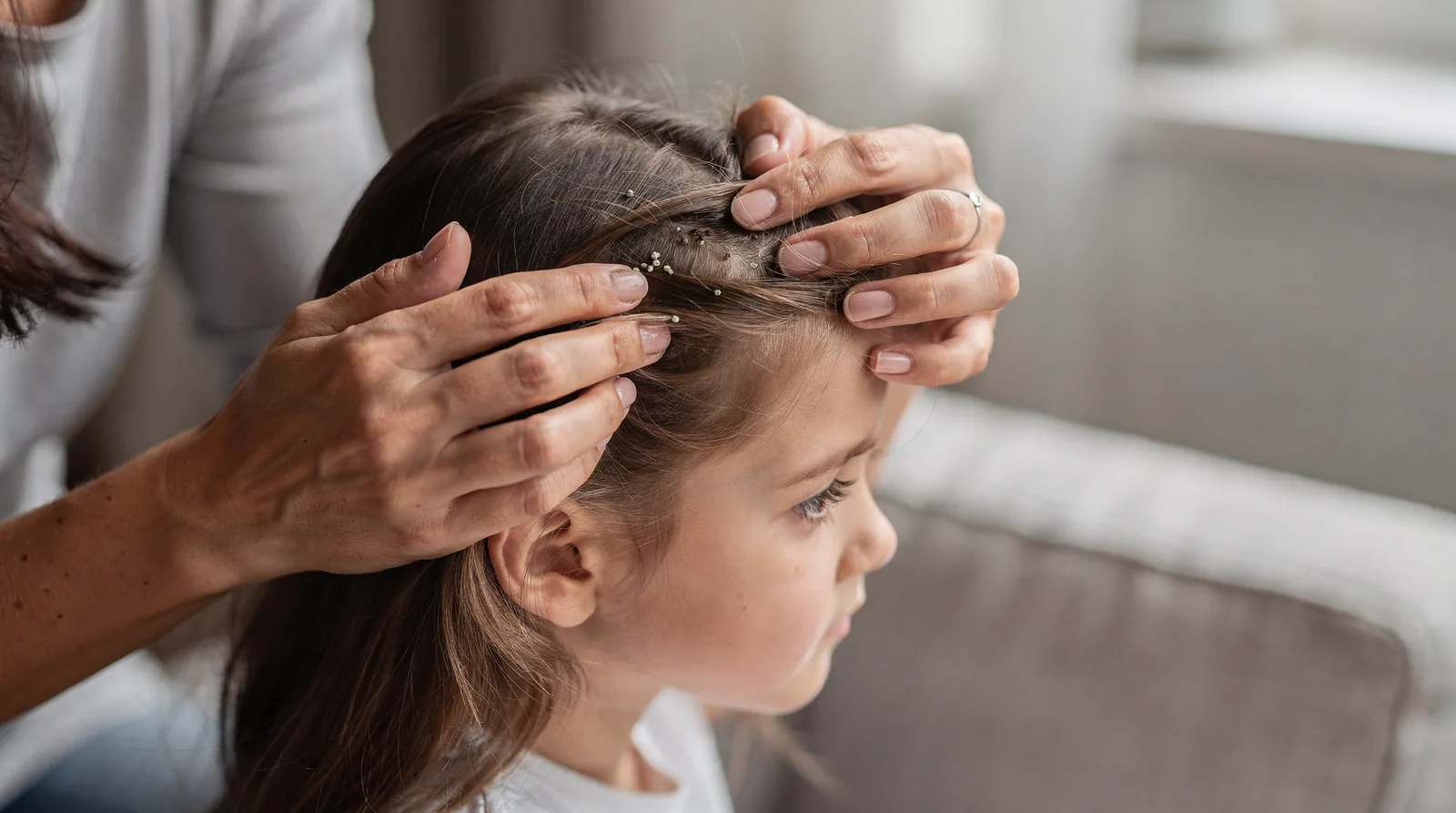
Do Lice Symptoms Appear Before Itching Starts?
Lice symptoms often surface long before scratching begins. Itching relies on an allergic reaction to louse saliva. That reaction can take four to six weeks to develop the first time a person has lice. During that window, an infestation grows quietly on the scalp while parents wait for a symptom that hasn't shown up yet.
Waiting for itching means missing the early signs of lice that appear much sooner. A restless child, one who tosses and turns or complains of trouble sleeping, may be reacting to lice activity rather than a bad dream. Head lice feed most actively at night, so sleep disruption often shows up before any visible scratching does.
What are the lice symptoms before itching sets in?
Restlessness at night ranks among the clearest lice symptoms before itching develops. Kids may seem irritable or overtired without an obvious cause. Parents who notice disrupted sleep alongside close contact at school or sleepovers have reason to check the scalp directly rather than wait for a rash or itch.
How can nits be told apart from dandruff?
Distinguishing nits vs dandruff takes a trained eye, since both appear as small white or tan specks near the scalp. Dandruff flakes brush away easily; nits cling tightly to the hair shaft and resist a light shake.
How to detect lice early comes down to screening, not symptom-watching. A trained professional can spot live lice and nits well before a child ever starts scratching. Lice Happens GA built on an RN-founded foundation, centers its mission on calm, science-based care and early detection for every family it serves, offering mobile lice removal Atlanta families can schedule the moment a concern arises rather than after itching confirms it.

How Does Lice Spread at Home or School?
Head lice travel almost exclusively through direct, hair-to-hair contact between children. A quick hug, a shared selfie pose, or two heads bent together over a tablet gives the insects everything they need to crawl from one scalp to another. No jumping, no flying — just close contact, repeated dozens of times a day in classrooms and living rooms alike.
Personal items compound the risk. Combs, brushes, and hats that touch the scalp can carry live lice from one child to the next, especially when families store these items together in a shared bathroom or backpack bin. Understanding these transmission points is the first step toward helping families prevent lice spread at home.
Modern classrooms add a newer wrinkle. Shared VR headsets, tablets, and other devices that press against multiple students' hair throughout the school day create fresh opportunities for hair-to-hair contact, particularly in tech-forward programs where equipment rotates constantly.
Do Study Groups Really Spread Lice?
Yes — group study sessions, especially in AP and gifted programs where students cluster closely for hours, are a common source of reinfestation. One untreated child in the group can reintroduce lice to classmates who were already cleared.
Common at-home and school exposure points include:
Sleepovers and shared bedding
Hats, headphones, and hair accessories passed between siblings
Group photo poses and selfies
Shared VR headsets, tablets, and other head-adjacent devices
Study groups with one undiagnosed case
Because transmission depends on contact rather than hygiene, no household is immune. Recognizing these patterns early helps families interrupt the cycle before lice spread further through a classroom or a home.
What Should You Do After Spotting Symptoms?
Confirmation comes first, then a same-day plan. Families who catch early signs of lice face a much simpler cleanup than those who wait weeks for confirmation. Panic solves nothing; a clear next step does.
Lice Happens GA serves metro Atlanta households with mobile lice removal Atlanta families can schedule the day symptoms appear. The service operates 365 days a year. That kind of availability matters most on a Sunday night before school, when waiting until Monday only gives lice more time to spread.
Pricing works the same way: no surprises, no per-hour clock running while a technician works through long or tangled hair. Lice Happens GA charges a apartment rate instead of unpredictable hourly fees. Treatment costs qualify for HSA or FSA reimbursement, which softens the financial hit of an unexpected outbreak.
Hair Length | Apartment-Rate Price |
|---|---|
Short hair (above the shoulders) | $125 |
Long hair (at or below the shoulders) | $175 |
How much does professional lice treatment cost?
Cost depends on hair length rather than time spent or number of nits found. Short hair above the shoulders runs pricing varies while longer hair at or below the shoulders is priced at $175. Apartment-rate pricing means the amount quoted is the amount owed, regardless of how long treatment takes.
Can insurance or HSA funds cover lice removal?
HSA and FSA funds apply directly to treatment costs. Families dealing with an outbreak avoid paying entirely out of pocket. These accounts already exist to cover medically related expenses like this one.
Lice Happens GA mission centers on calm, judgment-free care that treats every family with respect and gets kids back to normal life fast.
FAQ
What is the earliest sign of a lice infestation?
Itching is the most common early warning sign, triggered by an allergic reaction to bites on the scalp. A tickling sensation or feeling of movement in the hair often appears even before the itching starts.
How do nits differ from dandruff?
Nits cling tightly to the hair shaft close to the scalp and resist removal by hand. Dandruff flakes brush away easily. Nits also show white, yellowish, tan, or brown coloring instead of dandruff's grayish tone.
Why do professional lice checks catch cases home checks miss?
Light infestations often produce no symptoms, allowing lice to spread undetected. Lice Happens GA certified specialists, trained through experience serving over 10,000 families since 2015, confirm infestations quickly before they spread further.
Conclusion
In closing, recognizing lice symptoms early—itching, visible nits, and scalp irritation—gives you the power to act before an infestation spreads through your household. Swift identification paired with professional treatment stops the cycle and restores peace of mind for your family. When you spot these warning signs, trust your instincts and seek expert care immediately. Early intervention transforms a stressful situation into a manageable one.


Facebook
LinkedIn
Instagram
TikTok