
Common Myths About Head Lice Debunked
Common Myths About Head Lice Debunked: Expert Guide to Effective Treatment and Prevention
By Tracey Fudge, Lice Happens Atlanta
Head lice infestations are a common concern among parents, yet various misconceptions persist regarding their transmission and treatment. This article aims to demystify prevalent myths about head lice, offering factual insights to help families address lice infestations effectively. By debunking these myths, readers will gain a clearer understanding of how to prevent and treat head lice and the role of professional services in combating these pesky pests. This guide will cover the most common myths, effective treatment options, prevention strategies, and an overview of the lice life cycle. By understanding these elements, parents can take informed actions to protect their families from head lice.
Comprehensive Guide to Debunking Myths About Head Lice
Understanding the myths surrounding head lice is crucial for effective management of infestations. Head lice (Pediculus humanus capitis) are tiny parasites that feed on human blood and live on the scalp. Many assumptions about their transmission and treatment amplify the stigma and stress associated with lice. For instance, one myth suggests that head lice thrive only in unclean hair, which is misleading. Lice can infest anyone, regardless of cleanliness, making it essential to focus on factual information rather than misconceptions.
Professional lice removal services, like Lice Happens, provide clarity and assistance, emphasizing the importance of expert advice in addressing these infestations. By removing the stigma and fear surrounding head lice, families can navigate treatment and prevention more effectively.
Common Myths About Head Lice
Several widespread myths circulate about head lice, often leading to misconceptions about how they spread and how to treat them. Below are some common myths and the facts that debunk them:
Myth: Lice are a sign of poor hygiene.Fact: Lice can infest anyone, regardless of cleanliness. They can live on clean hair because it's easier for them to move and attach their eggs (nits).
Myth: Lice can jump or fly.Fact: Lice do not jump or fly; they crawl from head to head through direct contact.
Myth: Pets can carry or spread head lice.Fact: Lice are human-specific parasites and cannot be transmitted by pets.
Myth: You need to deep clean your entire house if someone has lice.Fact: Lice die quickly off the scalp and do not live long in the environment, so extensive cleaning is unnecessary.
Myth: Only girls or those with long hair get lice.Fact: Lice can affect anyone, regardless of hair length or gender, as they spread primarily through close physical contact.
These misconceptions can lead to unnecessary panic and stigma. By dispelling these myths, individuals and families can focus on effective strategies for treatment and prevention.
Effective Treatment Options for Head Lice
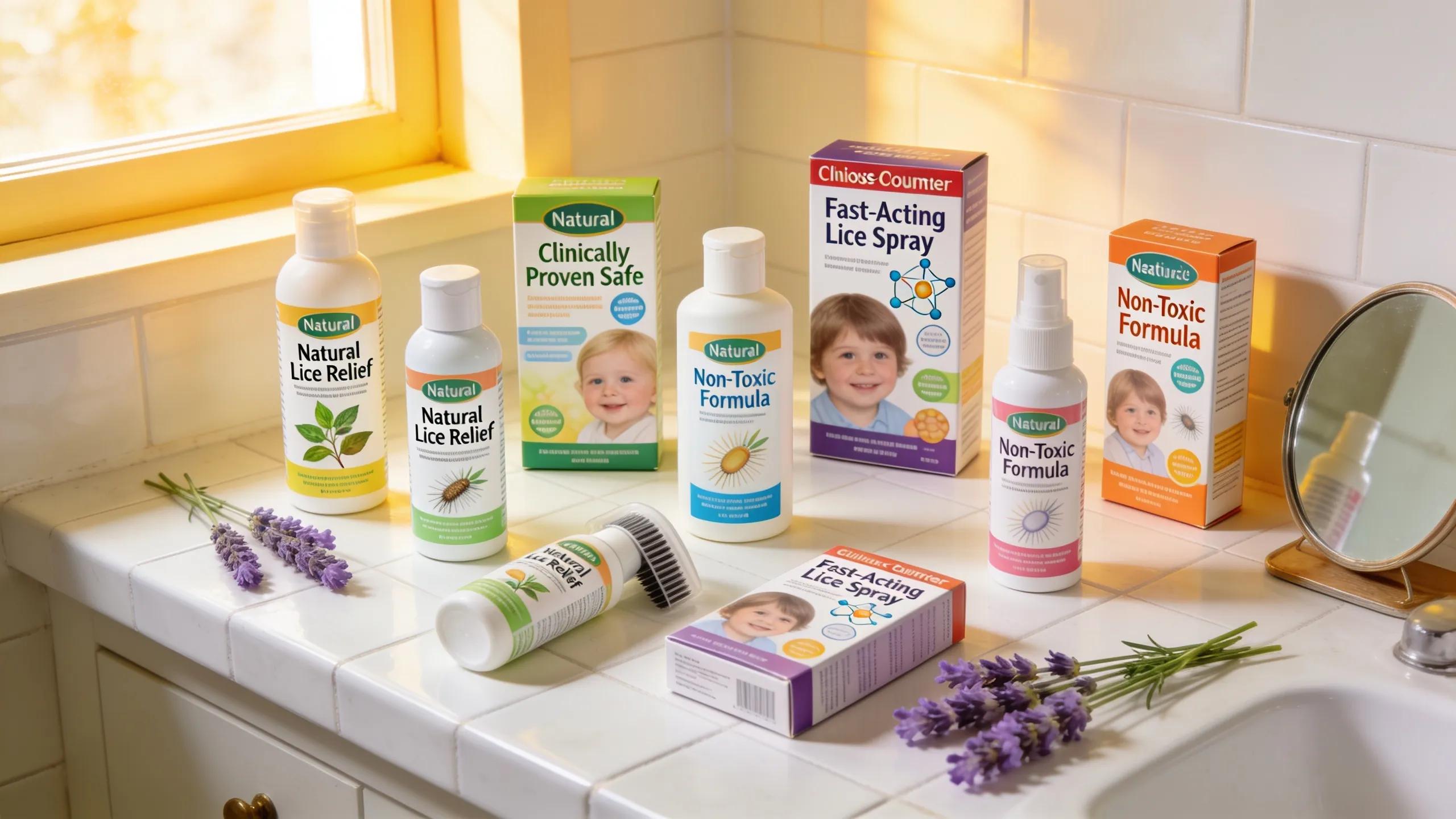
Several treatment options are available for managing head lice infestations, ranging from over-the-counter solutions to professional services. Here are some effective methods:
Over-the-Counter Treatments:Various shampoos and lotions can kill lice, typically containing pediculicides. It's important to follow the instructions carefully and consult a healthcare provider if infestations persist.
Professional Lice Removal Services:Services like Lice Happens offer specialized, non-toxic lice removal treatments straight in the comfort of your home. Founded by a registered nurse, Lice Happens emphasizes a professional approach to effectively eliminate lice. Many families in the Atlanta metro area have benefited from their same-day appointments, ensuring swift relief.
Home Remedies:Some families opt for natural remedies such as essential oils or vinegar. However, while these methods can be helpful, their effectiveness is often not scientifically validated, making professional treatment a more reliable choice.
The continued challenge of head lice infestations globally highlights the need for effective treatment and prevention strategies, particularly given the various factors that complicate their eradication.
Challenges in Head Lice Prevention and Treatment
1. Head louse infestations (pediculosis) are prevalent worldwide. In developed countries, the infestation rate of 4- to 13-year-old children remains high despite preventive efforts. This is due to the existence of numerous ineffective pediculicides, the incorrect use of the effective agents, toxicological concerns and the development of louse strains resistant to insecticides.
Prevention and treatment of head lice in children, KY Mumcuoglu, 1999
Here's a comparison of treatment options in terms of efficacy and approach:
Treatment
Price
Detail
Over-the-Counter Treatments
$15-$30
Includes various shampoos and creams.
Lice Happens Professional Treatment
Call for pricing
Non-toxic, in-home service designed for families.
Home Remedies
Varies
Natural options with variable effectiveness.
By understanding these treatment options, families can make informed choices about managing head lice effectively.
Prevention Strategies for Head Lice

Preventing head lice infestations is an essential step for families, especially those with school-aged children. Effective strategies include:
Avoid Sharing Personal Items:Encourage children not to share hats, combs, or hair accessories, as lice can spread through close contact with personal belongings.
Regular Hair Checks:Routine hair checks for nits and lice are crucial, especially after school or sleepovers when close contact with others occurs.
Tying Long Hair Back:Keeping long hair tied back can reduce the chances of head-to-head contact, making it less likely for lice to spread.
Implementing these strategies can significantly reduce the risk of lice infestations among children.
Understanding the Life Cycle of Lice
To effectively combat head lice, understanding their life cycle is essential. The life cycle of head lice consists of three stages: eggs (nits), nymphs, and adult lice.
Eggs (Nits):Nits are the eggs laid by female lice, usually found close to the scalp, where it's warm. They are difficult to see and can blend in with the hair.
Nymphs:After about 7-10 days, nits hatch into nymphs, which are immature lice. Nymphs grow into adult lice within about 9-12 days, continuously feeding on blood.
Adult Lice:Adult lice are about the size of a sesame seed and can lay up to 6-10 eggs per day. An infestation can quickly escalate if left untreated, making prompt action essential.
The fluctuating effectiveness of common treatments underscores the importance of staying informed and seeking reliable solutions amidst widespread misinformation.
Head Lice Treatment Uncertainty: Efficacy Declines and Misinformation
Conflicting information about the proper treatment of head lice has given rise to uncertainty among patients and treating personnel. For example, the reported efficacy of permethrin fell from 97% in the 1990s to 30% in 2010. Head lice: Epidemiology, biology, diagnosis, and treatment, 2016
Understanding these stages aids in timely detection and treatment, preventing further infestations. Why Accurate Identification Matters
Not everything attached to the hair is a nit. Dandruff, hair casts, lint, and product residue are commonly mistaken for lice eggs. Unlike dandruff, viable nits are firmly attached to one side of the hair shaft and cannot be brushed away easily. Misidentifying these conditions can lead to unnecessary treatments or missed infestations. A professional head check can quickly determine whether lice are actually present.
Why Early Professional Treatment Can Save Time
Many families spend days or even weeks trying multiple over-the-counter products before seeking professional help. During that time, lice continue to reproduce, increasing the chances of spreading throughout the household. Professional lice removal combines careful screening, manual nit removal, and non-toxic treatment methods to resolve infestations more efficiently and reduce the likelihood of reinfestation.
Frequently Asked Questions
Is head lice caused by poor hygiene?
No. Head lice infest anyone regardless of how clean their hair or home is. Lice survive by feeding on human blood, not by living in dirty hair.
Can head lice jump or fly?
No. Head lice cannot jump, fly, or hop. They spread primarily through direct head-to-head contact with an infested person.
Should I treat my entire home for head lice?
Extensive cleaning is usually unnecessary. Head lice survive only 24 to 48 hours away from the human scalp. Washing recently used bedding and clothing and cleaning brushes and combs is generally sufficient.
Can pets spread head lice?
No. Dogs, cats, and other pets do not carry or transmit human head lice because head lice can only survive on human hosts.
When should I seek professional lice removal?
If over-the-counter treatments have failed, multiple family members are affected, or you want fast, reliable results with minimal disruption, professional lice removal is often the best option.


Facebook
LinkedIn
Instagram
TikTok