
Common Mistakes That Make Your At-Home Lice Treatment Fail
Common Mistakes That Make At-Home Lice Treatments Fail — Practical Tips to Treat and Prevent Lice
By Tracey Fudge, Lice Happens Atlanta
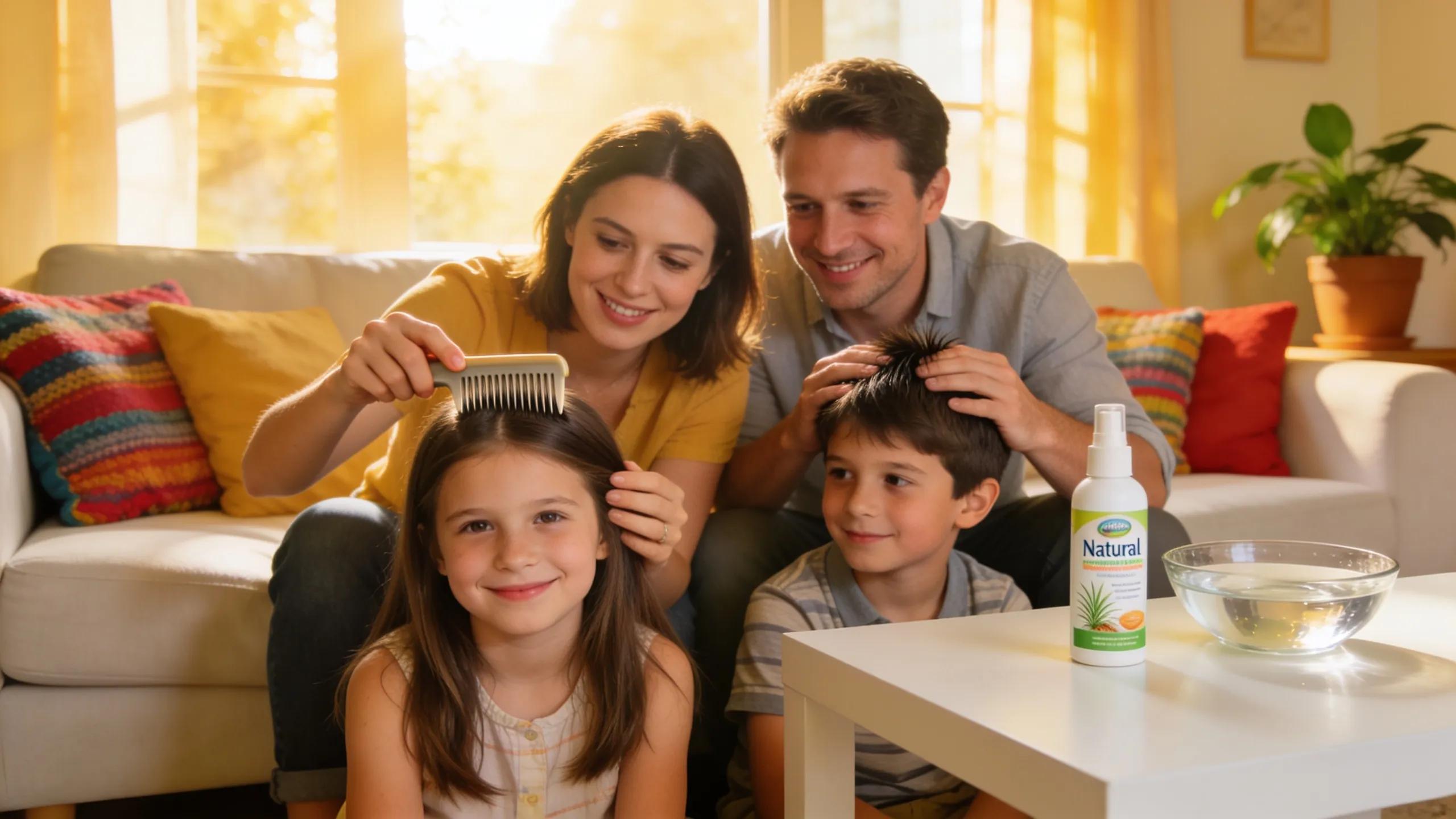
Knowing how to treat lice at home effectively can make the difference between a quick resolution and weeks of frustration. At-home lice treatment mistakes — like skipping follow-up applications or rushing the comb-out — leave live bugs or eggs behind, causing lice reinfestation that feels impossible to shake. Below we break down the most common missteps families make, share practical lice prevention tips, and explain when to treat the whole household or call in professional lice removal from Lice Happens in Atlanta. Follow these straightforward steps to improve your chances of a successful, lasting result.
Most Common Mistakes Families Make When Treating Lice at Home
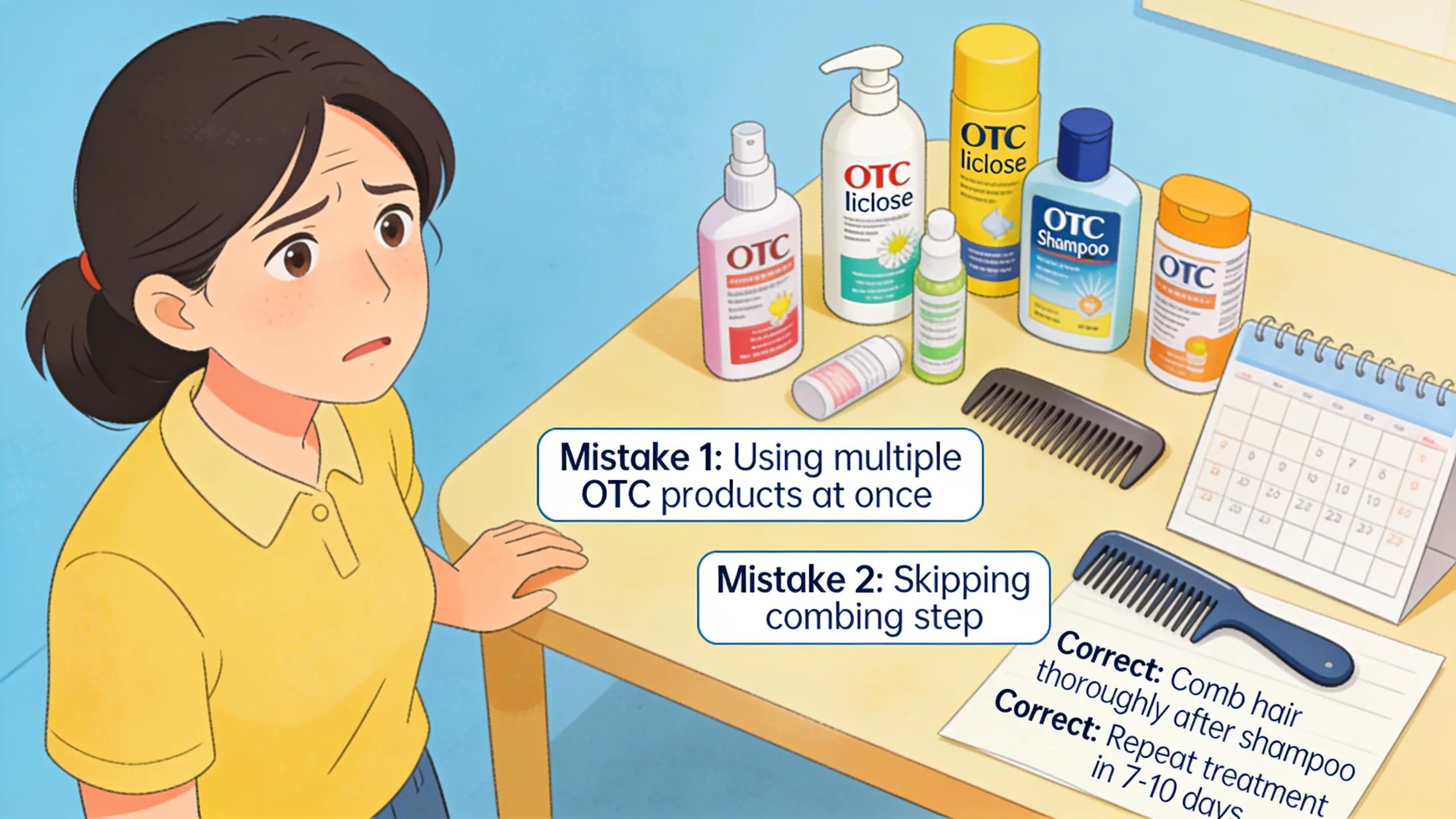
Many parents unintentionally do things that reduce a treatment's effectiveness. Fixing these common errors greatly improves your odds of fully clearing lice.
Relying Only on OTC Products: Over-the-counter treatments can help, but used alone they often miss eggs and newly hatched lice unless paired with careful combing and follow-up checks. No product — regardless of brand or price — can substitute for a thorough, methodical comb-out.
Skipping Thorough Combing: Not combing with a fine-toothed nit comb or rushing through the process leaves eggs and live lice behind — the main cause of reinfestation. Work section by section through damp hair, wiping the comb on a white towel after each stroke to confirm what you're removing.
Forgetting Follow-Up Treatments: Many products require a second application 7–10 days later to kill lice that hatched after the first treatment. Skipping this step commonly causes failure because eggs that survived the first round hatch and restart the cycle.
Using Expired or Diluted Products: Checking expiration dates and using the correct amount matters more than most people realize. An under-dosed or degraded product may leave enough lice alive to repopulate within days.
Treating Hair Immediately After Washing: Some chemical treatments work better on dry or slightly damp hair. Applying right after a wash — before natural scalp oils return — can reduce absorption and effectiveness. Always read the product label for the recommended hair condition before applying.
Knowing these pitfalls means you can avoid them and improve your treatment outcome.
How Misusing Chemical Treatments Hurts Your Results
OTC lice treatment failure is often rooted in improper use of chemical products. Applying them incorrectly, too often, or in the wrong amounts reduces their effectiveness and can create other problems.
When parents don't follow directions — or overuse an ingredient — lice populations can develop resistance to that active chemical. Pyrethrin and permethrin, two of the most widely used active ingredients in OTC lice treatments, have shown increasing resistance rates in many parts of the U.S. over the past decade. Using these products repeatedly and incorrectly accelerates that resistance in the local lice population, making future treatments even harder.
Overuse also raises safety concerns. Lice shampoos are mild pesticides, and applying them more often than directed — especially on young children — can cause scalp irritation, allergic reactions, or unnecessary chemical exposure. More is not better; precise application according to the label is what produces results.
If an OTC product has failed twice, it's worth switching to a different active ingredient or seeking professional help rather than repeating the same approach. A trained lice technician can assess whether resistance may be a factor and recommend an appropriate next step.
What to Do When OTC Products Stop Working
When a standard permethrin or pyrethrin shampoo fails, families have several evidence-based alternatives to consider:
Spinosad (Natroba) and ivermectin (Sklice) are FDA-approved prescription treatments that work through a different mechanism than pyrethrins, making them effective against resistant strains.
Dimethicone-based products are silicone oils that suffocate lice physically rather than chemically — resistance cannot develop against a mechanical kill method. Several are available over the counter.
Wet-combing alone: For families who prefer to avoid all chemicals, a rigorous nit-comb session every three to four days for two full weeks can clear an infestation without any product — it simply requires consistency and patience.
The key principle is to change the mechanism, not just the brand. Switching from one pyrethrin product to another pyrethrin product when the first failed accomplishes nothing; the lice are resistant to the entire class, not just one formulation.
When to Know Your Lice Treatment Isn’t Working
Knowing when lice treatment is not working helps you change tactics before the problem spreads further. A successful treatment should show a clear reduction in live lice within 24 hours and no new live bugs by day three. If that's not what you're seeing, something went wrong. Watch for these signs:
Ongoing Itching: Continued itching after a proper treatment often means lice or nits remain. Keep in mind that itching can persist for up to a week even after all lice are gone — due to scalp sensitivity from prior bites — so combine this sign with a visual check before concluding treatment failed.
Seeing Live Lice or Nits: Finding live bugs or fresh-looking eggs several days after treatment is a clear red flag. Dry, brown nits attached far from the scalp are typically old and already hatched, but white or pale nits close to the root indicate an active infestation.
New Bites: New bites on family members after treatment are a strong signal that lice remain active in the household. Fresh red marks or sores on the scalp or behind the ears — particularly within the first week post-treatment — warrant an immediate recheck of all household members.
Re-Infestation Within Two Weeks: If lice reappear shortly after a full treatment course, an untreated household contact may have reintroduced them. Revisit who else may need to be checked and treated.
Recognizing these signs lets you act quickly — re-check, comb, and consider alternate or professional options if needed.
How to Prevent Lice from Coming Back After Treatment
Stopping reinfestation requires steady follow-up, routine checks, and a few simple habits. The most effective prevention steps are easy to maintain:
Do Regular Head Checks: Inspect hair at least once a week during the school year, and immediately after any known exposure. Use a fine-toothed comb under good lighting, starting at the nape of the neck and behind the ears — the spots lice prefer to lay eggs.
Don't Share Personal Items: Avoid sharing hats, hair accessories, headphones, or bedding during an active outbreak to reduce spread. Even sports helmets and coat hooks where multiple children hang their belongings can be contact points.
Tie Back Long Hair: Children with longer hair are easier targets because lice have more surface area to travel onto during head-to-head contact. Braids, buns, and ponytails create a practical barrier.
Consider Preventive Products: If your child is often around outbreaks, light preventive sprays or shampoos can add protection — but they don't replace combing and checks. Some parents find tea-tree-based sprays helpful as a deterrent, though these are not clinically proven lice repellents.
Wash and Dry Bedding Promptly: After confirming lice, wash pillow cases, sheets, and soft toys the child uses daily in hot water (at least 130°F / 54°C) and dry on high heat for 20 minutes. Lice cannot survive more than 24–48 hours off a human head, so this step is important but doesn't need to be exhaustive — focus on items used in the 24–48 hours before treatment.
Combine these habits with careful treatment to keep lice from coming back.
Why You Should Treat the Whole Family and Close Contacts
Treating everyone who's had close head-to-head contact is key to stopping lice from cycling back into the home. Lice spread fast among people who share close spaces.
Direct Head-to-Head Contact: Lice transfer easily during hugs, naps, and playtime — treating everyone who's been exposed cuts off that chain.
Asymptomatic Carriers: Some people carry lice without obvious signs. Treating close contacts prevents silent reintroduction.
A household-wide approach removes hidden reservoirs and gives your treatment a better chance to succeed.
Who Counts as a Close Contact?
A practical rule of thumb: anyone who has shared a pillow, bed, or sustained head-to-head contact with the affected person in the past 48 hours should be checked. That typically includes:
Siblings who share a bedroom or play closely together.
Parents or caregivers who have helped with hair, hugging, or bedtime routines.
Close friends or classmates who've had a sleepover or extended close contact recently.
It does NOT mean every person in the household needs to be treated automatically — only those where direct contact occurred. Checking everyone first and treating only those with confirmed lice or nits is the most targeted and cost-effective approach. Notify the school or daycare so other families can check their children too; most schools no longer require a child to stay home for lice, but early notification helps contain spread across the wider group.
Why Consider Professional Lice Removal Services?
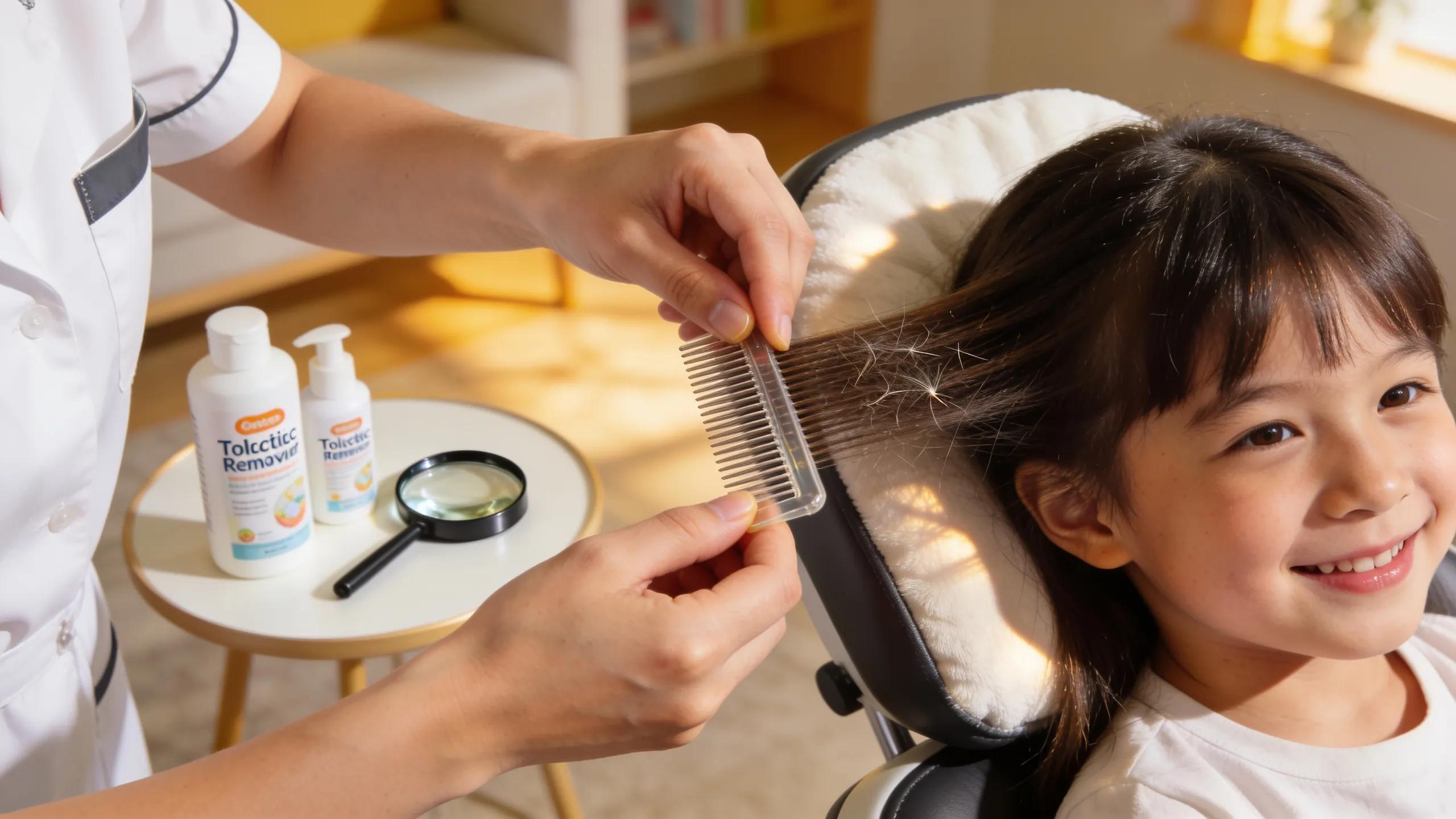
At-home treatments work in many cases, but professional lice removal in Atlanta brings focused expertise, time-saving convenience, and higher success rates. Lice Happens offers trained technicians and proven methods designed to remove lice at every stage.
Targeted, Effective Methods: Professionals use non-toxic, evidence-based treatments and thorough comb-outs that address eggs and live lice across life stages.
Mobile, In-Home Convenience: Mobile services mean treatment without travel, less exposure for others, and a calmer experience for your child.
Hiring pros can reduce stress, save time, and often clear infestations faster. If you want help you can trust, consider scheduling with Lice Happens or learn more at Lice Happens.
Common Lice Myths That Lead to Mistakes
Sorting fact from fiction helps you avoid mistakes that prolong infestations. Here are persistent myths that cause real problems for families trying to clear lice:
Hygiene Misconceptions: People often think lice mean poor hygiene. In truth, lice don't care about cleanliness — they simply need a human head to feed on. Lice are actually found more readily on freshly washed hair, because clean strands make it easier for them to grip and move. Stigma around this myth can delay parents from seeking help promptly.
Stronger Chemicals Are Always Better: Many assume harsher chemicals guarantee success. But resistance and safety concerns mean gentler, correctly applied methods and solid combing are often the smarter choice. Repeated use of the same chemical does not improve outcomes — it accelerates resistance.
Lice Can Jump or Fly: Lice can only crawl — they have no wings and cannot jump. Transmission happens almost exclusively through direct head-to-head contact, not from sharing a room or sitting nearby someone who has lice. This myth causes unnecessary anxiety and misdirected cleaning efforts.
You Have to Bag Everything in the House: It's common advice to seal stuffed animals and pillows in bags for weeks, but lice die within 24–48 hours off a human host. A targeted wash-and-dry of recently used items is all that's needed — spending hours sealing every soft surface in the home is unnecessary and exhausting.
Lice Are Gone Once You Stop Seeing Them: Lice eggs (nits) are tiny and easy to miss, especially near the scalp. A household that stops checking because active lice aren't visible often misses a second wave hatching 7–10 days later. Continue checks for at least two full weeks after the last treatment.
Clearing up these myths helps families choose safe, effective steps instead of relying on assumptions.
Do Lice Prefer Dirty Hair or Poor Hygiene?
No — that's a myth. Lice actually spread easily on clean hair, and infestations can happen to anyone regardless of cleanliness. Don't let stigma get in the way of prompt, practical treatment.
Do You Have to Use Strong Chemical Shampoos to Kill Lice?
Not necessarily. Several non-toxic options and professional techniques are effective without harsh chemicals. The most important part of any approach is a careful comb-out after treatment to remove eggs and any remaining lice.
Frequently Asked Questions
How do I know if my at-home lice treatment worked?
A successful treatment should show a clear reduction in live lice within 24 hours, with no new live bugs visible by day three. Continue checking daily with a fine-toothed nit comb for at least two weeks. If you still find live lice or fresh pale nits close to the scalp after day three, the treatment likely needs to be repeated or switched.
How many times do I need to treat for lice?
Most treatments require at least two applications — the first to kill active lice, and a follow-up 7–10 days later to kill any lice that hatched from eggs the first round didn't destroy. Skipping the second treatment is one of the most common reasons lice come back.
Can lice survive on furniture, bedding, or stuffed animals?
Lice cannot survive more than 24–48 hours away from a human host, so extensive home cleaning is not necessary. Focus on washing and drying on high heat (at least 130°F / 54°C) any bedding, pillowcases, or soft items the affected person used in the 24–48 hours before treatment. Items that can't be washed can simply be set aside for 48 hours.
When should I call a professional lice removal service?
Consider professional help if an over-the-counter product has failed twice, if you're unsure whether the infestation has been fully cleared, or if the process feels overwhelming. A trained lice technician can identify resistance issues, perform a thorough comb-out, and recommend the most effective next step — often clearing the problem in a single visit.
Do I need to treat everyone in the household?
Anyone who has had direct head-to-head contact with the affected person should be checked and, if lice or nits are found, treated at the same time. Some people carry lice without obvious symptoms, so treating close contacts simultaneously prevents silent reintroduction and stops the cycle from repeating.

Facebook
LinkedIn
Instagram
TikTok