
Can You Feel Head Lice Crawling?
Can you feel head lice crawling?
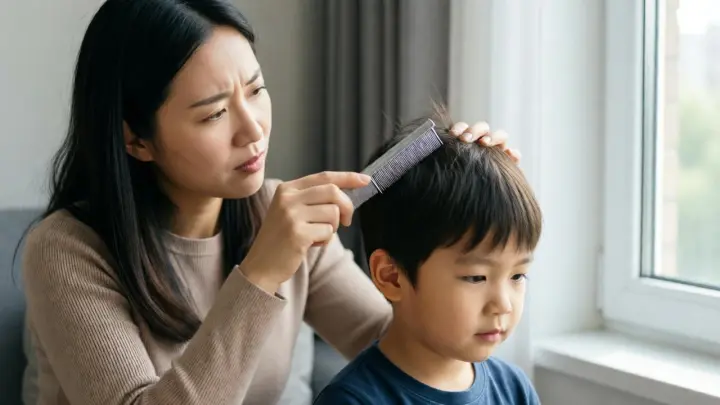
Some people can feel head lice crawling, while others notice no sensation at all. Early symptoms often include itching, a tickling feeling on the scalp, or irritation behind the ears and at the back of the neck. The best way to confirm a lice infestation is by performing a careful hair inspection with a fine-toothed nit comb.
Can You Feel Head Lice Crawling? What Parents Should Know
When a child starts scratching their head, many parents immediately wonder whether head lice are the cause. One of the most common questions is whether you can actually feel lice crawling through the hair. The answer varies from person to person. Some people describe a tickling or crawling sensation, while others have no noticeable symptoms until they discover live lice or nits during a hair check.
Head lice are tiny insects that live close to the scalp and feed several times a day. Because they are so small, many people never actually feel them moving. Instead, the body's reaction to lice bites often causes the itching and irritation associated with an infestation.
Can You Really Feel Lice Moving?
Some children and adults report feeling something moving through their hair, especially during the early stages of an infestation. Others never notice this sensation at all.
Whether you feel lice depends on several factors, including:
The number of lice present.
Individual skin sensitivity.
Whether your body reacts to lice bites.
How long the infestation has been present.
It's important to remember that not feeling lice doesn't mean they aren't there.
What Does Head Lice Feel Like?
Many parents expect intense itching immediately, but symptoms often develop gradually.
Common sensations include:
A light tickling feeling on the scalp.
Itching that becomes worse over time.
A feeling that something is moving in the hair.
Mild irritation behind the ears.
Itching around the neckline.
Some children have no symptoms at all, which is why routine hair checks are so important.
Where Are Lice Usually Found?
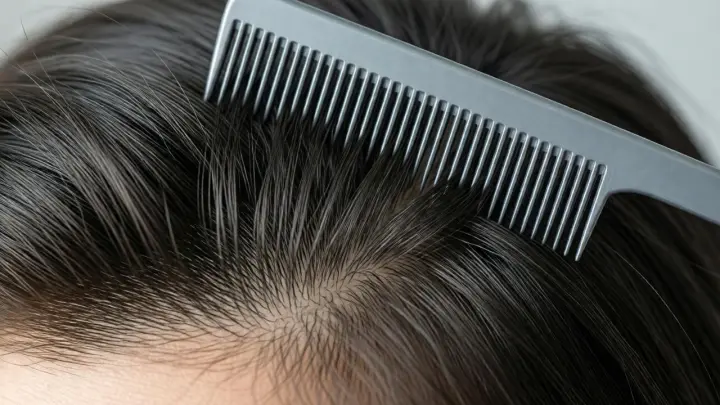
Head lice prefer warm areas close to the scalp. During a hair inspection, pay extra attention to:
Behind the ears.
The nape of the neck.
Around the crown of the head.
Hair close to the scalp where nits are attached.
Using a quality metal nit comb and bright lighting makes these areas easier to inspect.
Could It Be Something Else?
Not every itchy scalp is caused by head lice. Other conditions can produce similar symptoms, including dandruff, dry skin, eczema, allergies, or irritation from hair products.
The only reliable way to confirm head lice is to find live lice or viable nits during a careful inspection.
When Should You Check for Lice?
Consider checking your child's hair if:
They frequently scratch their head.
You receive a lice notification from school.
A close friend or sibling has lice.
They recently attended camp or a sleepover.
They complain of a crawling or tickling feeling on the scalp.
Early detection can make treatment easier and reduce the chance of spreading lice to others.
When to Seek Professional Help
If you're unsure whether your child has lice, a professional inspection can provide clarity. Trained lice specialists can identify live lice, distinguish between viable and empty nits, and recommend the most appropriate next steps.
Conclusion
Although some people can feel head lice crawling, many cannot. A crawling sensation alone is not enough to confirm an infestation, and the absence of symptoms doesn't rule one out. The best approach is to perform regular hair checks, especially during the school year, and use a fine-toothed nit comb to look for live lice or nits. If you're uncertain, a professional lice inspection can provide reassurance and help you take the right course of action.
Frequently Asked Questions
Can you actually feel head lice crawling?
Some people can feel a light tickling or crawling sensation, while others feel nothing at all. The sensation varies depending on skin sensitivity and the number of lice present.
Does an itchy scalp always mean head lice?
No. An itchy scalp can also be caused by dandruff, dry skin, eczema, allergies, or irritation from hair products. A careful hair inspection is the best way to confirm whether head lice are present.
Where do head lice usually hide?
Head lice are most commonly found behind the ears, at the nape of the neck, and close to the scalp where they feed and lay eggs.
Can you have head lice without itching?
Yes. Some children and adults have very few symptoms, especially during the early stages of an infestation. That's why regular hair checks are important.
How can I tell if it's lice or dandruff?
Dandruff flakes can usually be brushed away easily, while lice eggs (nits) are firmly attached to individual hair strands and do not come off with normal brushing.
Should I check the whole family if one person has lice?
Yes. Everyone in the household should be checked because head lice spread through close head-to-head contact. Early detection can help prevent additional infestations.
When should I schedule a professional lice inspection?
Consider a professional inspection if you're unsure whether you've found lice, if symptoms continue after treatment, or if multiple family members may be affected.
What's the best way to check for head lice?
Use a bright light and a quality metal nit comb. Part the hair into small sections and inspect behind the ears, around the neckline, and close to the scalp where lice and nits are most commonly found.


Facebook
LinkedIn
Instagram
TikTok