
Can Lice Jump or Fly?
Can Lice Jump or Fly?
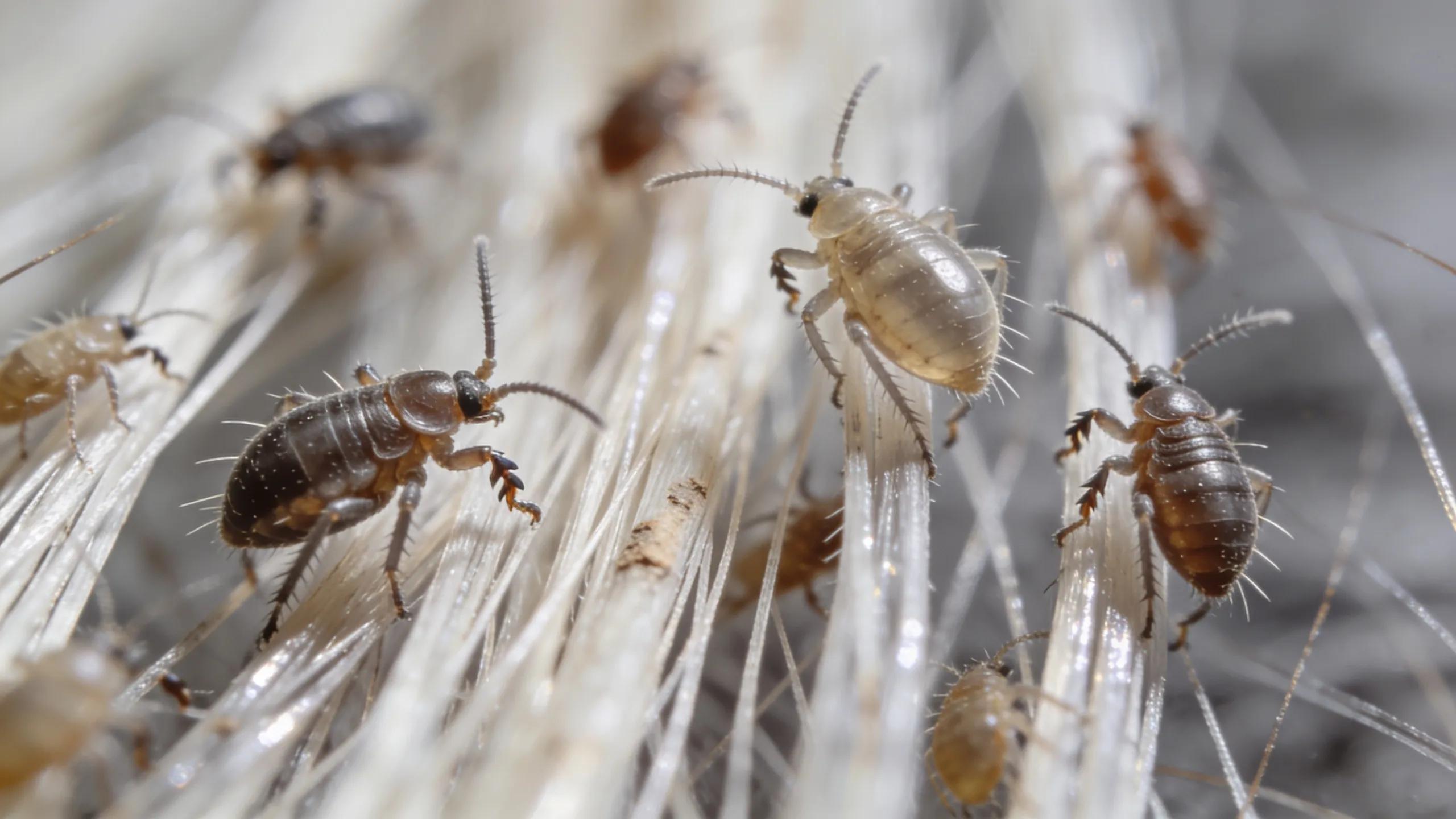
Understanding lice behavior is crucial for effective management and infestation prevention. Many individuals mistakenly believe that lice can jump or fly, leading to increased anxiety about their transmission. This article delves into the myths surrounding lice movement, focusing on their actual crawling behavior and transmission methods. Readers will learn about the signs of infestation, detection techniques, and the importance of professional lice removal services. In this article, we will cover key topics such as lice movement myths, methods of lice spread, detection techniques, and preventative measures families can take.
Do Lice Really Jump or Fly? Debunking Common Myths About Lice Movement
Lice are often misunderstood creatures; a common belief is that they can jump or fly from one host to another. However, this is not true. Lice cannot jump or fly at all; they only crawl. Their physiological structure is designed for gripping hair tightly, allowing them to move along strands without needing to leap or take flight. Understanding this fact is essential, as it directly impacts how lice are transmitted among individuals.
Why Do Lice Crawl Instead of Jump or Fly?
Lice have evolved with legs designed specifically for crawling. Their legs are equipped with tiny claws that enable them to hold onto hair strands securely. This anatomical structure is perfect for their lifestyle, as they require close contact with the scalp to feed on blood. Crawling is their sole means of movement, which limits their spread primarily to direct contact with others.
What Are the Most Common Misunderstandings About Lice Transmission?
Misconceptions about how lice are transmitted can lead to unnecessary panic. One of the most prevalent myths is that lice can jump or fly between people. In reality, lice are primarily spread through head-to-head contact, as they are unable to leap or fly. This mode of transmission highlights the importance of awareness in environments with close interactions, such as schools and family gatherings.
How Do Lice Spread? Exploring Lice Transmission Methods and Head-to-Head Contact

Lice spread mainly through direct contact with an infested person's head. In addition to this, lice can also be transmitted through sharing personal items like hats or hairbrushes, although this is much less common. Understanding these vectors of transmission helps in developing effective strategies to prevent lice outbreaks.
Why Is Direct Head-to-Head Contact the Main Mode of Lice Spread?
Direct head-to-head contact is the primary way lice are transmitted due to the close proximity required for effective transfer. Activities that involve closely clustered kids, such as playdates, sports, and school events, increase the likelihood of transmission. During these interactions, lice can crawl directly from one host's hair to another’s, making vigilance during such events essential.
Can Lice Spread Through Objects or Indirect Contact?
While there is a possibility that lice may fall off a person's head and remain on objects, they do not survive long off the human host. Indirect transmission through objects is rare, as lice typically die within 1-2 days without a host. This emphasizes the importance of looking for signs of lice in environments where children congregate.
What Are the Signs of Lice Infestation and How Are They Detected?
Recognizing a lice infestation quickly is crucial to managing it effectively. The most common sign of lice is intense itching, caused by the lice bites on the scalp. Additionally, the presence of nits—lice eggs—attached to hair strands can indicate an infestation. Regular checks can help to identify lice early, reducing the likelihood of an outbreak.
Which Screening Methods Do Certified Experts Use to Detect Lice?
Certified experts employ several screening methods to detect lice, starting with a thorough visual inspection of the scalp and hair. Many professionals use specialized combing techniques to enhance detection, making it easier to spot both adult lice and nits. This meticulous approach is essential for accurate diagnosis and effective treatment.
How Can Parents Recognize Lice Eggs and Adult Lice Effectively?
Parents can recognize lice eggs and adult lice by knowing their distinguishing features. Lice eggs, or nits, are oval-shaped and firmly attached to hair strands, often found close to the scalp. Adult lice are typically brown or tan and about the size of a sesame seed. Familiarity with these characteristics enables parents to carry out effective checks at home.
Why Choose Professional Lice Removal? Science-Based Treatment Methods and Proven Success
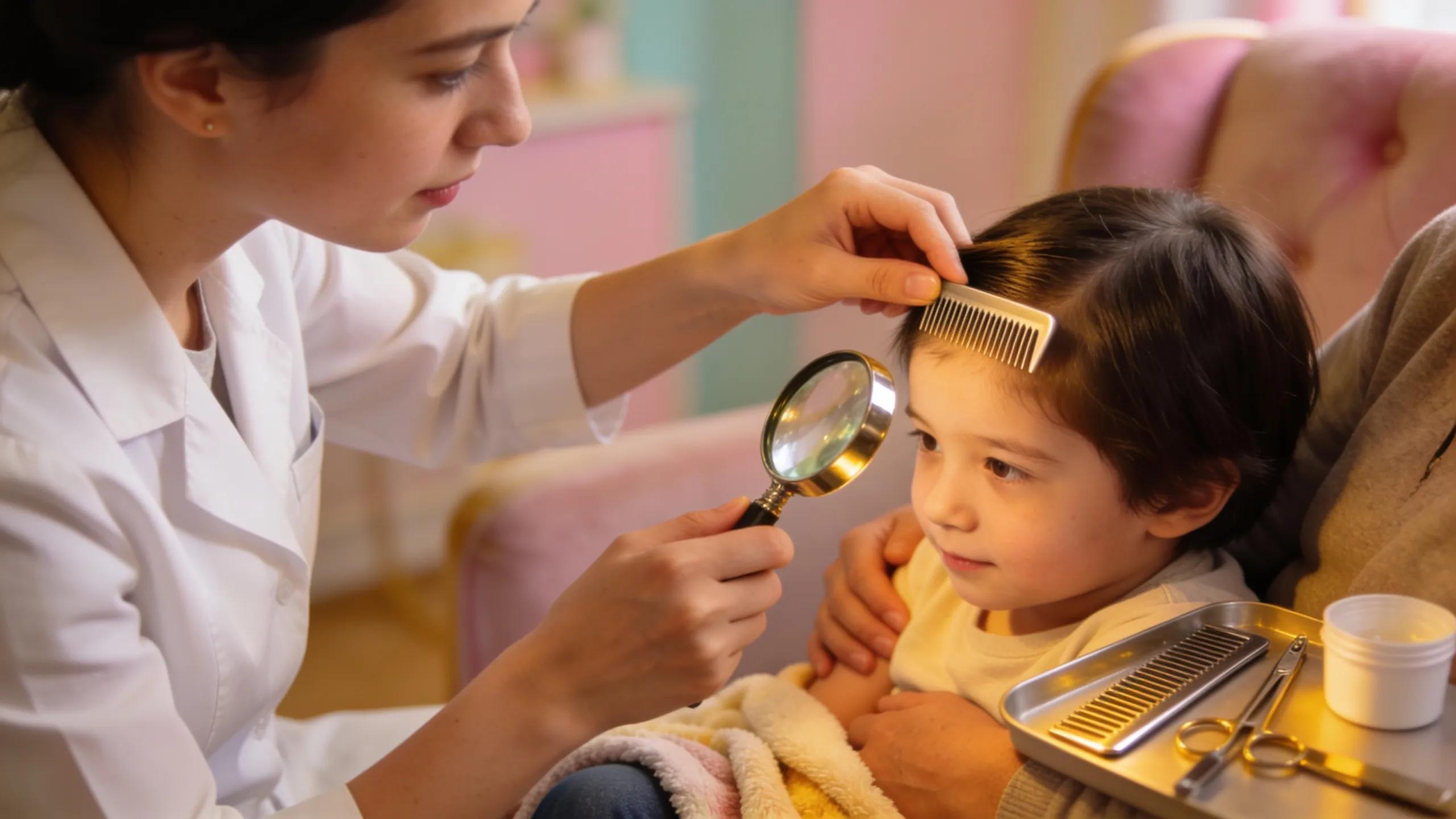
Professional lice removal services offer a reliable solution for managing infestations based on science-based treatment methods. These professionals use specialized tools and techniques to ensure thorough lice and nit removal. By employing evidence-based strategies, they empower families with education on prevention, making it easier to mitigate future risks.
How Does Mobile Service Provide Convenience and Reduce Stigma?
Mobile lice removal services deliver the added convenience of in-home treatment, which can alleviate the stigma associated with lice infestations. Many families prefer the discretion and comfort of receiving help in their own homes. This approach helps to normalize the discussion of lice and promotes timely intervention.
How Can Families Prevent Lice Transmission? Practical Tips Backed by Evidence
Effective prevention strategies are essential for families to avoid lice transmission. Families can take several notable actions to mitigate their risk of infestation.
Regular Hair Hygiene Practices: Ensuring regular hair checks and maintaining tied-back hairstyles can minimize lice spread.
Avoid Sharing Personal Items: Families should educate children about the risks associated with sharing hats, combs, and other personal items.
Conduct Routine Checks: Regularly inspecting for signs of lice can help catch infestations early, preventing widespread transmission.
What Hair Hygiene and Behavior Practices Reduce Lice Spread?
Maintaining proper hair hygiene can significantly reduce the risk of lice spread. Regularly conducting hair checks and keeping hair tied back are effective measures. Additionally, educating children about the importance of personal hygiene and the risks of lice can foster better awareness and preventative behavior.
Should Families Avoid Sharing Headgear and Personal Items?
Yes, avoiding the sharing of personal items like hats, hair accessories, and helmets can significantly reduce the risk of lice transmission. Sharing such items amplifies the possibility of lice crawling from one person to another, especially among children.
When Are Lice Outbreaks Most Common? Seasonal Trends and Local Atlanta Data
Lice outbreaks often follow seasonal trends, with peak transmission occurring in specific periods. Research indicates that the back-to-school season is particularly notorious for lice outbreaks, as children return to school and interact closely with their peers. For families seeking immediate assistance, scheduling an appointment is a proactive step.
How Does School Reopening Affect Lice Outbreak Frequency?
The reopening of schools typically sees an increase in lice outbreak frequency due to close contact among students. Activities, such as group play and classroom interactions, often create favorable conditions for the transfer of lice, making it crucial for families to remain vigilant during these times.
What Local Health Guidelines and Updates Should Families Know?
It is essential for families to stay informed about local health guidelines related to lice treatment and management. Health departments provide seasonal updates and resources that can aid in the prevention and management of lice outbreaks, ensuring families have the support they need during critical times.
This comparison illustrates that while various treatment methods are available, manual removal remains one of the most effective strategies for eliminating lice and their eggs.
By addressing common myths, understanding reality, and employing effective measures, families can manage lice infestations while ensuring their peace of mind.


Facebook
LinkedIn
Instagram
TikTok