
Can Head Lice Live on Pillows?
Can head lice live on pillows?
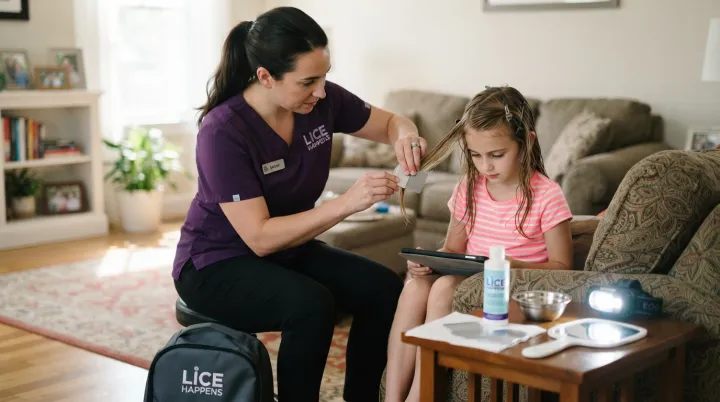
Head lice can survive on pillows for a short time, usually less than 24–48 hours, because they need human blood to survive. While it's possible for a louse to end up on a pillow, the risk of getting lice from bedding is very low. Head-to-head contact remains the most common way lice spread.
Can Head Lice Live on Pillows? What Parents Need to Know
Finding out your child has head lice can leave you wondering whether everything in your home needs to be cleaned. One of the most common questions parents ask is whether head lice can live on pillows and spread to other family members.
The good news is that head lice are highly dependent on humans. They need regular blood meals and the warmth of the scalp to survive. Once they leave a person's head, they begin to weaken quickly.
Understanding how lice survive off the scalp can help you focus on the steps that matter most instead of spending hours cleaning items that pose very little risk.
Can Head Lice Survive on Pillows?
Yes, but only for a short period.
If a live louse falls onto a pillow, it may survive for up to one or two days. However, without access to a human scalp for feeding, it will die naturally.
Because lice are designed to grip human hair—not fabric—they usually don't stay attached to pillows, sheets, or blankets for long.
This means that while a pillow can temporarily have a live louse on it, it is not considered a common source of transmission.
How Do Head Lice Usually Spread?
The vast majority of head lice cases spread through direct head-to-head contact.
Children often spread lice while:
Playing together
Hugging friends
Taking selfies
Reading side by side
Sharing close space during sleepovers
Participating in sports or group activities
Although people sometimes worry about pillows, hats, or furniture, these items are responsible for very few cases compared with direct contact.
What About Lice Eggs on Pillows?
Parents sometimes wonder if lice eggs can fall onto pillows and hatch later.
Fortunately, this is extremely unlikely.
Nits are attached to individual hair strands using a strong, glue-like substance. They do not simply fall off onto bedding under normal conditions.
Even if an empty nit or hair with a nit ends up on a pillow, it is unlikely to develop into a new infestation because successful hatching requires the warmth and conditions found close to the scalp.
Should You Wash Pillows After Finding Lice?
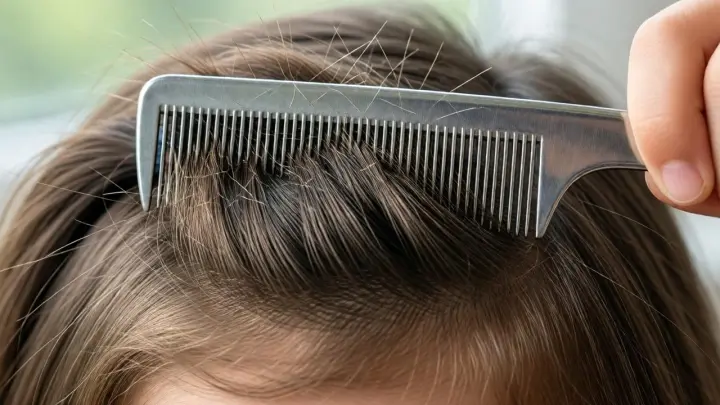
Yes, washing recently used pillowcases is a reasonable precaution.
Experts generally recommend washing pillowcases, sheets, hats, and recently worn clothing in hot water and drying them on high heat if they were used within the previous two days.
There's no need to throw away pillows or replace bedding. Simple laundering is usually sufficient.
Do You Need to Vacuum the Entire House?
Not necessarily.
Vacuuming upholstered furniture, mattresses, and carpets can help remove stray hairs that may contain nits, but extensive deep cleaning or using insecticide sprays inside the home is generally unnecessary for head lice.
Instead, focus your time on carefully checking the hair of household members and following proper treatment recommendations.
Common Myths About Lice and Pillows
Many myths continue to circulate about how lice spread.
Myth: Lice can live on pillows for weeks.
Fact: Most lice die within one to two days away from a human host.
Myth: You must replace all bedding after finding lice.
Fact: Washing recently used bedding is usually enough.
Myth: Pillows are the main reason lice spread.
Fact: Direct head-to-head contact is by far the most common method of transmission.
When Should You Consider Professional Lice Removal?
If you continue finding live lice after treatment, aren't sure whether the infestation is gone, or multiple family members have lice, professional assistance can save time and reduce stress.
Professional lice specialists carefully inspect the hair, remove live lice and nits, and provide guidance to help prevent reinfestation.
Conclusion
Although head lice can survive briefly on pillows, the risk of catching lice from bedding is very low. These tiny insects depend on the warmth and blood supply of the human scalp and cannot survive for long on household items.
Instead of worrying about replacing pillows or deep-cleaning your home, focus on thorough hair checks, proper treatment, and washing recently used bedding. Understanding how lice actually spread helps families take practical steps while avoiding unnecessary stress.
Frequently Asked Questions
Can head lice live on pillows overnight?
Yes. A live head louse may survive on a pillow overnight, but it cannot live there for long because it needs regular blood meals from a human scalp. Most lice die within 24–48 hours after leaving the head.
Can you get head lice from sharing a pillow?
The risk is very low. Although it's possible for a live louse to be on a pillow for a short time, head lice spread primarily through direct head-to-head contact rather than bedding or household items.
Should I wash my child's pillow after finding lice?
Yes. Wash pillowcases, sheets, and recently used bedding in hot water and dry them on high heat. This is a simple precaution that helps remove any stray lice or hairs with nits.
Can lice eggs survive on pillows?
No. Lice eggs, also called nits, are firmly attached to hair strands with a glue-like substance. They rarely fall onto pillows, and they need the warmth of the scalp to develop and hatch successfully.
How long can head lice live away from the scalp?
Head lice usually survive less than 24–48 hours without a human host. They rely on frequent blood meals and the warmth of the scalp to stay alive.
Do I need to replace pillows after a lice infestation?
No. Replacing pillows is unnecessary. Washing pillowcases and recently used bedding is generally enough to reduce any minimal risk.
What's the best way to prevent lice from spreading at home?
Check all household members for lice, avoid head-to-head contact until treatment is complete, wash recently used bedding and clothing, and avoid sharing combs, brushes, hats, or hair accessories.
When should I schedule a professional lice treatment?
If you continue finding live lice after treatment, aren't sure whether the infestation is gone, or multiple family members are affected, professional lice removal can provide thorough treatment and peace of mind.


Facebook
LinkedIn
Instagram
TikTok