Can Hair Color Kill Lice? What Science and Experts Say
Can Hair Color Kill Lice? What Science and Experts Say
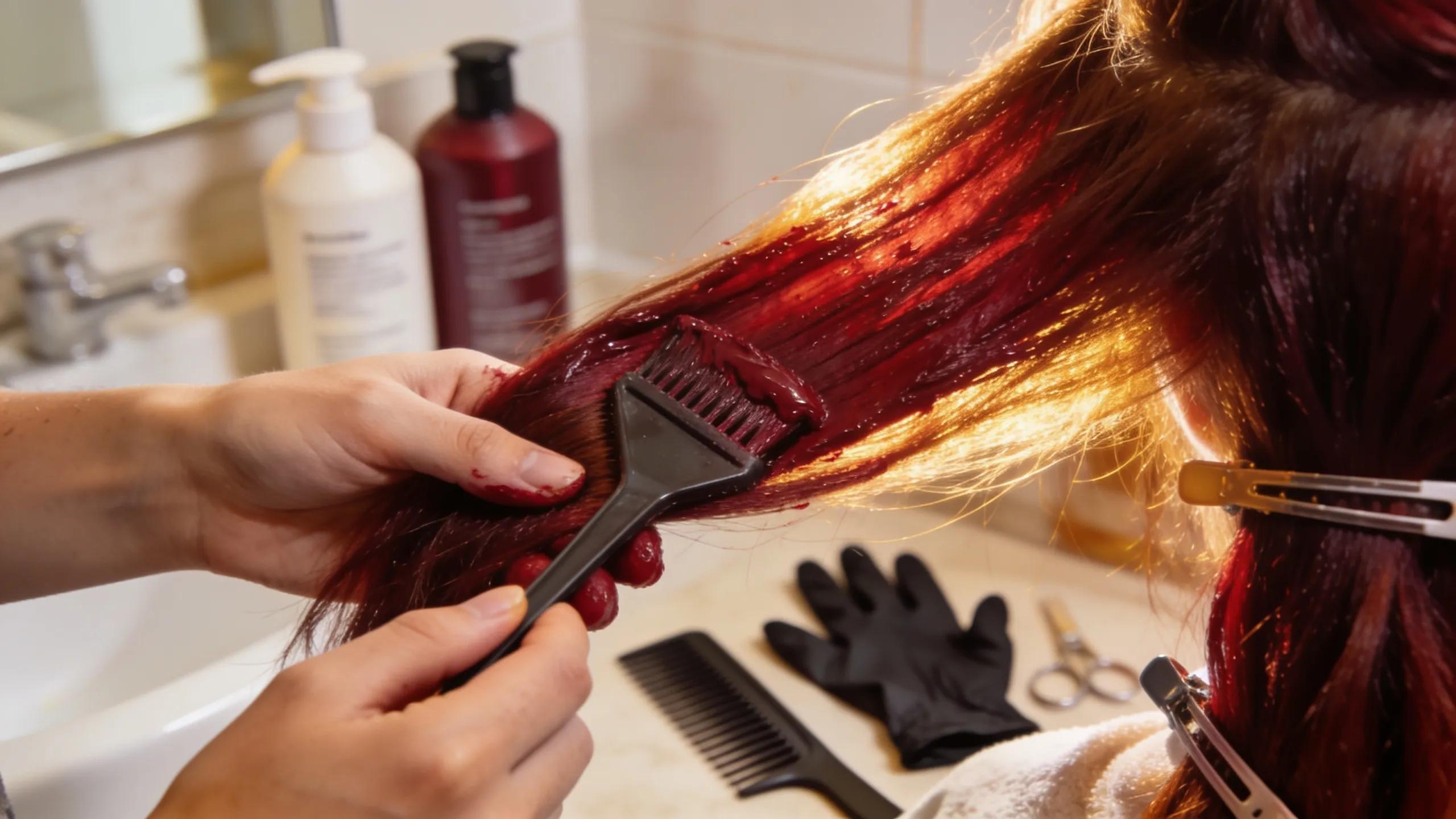
The quest for effective lice treatment often leads to unconventional methods, including the use of hair dye. Many people wonder if hair color can kill lice and nits, the eggs that lice lay. This article delves into the scientific evidence and expert opinions surrounding the effectiveness of hair dye as a lice treatment. Readers will learn about the biological mechanisms of lice, the lifecycle that complicates treatment, and the professional methods available for lice removal. Understanding these aspects is crucial for anyone dealing with a lice infestation, as it highlights the limitations of home remedies like hair dye. We will also explore the professional services offered by Lice Happens, a trusted provider in lice removal.
Does Hair Dye Effectively Kill Head Lice? Scientific Evidence and Expert Opinions
Hair dye is often considered a potential solution for lice infestations, but scientific evidence suggests it is not a reliable treatment. While some chemicals in hair dye may kill adult lice, they do not effectively eliminate nits, which are protected by a hard shell. This limitation can lead to reinfestation, as surviving nits can hatch into new lice. Experts emphasize that hair dye should not be relied upon as a primary treatment for lice, as it fails to address the complete lifecycle of the pest.
What Chemicals in Hair Dye Affect Lice Survival?
Certain chemicals found in hair dye, such as ammonia and peroxide, can have a lethal effect on adult lice. However, these chemicals do not penetrate the protective shell of nits, rendering them ineffective against the eggs. This distinction is critical, as the presence of nits can lead to a cycle of reinfestation, making hair dye an inadequate solution for lice treatment.
Why Experts Reject Hair Dye as a Reliable Lice Treatment
Experts in the field of lice treatment consistently reject hair dye as a viable option for lice removal. Studies have shown that while hair dye may kill some lice, it does not eliminate nits, which are often the source of ongoing infestations. Misconceptions about the efficacy of hair dye persist, but professionals advocate for more effective treatments that target both lice and their eggs.
Understanding Lice Biology and Lifecycle: Why Hair Color Fails as a Treatment
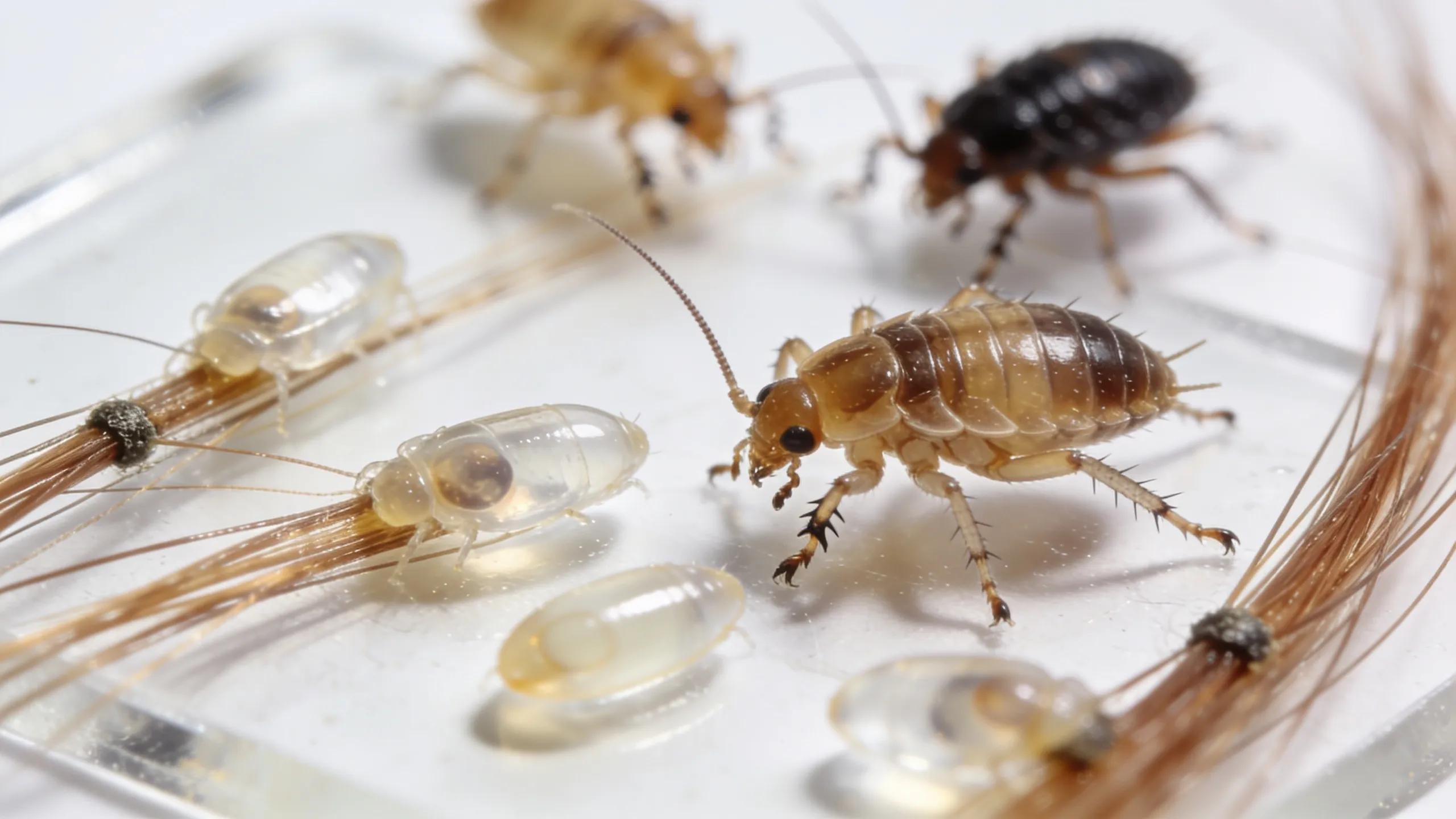
To understand why hair dye fails as a lice treatment, it is essential to examine the biology and lifecycle of lice. Lice undergo several stages: nits, nymphs, and adults. Each stage presents unique challenges for treatment, particularly because nits are firmly attached to hair shafts and are resistant to many chemical treatments.
How Does the Lice Lifecycle Influence Treatment Effectiveness?
The lifecycle of lice significantly impacts treatment effectiveness. Nits hatch into nymphs, which then mature into adult lice. If nits are not removed, they can lead to reinfestation, as they can hatch even after treatment. This lifecycle highlights the importance of thorough combing and the use of effective treatments that target all stages of lice development.
Common Misconceptions About Lice and Hair Hygiene
Many people believe that lice prefer dirty hair, but this is a misconception. Lice are equally attracted to clean hair, as they require a human host to survive. Additionally, common hair products do not prevent lice infestations, further complicating the issue. Understanding these misconceptions is vital for effective lice management.
Professional Lice Removal Methods Versus Home Remedies Like Hair Dye
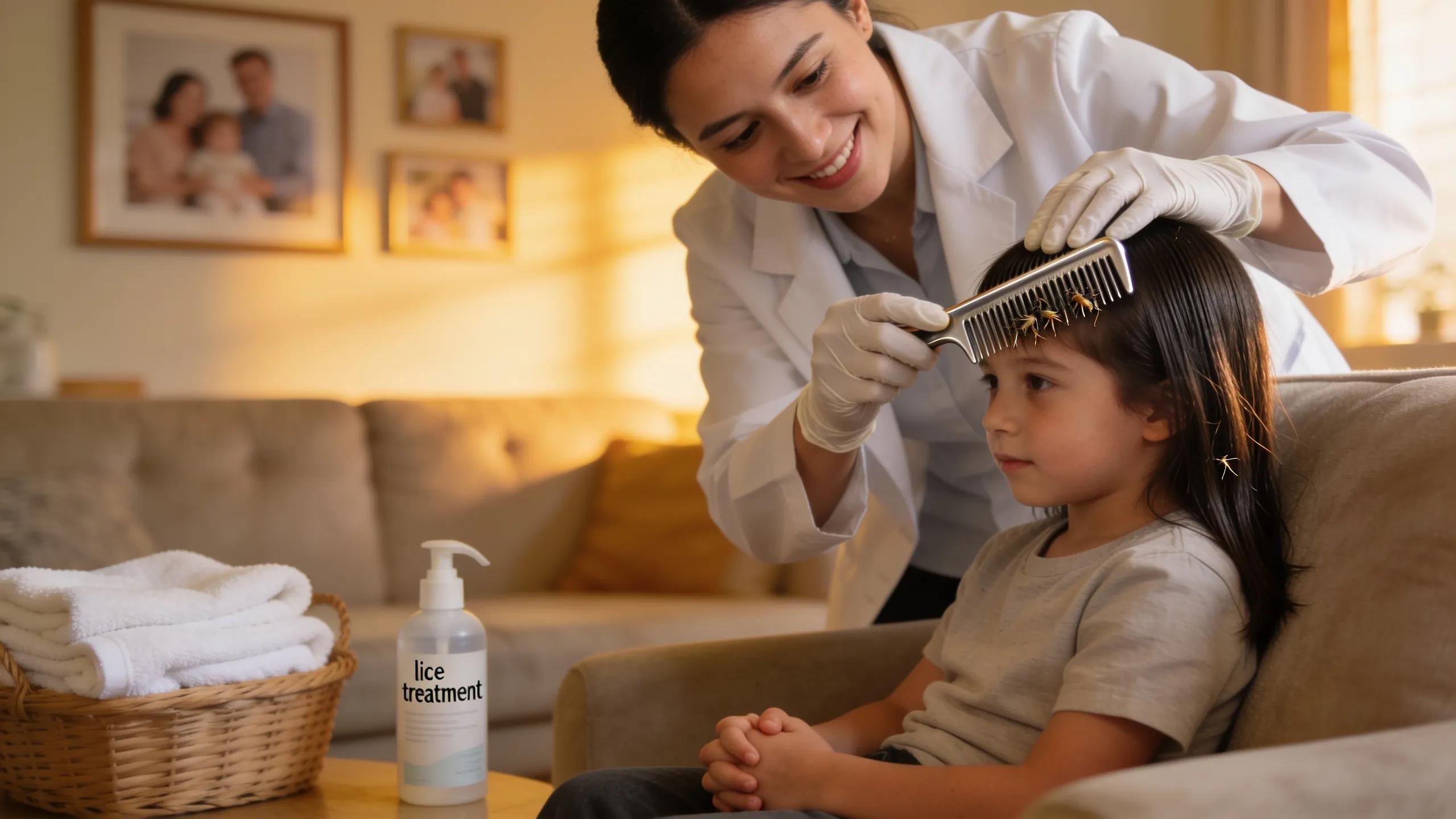
When it comes to lice treatment, professional methods are often more effective than home remedies like hair dye. Professional lice removal services utilize specialized techniques and products designed to eliminate both lice and nits, ensuring a thorough treatment process.
What Are Certified, Non-Toxic Lice Treatments Offered by Experts?
Certified, non-toxic lice treatments are available through professional services. These treatments are safe for children and are designed to effectively eliminate lice and nits without the harsh chemicals found in many over-the-counter products. Professionals can provide tailored solutions based on the severity of the infestation.
How Does Lice Happens Provide Safe and Effective In-Home Removal?
Lice Happens offers safe and effective in-home lice removal services, emphasizing convenience and trust. Founded by a registered nurse, the company specializes in non-toxic treatments and has treated many families since its inception in 2015. Their same-day appointments ensure rapid response to lice infestations, making them a reliable choice for families in need.
Chemical Treatments for Lice: Comparing Hair Dye and Approved Solutions
While hair dye may seem like a quick fix for lice, it is essential to compare its effectiveness with approved chemical treatments. FDA-approved lice treatments are specifically formulated to target lice and nits, providing a more reliable solution.
Which Chemicals Are Proven to Kill Lice Safely?
Chemicals such as dimethicone and permethrin are proven to be effective against lice. Dimethicone works by suffocating lice, while permethrin disrupts their nervous system. These treatments are designed to be safe for use on the scalp and are more effective than hair dye.
However, it is important to note that the efficacy of some traditional treatments like permethrin has declined over time, highlighting the need for up-to-date and effective solutions.
Head Lice Treatment Challenges: Declining Efficacy of Permethrin Conflicting information about the proper treatment of head lice has given rise to uncertainty among patients and treating personnel. For example, the reported efficacy of permethrin fell from 97% in the 1990s to 30% in 2010.Head lice: Epidemiology, biology, diagnosis, and treatment, 2016
Risks of Using Hair Dye as a Lice Treatment
Using hair dye as a lice treatment carries several risks. Aside from its ineffectiveness against nits, hair dye can cause scalp irritation and allergic reactions. The potential for adverse effects, combined with its inability to eliminate lice completely, makes hair dye a poor choice for lice treatment.
Frequently Asked Questions About Hair Color and Lice Removal
Many questions arise regarding the use of hair dye for lice removal. Understanding these common inquiries can help clarify the misconceptions surrounding this treatment method.
Can Hair Dye Prevent Lice Infestation?
Hair dye does not prevent lice infestations. Effective prevention strategies include regular checks for lice and nits, as well as educating children about avoiding head-to-head contact, which is the primary way lice spread.
What Are Safe Alternatives to Hair Dye for Lice Treatment?
Safe alternatives to hair dye for lice treatment include professional lice removal services and FDA-approved treatments. Natural repellents can also help prevent lice infestations, providing a comprehensive approach to lice management.

Facebook
LinkedIn
Instagram
TikTok