Over-the-Counter Lice Products Failing Georgia Families
Why OTC Lice Treatments Are Not Enough - Atlanta Lice Experts Explain the Data
Lice Happens Atlanta, a dedicated lice treatment clinic serving families across the greater Atlanta metropolitan area, is bringing focused attention to a measurable rise in head lice cases documented in Georgia schools throughout 2026. The clinic, which has spent more than a decade establishing itself as a trusted name in head lice prevention Atlanta families turn to, says the emerging data presents a pattern that parents, school health professionals, and pediatricians should take seriously.
Georgia school lice data gathered from district health reports and school nurse records across the state shows that the 2025-2026 academic year has produced a clear spike in confirmed lice infestations relative to previous years. Multiple metro Atlanta school districts reported above-average case counts per classroom during the first and third quarters of the school year, periods that historically see higher lice activity following summer camps, holiday gatherings, and extracurricular events where children engage in close physical contact. Statewide figures indicate that lice-related referrals to school health offices climbed by an estimated 20 to 25 percent compared to the same reporting windows two years earlier.

Specialists at Lice Happens Atlanta acknowledge that while head lice do not constitute a public health emergency, the emotional strain placed on families and the disruption caused to school schedules carry real consequences. Children identified with active infestations are routinely sent home, losing valuable instructional time. Parents are then left to navigate an overwhelming selection of over-the-counter products, many of which rely on chemical pesticides such as permethrin or pyrethrin. A growing body of research indicates that lice populations across the United States, including those found in Georgia, have developed measurable resistance to these compounds, significantly reducing their effectiveness compared to prior decades.
The Atlanta lice experts at Lice Happens Atlanta stress that this resistance problem is a core reason why outbreaks continue and, in some cases, spread further before being brought under control. When a treatment fails to fully clear an infestation, the child returns to school still carrying live lice or viable eggs, sustaining the cycle of transmission. School-based records from campuses in Fulton County and DeKalb County reflect this pattern, with repeat cases emerging within weeks of an initial confirmed report.
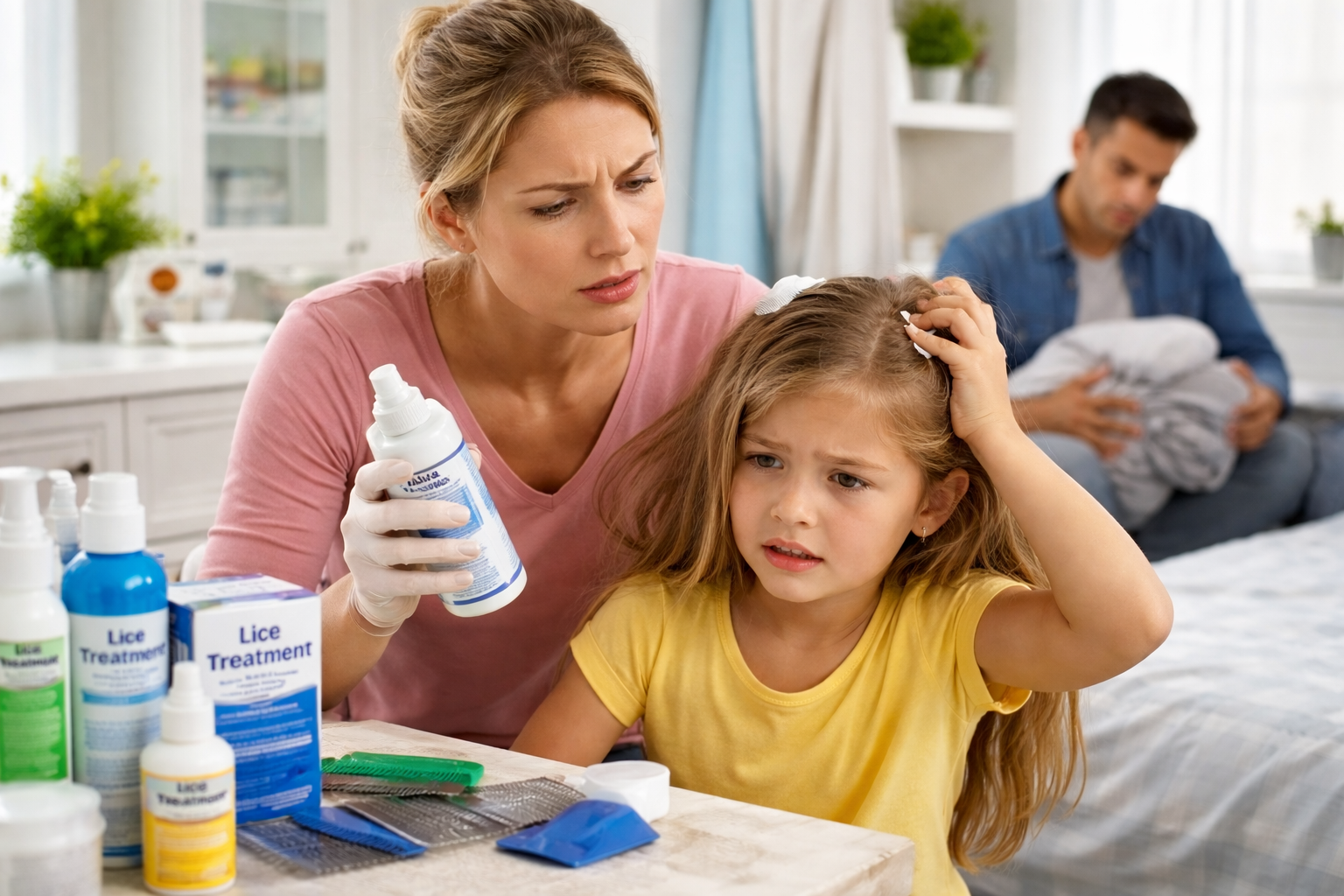
Lice Happens Atlanta has built its practice around evidence-based, chemical-free lice treatment in direct response to this environment. The clinic employs a method centered on manual removal techniques combined with tools and conditioners that work through mechanical action rather than pesticide exposure. This approach eliminates the concerns tied to repeated chemical application on young children, making it especially relevant for families whose children have sensitive skin, neurological conditions, or other health factors that make pesticide-based treatments a poor choice.
Practitioners at the clinic are clear that chemical-free treatment is not simply a lifestyle preference. It represents an increasingly supported clinical recommendation when addressing lice strains that have shown resistance to standard active ingredients. Independent research published in peer-reviewed dermatology and pediatric journals has documented the spread of what scientists refer to as "super lice," genetically adapted lice populations carrying a mutation known as the knockdown resistance mutation, or kdr. Studies tracking this mutation have found it present in lice populations across more than 40 states, with Southern states, Georgia among them, registering high prevalence rates.
The head lice prevention Atlanta communities need extends well beyond reactive treatment after an infestation is discovered. Lice Happens Atlanta promotes a proactive approach that incorporates education at both the school and household level. Prevention strategies recommended by the clinic include avoiding head-to-head contact during group activities, refraining from sharing combs, brushes, hats, helmets, or hair accessories, keeping long hair tied back or braided during the school day, and performing routine visual checks of children's hair, particularly at the nape of the neck and behind the ears, where lice eggs known as nits are most frequently found.
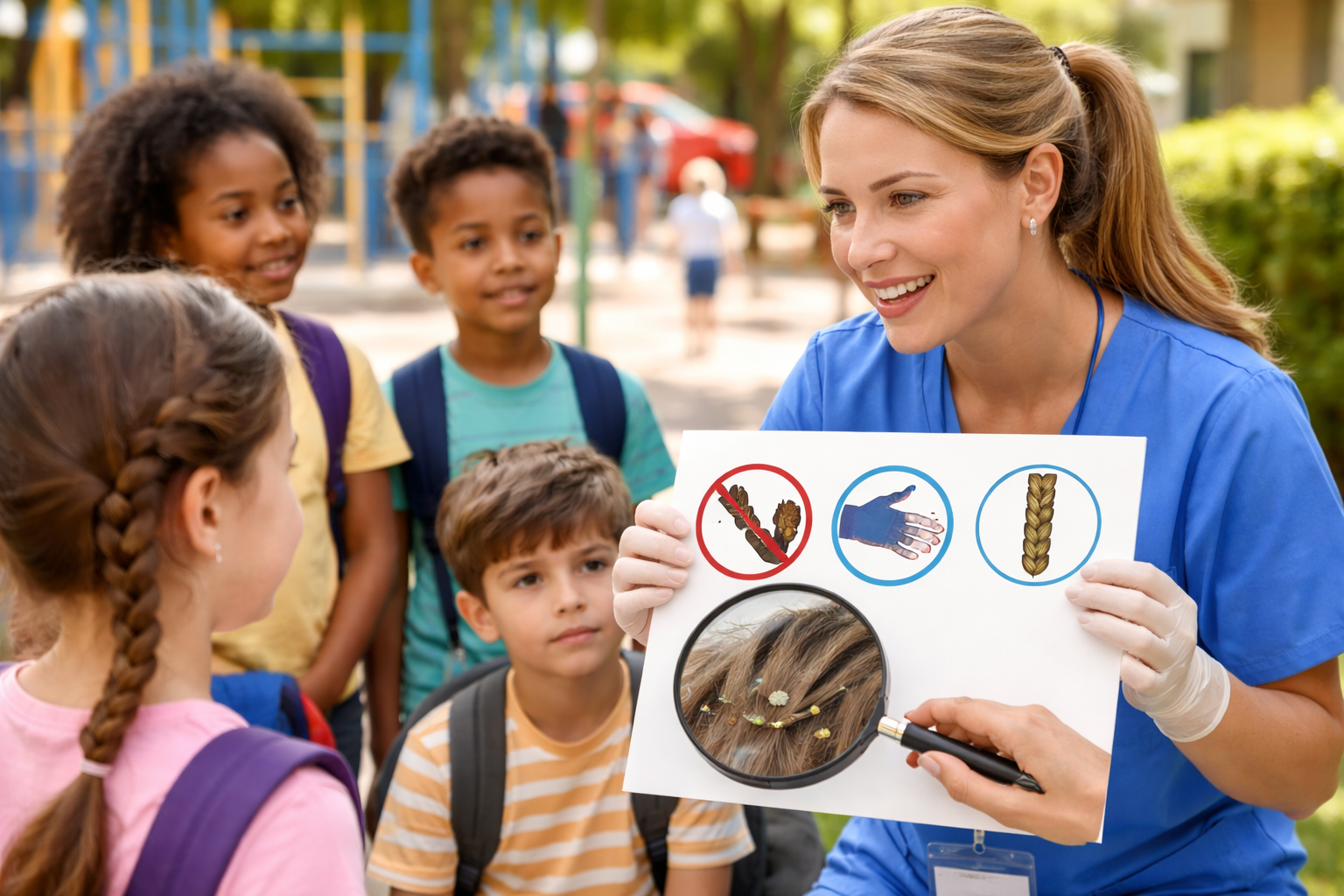
The clinic also collaborates with school administrators to provide structured guidance on managing identified cases. Rather than defaulting to broad "no-nit" policies, which the American Academy of Pediatrics has indicated are not evidence-based and contribute unnecessarily to student absences, Lice Happens Atlanta recommends a response framework built around prompt and effective treatment of confirmed cases alongside screening of immediate classmates and household contacts. This focused strategy reduces disruption while addressing the actual chain of transmission.
For healthcare professionals and school nurses, the clinic offers consultation services designed to help practices and health offices establish clear, consistent response protocols. The aim is to standardize how Atlanta-area schools handle lice cases so that the quality of information a family receives is not determined by which school their child attends or which provider they happen to contact first. Inconsistent messaging remains one of the key factors that allows outbreaks to move beyond their original point of origin.
Georgia school lice data from 2026 further highlights the value of seasonal awareness. Cases tend to cluster at predictable points throughout the year, and Lice Happens Atlanta encourages families to approach lice checks the same way they approach other routine health screenings. Checking children before the start of a new school term, after a sleepover, or following participation in a summer or sports camp creates an opportunity to catch infestations early, when they are more manageable and less likely to have already spread to others.
The clinic has consistently found that stigma remains one of the most significant obstacles to effective lice management. Many families delay reaching out for help or avoid notifying schools out of embarrassment, a hesitation that directly extends outbreaks. Lice Happens Atlanta communicates clearly and consistently that head lice carry no connection to hygiene or socioeconomic status. Lice spread through direct head-to-head contact and show no preference for clean or dirty hair. Children in all types of households and school environments carry equal susceptibility. Reducing stigma makes it easier for families to act quickly and openly, which protects the broader school community.
Parents who believe their child may have lice are encouraged to seek a professional screening rather than relying on self-diagnosis. Lice and nits are commonly mistaken for dandruff, hair product residue, or other debris. A trained technician can confirm an active infestation with precision and identify whether the case involves live lice, viable nits, or remnants of a prior infestation that has already resolved. That distinction matters because it directly determines whether treatment is needed and what form it should take.
As one of the most experienced Atlanta lice experts working in the region, Lice Happens Atlanta sees both the clinical realities and the community-level dimensions of lice management on a regular basis. The 2026 data aligns with what practitioners at the clinic have observed directly. Case volume is up. More families are arriving after already attempting over-the-counter treatments that produced no results. And more schools are seeking guidance on how to manage recurring outbreaks that have not responded to standard protocols.
The clinic's approach to this landscape is to continue delivering services grounded in what the evidence actually supports, to provide families and schools with accurate and accessible information, and to close the gap that exists between what is commercially marketed for lice treatment and what genuinely works. The chemical-free model practiced at Lice Happens Atlanta is not a new development, but it is one gaining broader recognition among pediatric health professionals as resistance data continues to grow and families actively seek alternatives to repeated pesticide use.
The wider implication of the 2026 Georgia school lice data is that communities investing in education and access to professional, effective treatment will experience shorter and less extensive outbreaks. Head lice prevention in Atlanta cannot be resolved through awareness alone. It requires accessible, expert-led treatment options supported by consistent communication between clinics, schools, and families. Lice Happens Atlanta continues to serve that purpose for the communities it supports across the Atlanta metropolitan area and throughout the state of Georgia.

Facebook
LinkedIn
Instagram
TikTok